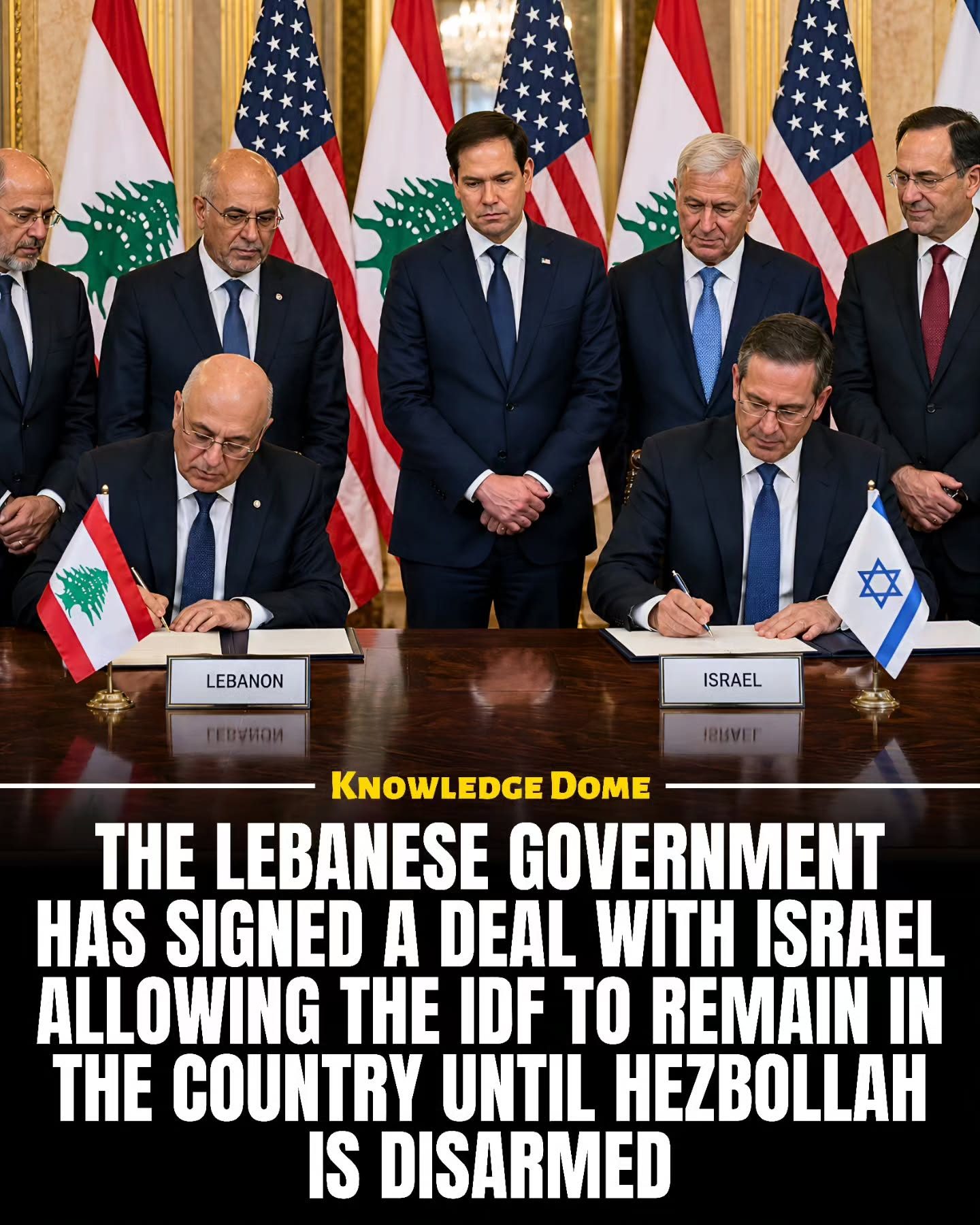
Historic U.S.-Brokered Agreement Between Lebanon and Israel
On Friday, June 26, 2026, Lebanon and Israel marked a significant milestone in their long-standing conflict with the signing of a historic U.S.-brokered agreement in Washington. This deal, which has garnered substantial attention, outlines specific conditions under which the Israeli Defense Forces (IDF) will maintain their presence in southern Lebanon. The agreement also includes provisions for a gradual transfer of control to the Lebanese Armed Forces, with U.S. supervision.
Context / Why This Matters
The conflict between Israel and Lebanon, which has persisted since 1948, has been a complex web of political and military tensions. The recent agreement is seen as a potential first step toward ending this long-standing state of war. The deal not only addresses immediate security concerns but also lays the groundwork for broader diplomatic efforts in the region.
Main Discussion
Key Provisions of the Agreement
The agreement is centered around several critical points:
-
IDF Presence in Southern Lebanon: The IDF will remain in most of the southern buffer zone until Hezbollah, a prominent Lebanese militia, gives up all of its weapons. This condition is a key component of the deal, as it directly addresses the military threat posed by Hezbollah.
-
Operational Freedom: Until Hezbollah is disarmed, the IDF will retain operational freedom in the area, which means they will continue to enforce security measures and maintain control over key zones.
-
Transitional Control: The plan includes a phased approach to gradually move control of some zones to the Lebanese Armed Forces. This transition will be overseen by the United States to ensure compliance and stability.
Humanitarian and Financial Support
As part of the agreement, the United States has committed to providing substantial financial aid to Lebanon. This includes:
- $100 million in Humanitarian Aid: This fund is intended to support Lebanon's immediate needs and alleviate some of the humanitarian challenges faced by the country.
- $30 million Contingent Aid: An additional $30 million will be provided, but this is contingent on the Lebanese military meeting specific security goals on the ground. This conditional aid aims to incentivize the Lebanese Armed Forces to take a more active role in securing their territory.
Strategic Implications
Supporters of the pact argue that it could significantly reduce fighting in the region. By pressuring Hezbollah to disarm, the agreement aims to weaken a major source of conflict. However, the deal also places immense pressure on Lebanon’s leaders to address Hezbollah’s presence, which has been a contentious issue both domestically and internationally.
Domestic Reactions
The reaction inside Lebanon has been intense and varied. Hezbollah, which was not part of the negotiations, has strongly rejected the deal. Naim Kassem, a senior Hezbollah leader, described the agreement as a humiliation and vowed that the group would keep its weapons. Hassan Fadlallah, another senior Hezbollah lawmaker, warned that attempts to enforce disarmament could lead to civil war.
Protests and public outcry erupted in Beirut following the announcement. Supporters of Hezbollah burned tires and blocked roads, including the main road to the airport, expressing their dissent and frustration with the agreement.
Practical Tips
For those interested in understanding the broader implications of this agreement, it is essential to stay informed about the following:
-
Monitor Regional Developments: Keep an eye on how the agreement unfolds and how it impacts the security situation in southern Lebanon. The gradual transfer of control to the Lebanese Armed Forces will be a critical phase to watch.
-
Track Hezbollah’s Response: The actions and statements of Hezbollah will be crucial in determining the success of the agreement. Their cooperation or resistance will significantly influence the peace process.
-
Assess Humanitarian Impact: The $100 million in humanitarian aid and the conditional $30 million are designed to support Lebanon’s recovery. Understanding how this aid is utilized and its effects on the ground will provide insights into the humanitarian aspect of the deal.
Important Takeaways
-
Critical Milestone: The agreement marks a significant step in the long-standing conflict between Israel and Lebanon. Its successful implementation could pave the way for broader peace efforts.
-
Complex Dynamics: The deal involves complex political and military dynamics, with the presence of the IDF and the disarmament of Hezbollah being central issues.
-
Humanitarian and Financial Support: The U.S. aid package is designed to alleviate humanitarian challenges and incentivize security measures, highlighting the interconnected nature of political and humanitarian efforts.
-
Domestic Challenges: Lebanon’s leaders face significant domestic pressure, particularly from Hezbollah, which has rejected the deal and vowed to maintain its armed presence.
-
Potential for Civil Unrest: The intense reactions within Lebanon indicate the potential for civil unrest and highlight the need for careful management of the transition process.
Conclusion
The U.S.-brokered agreement between Lebanon and Israel is a pivotal moment in the region’s history. It addresses long-standing security concerns and sets the stage for potential peace. However, the path to stability is fraught with challenges, particularly in dealing with Hezbollah’s armed presence and ensuring the successful transition of control to the Lebanese Armed Forces. As the situation evolves, staying informed about the developments and their impacts will be crucial for understanding the future of the region.
Watch the Reel
Questions readers ask
Why is the U.S. involved in the Lebanon-Israel agreement?
The U.S. played a crucial role as a neutral broker, facilitating negotiations between Lebanon and Israel. This involvement aims to ensure both countries' security concerns are addressed and to promote peace in the region. The U.S. will also supervise the gradual transfer of control to the Lebanese Armed Forces.
How will the presence of the IDF in southern Lebanon change over time?
According to the agreement, the IDF will maintain its presence in southern Lebanon initially. However, there are plans for a gradual transfer of control to the Lebanese Armed Forces, indicating that the IDF's role will diminish over time as Lebanese forces take on more responsibility.
What is the significance of the agreement being signed in Washington?
The signing of the agreement in Washington underscores the U.S.'s commitment to the deal and its role in Middle East diplomacy. It also provides a neutral ground for both Lebanon and Israel, symbolizing the importance of international involvement in resolving regional conflicts.
How does this agreement address the Israel-Lebanon conflict?
The agreement directly addresses the long-standing conflict by providing a structured plan for the IDF's presence in southern Lebanon and a roadmap for a gradual withdrawal. This approach aims to reduce tensions and create an environment conducive to diplomacy and peace in the Middle East.
What role do the Lebanese Armed Forces play in this agreement?
The Lebanese Armed Forces are set to gradually take control of southern Lebanon as the IDF presence diminishes. This transfer of control is a key aspect of the agreement, as it empowers Lebanese forces to maintain security in their own territory and reduces dependency on foreign military presence.
What does this agreement mean for Hezbollah and their relationship with the IDF?
The agreement does not explicitly mention Hezbollah, but the gradual withdrawal of the IDF and the empowerment of the Lebanese Armed Forces may impact Hezbollah's influence and operations in southern Lebanon. As Lebanese forces take control, they may face challenges in managing Hezbollah's presence and maintaining security in the region.
What are the next steps after the signing of the agreement?
Following the signing, the focus will be on implementing the agreed-upon measures, including the gradual transfer of control to the Lebanese Armed Forces and maintaining security in southern Lebanon. Both countries will work under U.S. supervision to ensure the agreement's terms are upheld and to foster a peaceful resolution to their long-standing conflict.
Recent articles
Fresh deep dives from the latest Reels we unpacked.




Comments
Be the first to comment.