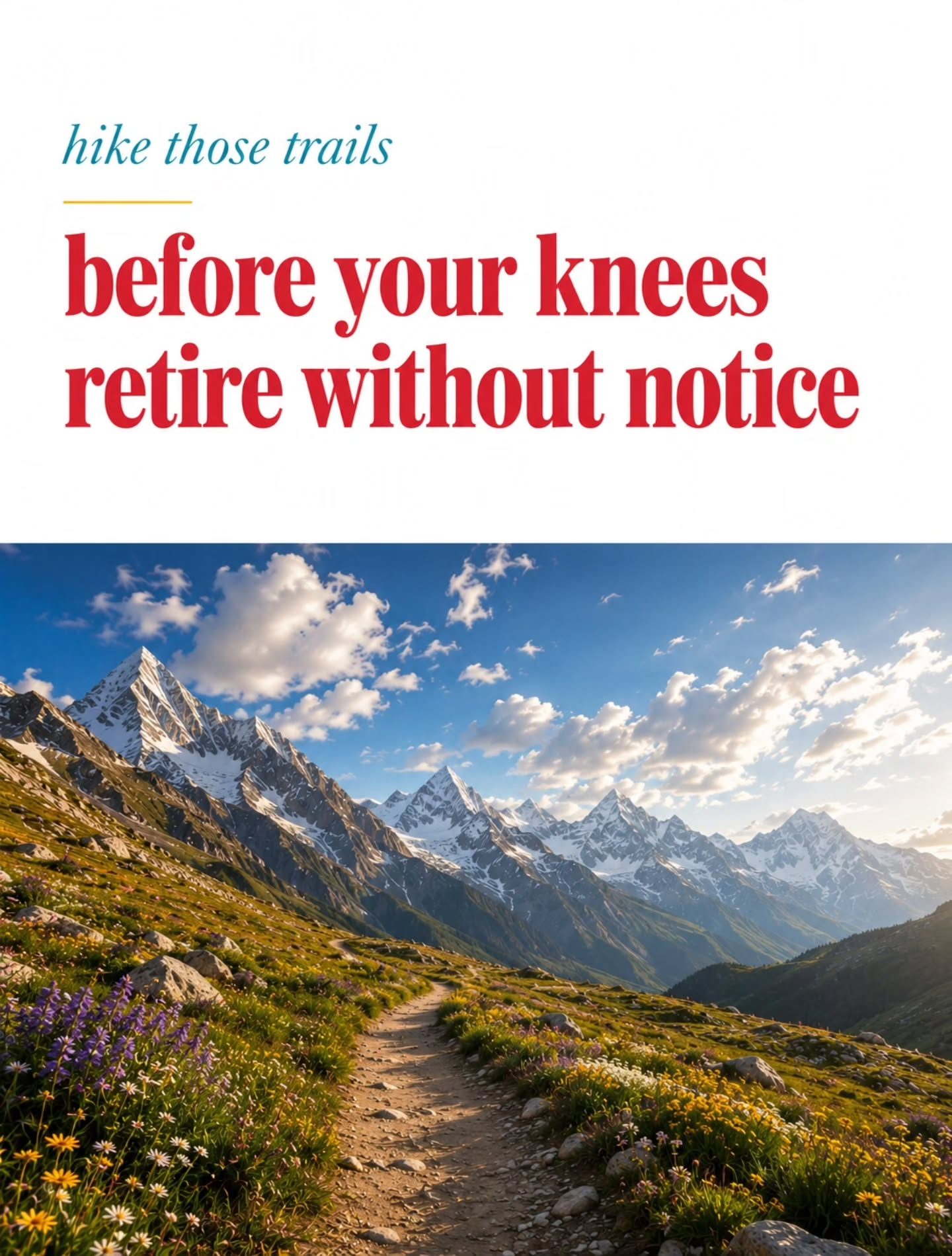
Hiking Motivation
Hiking offers more than just a chance to explore nature; it's a powerful way to maintain physical health, especially as we age. The beauty of hiking trails, combined with the adventure they promise, makes it an appealing activity for people of all ages. Let's dive deeper into the motivations and benefits of hiking.
Why This Matters
The Physical Benefits
Hiking is an excellent form of exercise that engages multiple muscle groups. It improves cardiovascular health, strengthens muscles, and enhances balance and coordination. Regular hiking can help prevent conditions like obesity, heart disease, high blood pressure, and type 2 diabetes. Furthermore, it's a low-impact activity, making it suitable for people with joint issues who might find other forms of exercise challenging.
Mental Health and Well-being
Beyond the physical benefits, hiking has a profound impact on mental health. Spending time in nature has been shown to reduce stress, anxiety, and depression. The serenity of a mountain trail can provide a much-needed break from the hustle and bustle of daily life, allowing for mental clarity and relaxation. Hiking also fosters a sense of accomplishment and self-confidence, especially when tackling more challenging trails.
Main Discussion
The Importance of Staying Active as We Age
As we age, maintaining physical activity becomes crucial. Regular exercise helps reduce the risk of age-related health issues and improves overall quality of life. Hiking is particularly beneficial as it combines aerobic exercise with strength training, making it a comprehensive workout. By incorporating hiking into your routine, you can enhance your mobility, flexibility, and endurance, all of which contribute to a more active and independent lifestyle.
The Adventure Factor
One of the most compelling reasons to take up hiking is the sense of adventure it offers. Exploring new trails, discovering hidden gems, and experiencing the beauty of nature firsthand can be incredibly fulfilling. Whether you're a seasoned hiker or a beginner, there's always a new trail to conquer and a new landscape to admire. Hiking allows you to connect with the great outdoors, making it a rewarding and exhilarating pursuit.
Encouraging Early Engagement
It's important to start hiking while you're still young and agile. The phrase "before your knees retire without notice" underscores the urgency to embrace this activity while you can. Engaging in hiking early on helps build a strong foundation of physical fitness, making it easier to maintain as you age. It's a proactive approach to health that can yield long-term benefits.
Practical Tips
Choosing the Right Trail
When starting out, choose trails that match your fitness level. Begin with shorter, less challenging hikes and gradually work your way up to more demanding routes. Always research the trail beforehand to know what to expect in terms of difficulty and terrain.
Essential Gear
Having the right gear can make a significant difference in your hiking experience. Invest in a good pair of hiking shoes or boots that provide proper support and traction. Additionally, carry essentials like a backpack with water, snacks, a map, a first-aid kit, and appropriate clothing for changing weather conditions.
Staying Safe
Safety should always be a priority when hiking. Inform someone of your plans, including your route and estimated return time. Stay on marked trails to avoid getting lost, and be aware of your surroundings, including wildlife and weather changes. Carry a whistle or other signaling device in case of emergencies.
Important Takeaways
Hiking is more than just a leisure activity; it's a powerful tool for maintaining physical health, mental well-being, and a sense of adventure. By incorporating hiking into your routine, you can reap numerous benefits, including improved cardiovascular health, stronger muscles, reduced stress, and a deeper connection with nature. The key is to start early, choose the right trails, and always prioritize safety.
Conclusion
The beauty of hiking trails, combined with the adventure they offer, makes it an ideal activity for staying active and healthy. Whether you're motivated by the physical benefits, the mental well-being, or the sheer joy of exploring nature, hiking is a rewarding pursuit. So, lace up your boots, hit the trails, and embrace the adventure before your knees retire without notice.
Watch the Reel
Questions readers ask
What are the key physical benefits of hiking regularly?
Regular hiking improves cardiovascular health, strengthens muscles, and enhances balance and coordination. It can help prevent conditions like obesity, heart disease, high blood pressure, and type 2 diabetes. Additionally, as a low-impact exercise, it's gentle on the joints, making it suitable for those with joint issues.
How does hiking contribute to better mental well-being?
Hiking offers a unique combination of physical activity and immersion in nature, which can reduce stress, anxiety, and symptoms of depression. The scenic trails and sense of adventure provide a mental break from daily routines, promoting relaxation and mental clarity.
Why should I start hiking before the age of 50?
Starting to hike before 50 can help establish a lifelong habit that promotes longevity and overall health. It's easier to build strength and endurance at a younger age, and early adoption of hiking can help prevent or manage age-related health conditions more effectively.
Is hiking beneficial for those with knee issues?
Yes, hiking can be beneficial for those with knee issues due to its low-impact nature. It helps strengthen the muscles around the knees, improving overall stability and reducing the risk of further injury. However, it's important to choose trails that match your fitness level and consult with a healthcare provider if needed.
What are some tips for beginners interested in starting to hike?
Begin with shorter, less strenuous trails to build your fitness and confidence. Invest in a good pair of hiking shoes, wear appropriate clothing, and bring plenty of water and snacks. Consider hiking with a friend or joining a group to make the experience more enjoyable and safe.
How can hiking help manage health conditions like heart disease and diabetes?
Hiking's cardiovascular benefits can help manage heart disease by improving heart function and reducing blood pressure. For those with type 2 diabetes, hiking can aid in blood sugar regulation, improve insulin sensitivity, and promote weight loss, all of which contribute to better management of the condition.
What makes hiking a good form of exercise for older adults?
Hiking is particularly beneficial for older adults as it improves muscle strength and balance, which can help prevent falls and injuries. Its low-impact nature makes it accessible for those with joint pain or mobility issues, and the varied terrain can challenge the body in different ways, enhancing overall fitness.
Recent articles
Fresh deep dives from the latest Reels we unpacked.




Comments
Be the first to comment.