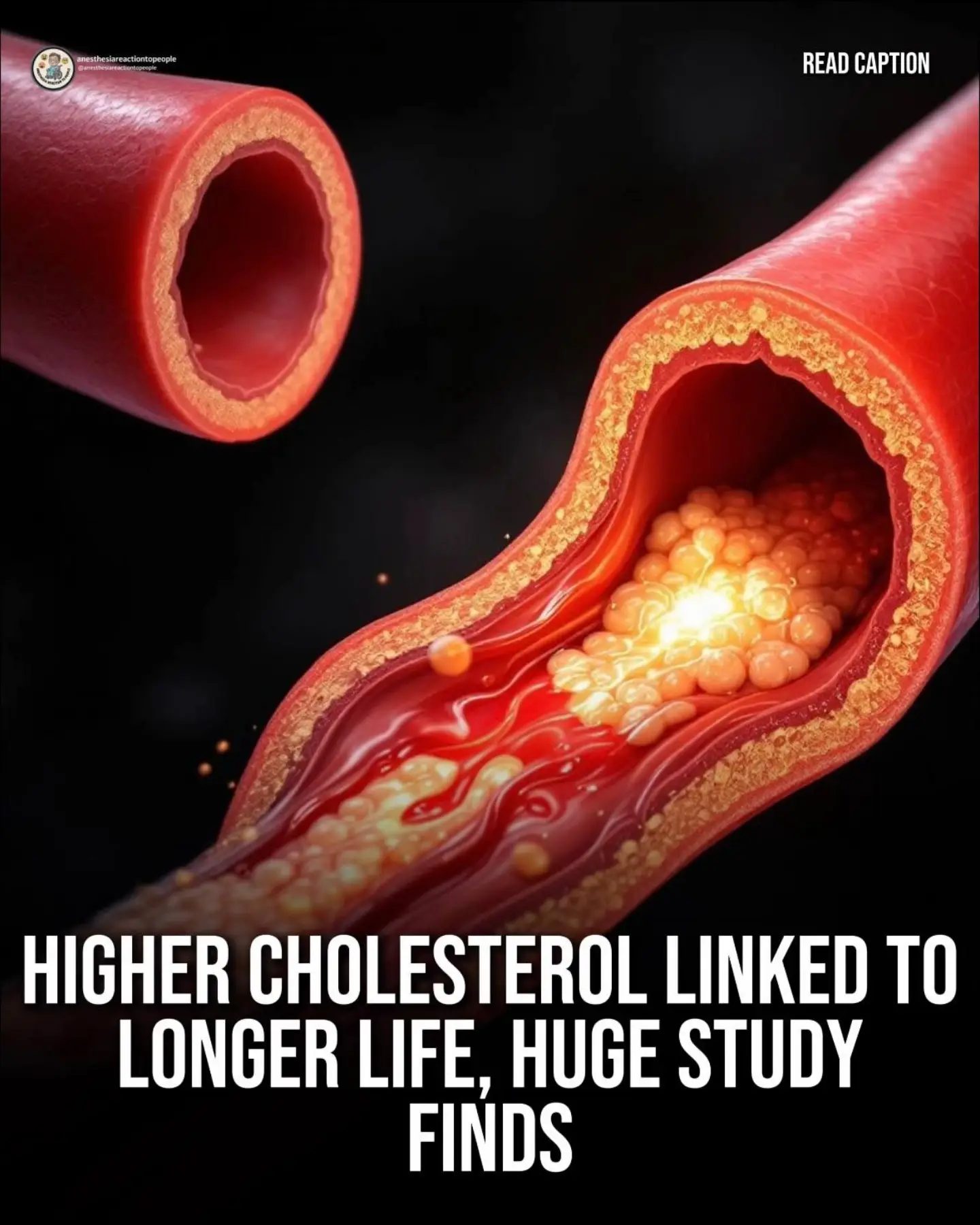
New Findings Surrounding Cholesterol and Longevity in Older Adults
New research indicates a surprising association between cholesterol levels and lifespans in older adults. The findings reveal that older individuals with moderately elevated LDL (low-density lipoprotein) cholesterol levels often outlive those with lower levels. This discovery challenges long-held beliefs about the relationship between cholesterol and health, suggesting that LDL cholesterol might serve as a crucial biological reserve in the elderly.
For decades, medical professionals have regarded high cholesterol as a significant risk factor for heart disease and other health issues. However, recent studies suggest a more nuanced understanding of cholesterol's role, particularly in the aging population. This new perspective could lead to more personalized approaches to managing cholesterol levels, especially in older adults.
Context: Cholesterol and Aging
The traditional view of cholesterol has long focused on its potential to cause plaque buildup in arteries, leading to cardiovascular diseases. High levels of LDL cholesterol, often labeled as "bad" cholesterol, have been associated with increased risks of heart attacks and strokes. However, the new data challenges this simplistic view, indicating that moderately elevated LDL levels might have beneficial effects in older adults.
Longevity benefits are not the only surprising finding. LDL cholesterol has been observed to support immune function, hormone production, and cellular repair in the elderly. This suggests that LDL cholesterol might play a crucial role in maintaining overall health and well-being in older individuals.
Understanding the Study
The study highlights a shift in the understanding of cholesterol's role, particularly in the context of aging. The research indicates that older adults with moderately elevated LDL levels frequently outlive those with lower levels. This finding underscores the potential benefits of maintaining higher cholesterol levels in later life, as long as they are not excessively high.
Plaque Buildup and Atherosclerosis
Atherosclerosis, the buildup of plaque in the arteries, has long been a central concern in the discussion about cholesterol. The new data suggests that while plaque buildup is still a risk, the benefits of higher cholesterol levels in older adults might outweigh the risks in certain cases. The interplay between plaque buildup and cholesterol levels is complex, and this study adds a new layer to the understanding of how these factors interact.
Immune Function and Cellular Repair
One of the key findings is the role of LDL cholesterol in supporting immune function, hormone production, and cellular repair. This suggests that LDL cholesterol might act as a vital biological reserve in the elderly, helping to maintain overall health and longevity. The immune system, in particular, benefits from adequate cholesterol levels, which can enhance its ability to fight off infections and diseases.
Hormone Production
Cholesterol is a precursor to various hormones, including sex hormones and cortisol. In older adults, maintaining appropriate cholesterol levels can support hormone production, which is essential for overall health and well-being. This finding underscores the importance of considering the broader implications of cholesterol management in older populations.
Practical Tips for Managing Cholesterol in Older Adults
While the new findings suggest a more nuanced view of cholesterol, it is essential to approach cholesterol management with caution. Here are some practical tips for older adults:
Regular Check-ups
Regular medical check-ups and monitoring of cholesterol levels are crucial, especially for older adults. While the new data suggests that moderately elevated LDL levels might be beneficial, it is essential to ensure that cholesterol levels do not become excessively high, which could increase the risk of cardiovascular diseases.
Balanced Diet
A balanced diet remains a cornerstone of healthy living, including cholesterol management. Incorporating foods rich in healthy fats, such as omega-3 fatty acids, can help maintain optimal cholesterol levels. Foods like fish, nuts, and seeds are excellent sources of healthy fats and can support overall health.
Regular Exercise
Regular physical activity is another key component of managing cholesterol levels. Exercise can help lower LDL cholesterol levels and increase HDL (high-density lipoprotein) cholesterol, often referred to as "good" cholesterol. Engaging in regular exercise can also improve overall cardiovascular health and reduce the risk of heart disease.
Personalized Medicine
The shift toward personalized medicine means that cholesterol management should be tailored to individual needs. This approach considers factors such as age, overall health, and lifestyle when determining the best course of action. For older adults, this might mean focusing on maintaining moderately elevated LDL levels rather than aggressively lowering cholesterol.
Supplementation
In some cases, supplementation with specific nutrients can help manage cholesterol levels. For example, taking omega-3 fatty acid supplements or using plant sterols and stanols can lower LDL cholesterol levels. However, it is essential to consult with a healthcare provider before starting any new supplement regimen.
Important Takeaways
The new data on cholesterol and longevity in older adults offers several important takeaways:
-
Moderately Elevated LDL Levels May Be Beneficial: For older adults, moderately elevated LDL cholesterol levels might be beneficial, supporting immune function, hormone production, and cellular repair.
-
Personalized Approaches: The findings signal a shift toward personalized medicine, where aggressive cholesterol-lowering in aging populations may do more harm than good. Tailoring cholesterol management to individual needs is crucial.
-
Balanced Lifestyle: Maintaining a balanced diet, engaging in regular exercise, and undergoing regular medical check-ups can support healthy cholesterol levels and overall well-being.
-
Caution and Monitoring: While the new data is promising, it is essential to monitor cholesterol levels carefully and consult with healthcare providers to ensure optimal health.
Conclusion
The new data on cholesterol and longevity in older adults offers a fresh perspective on the role of cholesterol in health and aging. The findings challenge traditional views and suggest that moderately elevated LDL levels might be beneficial for older adults. This shift toward personalized medicine emphasizes the importance of tailored approaches to cholesterol management, considering individual needs and overall health.
As more research emerges, our understanding of cholesterol and its role in health continues to evolve. For older adults, maintaining a balanced lifestyle and following personalized recommendations can support overall health and longevity.
Watch the Reel
Questions readers ask
Why might moderately elevated LDL cholesterol levels be beneficial for seniors?
Moderately elevated LDL cholesterol levels in seniors might be beneficial because LDL cholesterol serves as a crucial biological reserve, aiding in overall health and immune function. This can help seniors fight off infections and maintain better health, which is essential for longevity.
Does high LDL cholesterol always indicate poor health in older adults?
Not always. Recent findings suggest that moderately elevated LDL cholesterol levels in older adults may be linked to increased longevity. This contradicts the traditional view that high LDL cholesterol is universally harmful, indicating a more complex relationship between cholesterol and aging.
What does new research reveal about LDL cholesterol and lifespan in older adults?
New research shows that older adults with moderately elevated LDL cholesterol levels tend to have longer lifespans. This challenges the long-held belief that high LDL cholesterol is always detrimental and suggests that LDL might play a positive role in the health of the elderly.
How does LDL cholesterol impact the immune function in seniors?
LDL cholesterol can support immune function in seniors by acting as a biological reserve. This means that having moderately elevated LDL levels might help seniors maintain a stronger immune response, which is vital for overall health and longevity.
Why is the relationship between cholesterol and aging more complex than previously thought?
The relationship between cholesterol and aging is more complex due to recent findings suggesting that moderately elevated LDL cholesterol levels can be beneficial for seniors. This challenges the simplistic view that high cholesterol is always a risk factor, indicating that cholesterol's role in the body may be more nuanced and age-dependent.
Are there specific LDL cholesterol levels that are beneficial for seniors?
While the research points to moderately elevated LDL cholesterol levels being beneficial, specific target levels have not been clearly defined. It is always best for seniors to consult with their healthcare providers to understand their individual health needs and cholesterol levels.
How should seniors interpret their cholesterol test results in light of these new findings?
Seniors should discuss their cholesterol test results with their healthcare providers, considering these new findings. It is important to understand that moderately elevated LDL levels might not be as concerning as previously thought and could potentially be beneficial. However, individual health contexts vary, so personalized medical advice is crucial.
Recent articles
Fresh deep dives from the latest Reels we unpacked.




Comments
Be the first to comment.