Instant Ramen: Sodium Content and Health Implications
Instant ramen is a popular, convenient meal option for many people. It’s quick to prepare and readily available, making it a go-to choice for busy individuals. However, there is a significant health consideration to keep in mind: the high sodium content in instant ramen.
Context: Instant Ramen and Sodium
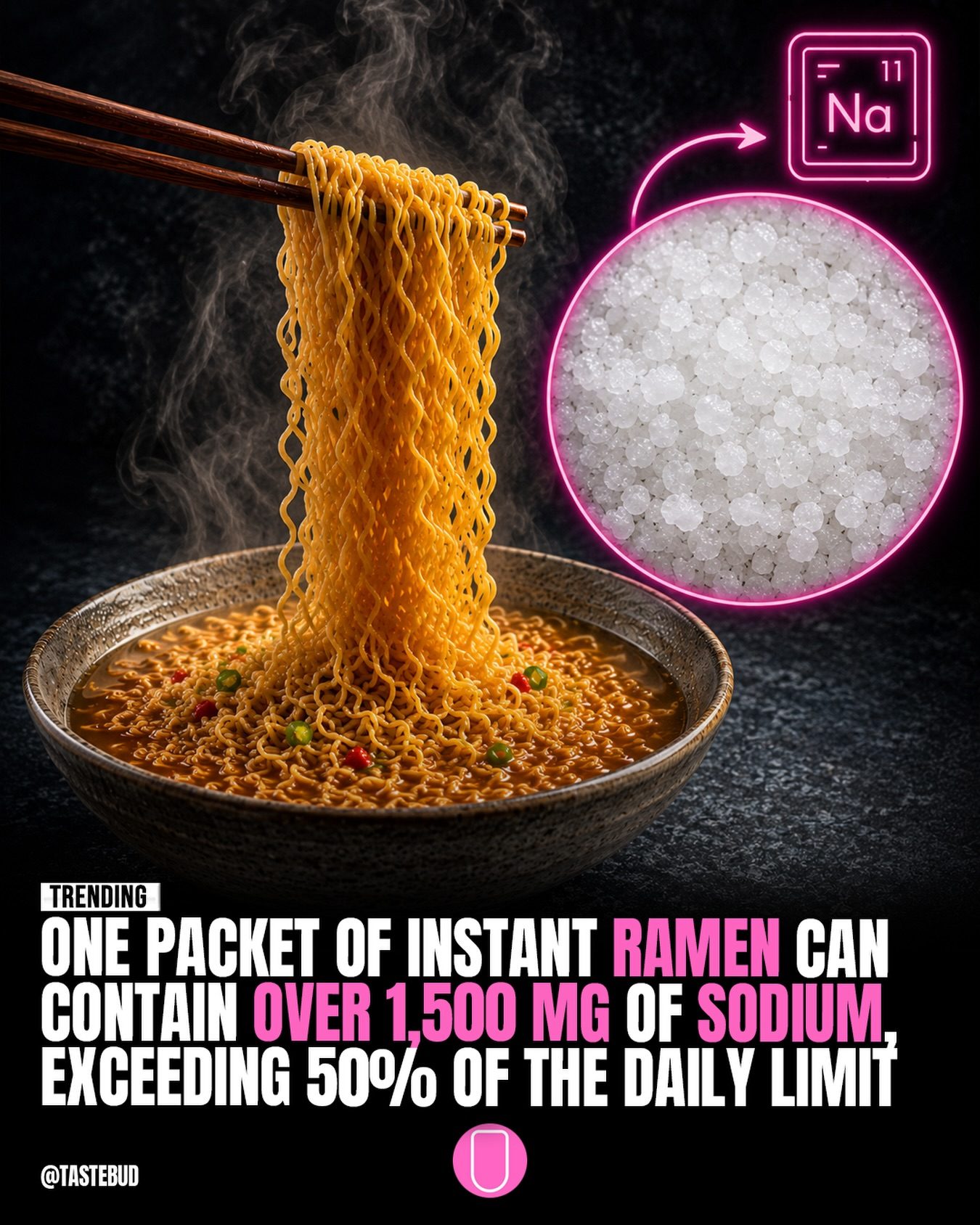
Instant ramen typically contains a high amount of sodium. A single packet of instant ramen can contain over 1,500 mg of sodium. To put this into perspective, the recommended daily sodium intake for adults is around 2,300 mg. This means that one packet of instant ramen can exceed 50% of the daily sodium limit. Regularly consuming high-sodium foods has been linked to an increased risk of high blood pressure, which can lead to more serious health issues, such as heart disease and stroke.
Understanding Sodium in Our Diet
Sodium is an essential mineral for the body, playing a crucial role in regulating fluid balance, nerve signaling, and muscle function. However, the body only needs a modest amount of sodium to function properly. The American Heart Association recommends no more than 2,300 mg of sodium per day, and an ideal limit of no more than 1,500 mg per day for most adults, especially those with hypertension.
When sodium intake exceeds these levels, the body retains excess water, which can increase blood volume and, consequently, blood pressure. This increase in blood pressure puts additional strain on the heart and blood vessels, potentially leading to cardiovascular diseases.
Sodium Content in Instant Ramen
The high sodium content in instant ramen is primarily due to the seasoning packets and preservatives used in the manufacturing process. These additives not only enhance the flavor but also help extend the shelf life of the product. However, the convenience of instant ramen comes at the cost of excessive sodium intake.
Brand Comparison
While specific brand names are not mentioned, it’s worth noting that the sodium content can vary among different brands of instant ramen. Some brands may offer lower-sodium options, while others might have higher sodium levels. It’s essential to check the nutrition label before purchasing to make an informed decision.
Sodium and Health Risks
Regularly consuming high-sodium foods, such as instant ramen, can lead to several health risks. Here are some of the key concerns:
- High Blood Pressure (Hypertension): Excessive sodium intake can lead to high blood pressure, which is a significant risk factor for heart disease and stroke.
- Heart Disease: High blood pressure and excessive sodium intake can increase the risk of heart disease, hardening of the arteries, and heart failure.
- Kidney Disease: Excessive sodium intake can also strain the kidneys, potentially leading to kidney disease.
- Osteoporosis: High sodium intake can cause the body to excrete more calcium, which can lead to bone loss and an increased risk of osteoporosis.
Practical Tips for Managing Sodium Intake
If you enjoy instant ramen but are concerned about the sodium content, here are some practical tips to help you manage your sodium intake:
Choose Lower-Sodium Options
Look for instant ramen brands that offer lower-sodium varieties. Comparing nutrition labels can help you find options with significantly less sodium.
Dilute the Seasoning
One way to reduce the sodium content is to use only half of the seasoning packet provided with the instant ramen. Alternatively, you can rinse the noodles under hot water to remove some of the sodium.
Add Fresh Ingredients
Boost the nutritional value of your instant ramen by adding fresh vegetables, lean proteins, and herbs. This not only enhances the flavor but also reduces the overall sodium concentration.
Portion Control
Pay attention to portion sizes. Eating a smaller serving of instant ramen can help you stay within your daily sodium limits.
Important Takeaways
Instant ramen is a convenient and quick meal option, but it’s crucial to be aware of the high sodium content. Here are the key points to remember:
- One packet of instant ramen can exceed 50% of the recommended daily sodium intake.
- Regularly consuming high-sodium foods can increase the risk of high blood pressure, heart disease, and other health issues.
- Look for lower-sodium options, dilute the seasoning, add fresh ingredients, and practice portion control to manage your sodium intake.
Conclusion
While instant ramen offers convenience and quick preparation, it’s essential to be mindful of the high sodium content. Understanding the implications of excessive sodium intake and implementing practical tips can help you enjoy instant ramen as part of a balanced diet. Always check nutrition labels and choose healthier options when possible to maintain a healthy lifestyle.
Watch the Reel
Questions readers ask
How much sodium is typically found in a single serving of instant ramen?
A single serving of instant ramen can contain over 1,500 mg of sodium. This is more than 50% of the daily recommended limit for adults, which is around 2,300 mg.
What are the health risks associated with regularly consuming high-sodium foods like instant ramen?
Regularly consuming high-sodium foods like instant ramen can lead to an increased risk of high blood pressure, which can cause serious health issues. Additionally, it can contribute to a variety of cardiovascular problems and other health complications.
What is the recommended daily sodium intake for adults?
The recommended daily sodium intake for adults is approximately 2,300 mg. It's important to note that this is a general guideline and individual needs may vary based on factors such as age, health conditions, and activity levels.
Are there any low-sodium alternatives to instant ramen?
Yes, there are low-sodium alternatives available. Some brands offer low-sodium versions of instant ramen, and you can also consider making your own ramen at home with fresh ingredients to control the sodium content.
How can I check the sodium content in instant ramen before purchasing?
To check the sodium content in instant ramen, you can look at the nutrition facts label on the packaging. This label will provide detailed information about the sodium content per serving, as well as other nutritional information.
Can reducing instant ramen consumption help lower blood pressure?
Yes, reducing the consumption of high-sodium foods like instant ramen can help lower blood pressure. By lowering your sodium intake, you can help maintain a healthy blood pressure level and reduce the risk of related health issues.
What are some ways to reduce the sodium in instant ramen?
To reduce the sodium in instant ramen, you can try rinsing the noodles and seasoning packet under hot water before consuming. Additionally, you can add low-sodium broth or water to dilute the sodium content, and supplement with fresh vegetables or lean proteins.
Related deep dives
Similar reads based on topic and creator.




Recent articles
Fresh deep dives from the latest Reels we unpacked.




Comments
Be the first to comment.