Concrete Reinforcement: Strengthening Structures with Rebar
Concrete reinforcement is a critical process in modern construction, especially for high-rise buildings and other heavy-duty structures. It involves the strategic placement of steel bars, known as rebar, within concrete to enhance its tensile strength and overall durability. Let's dive into the details of this essential technique.
Why Reinforced Concrete Matters
Concrete is an excellent building material due to its compressive strength, but it lacks tensile strength. This means that while it can withstand heavy compressive loads, it can crack or break under tension. Reinforcement with rebar addresses this limitation, making concrete suitable for a wide range of structural applications.
Structural Integrity
The primary aim of reinforcing concrete with rebar is to enhance its structural integrity. Rebar provides the necessary tensile strength that concrete lacks, allowing the material to better withstand forces that would otherwise cause it to crack or fail. This is particularly important in high-rise buildings, bridges, and other structures that must endure significant loads and environmental stresses.
The Reinforcement Process
The process of reinforcing concrete involves several key steps, each crucial for ensuring the final structure's strength and durability.
Placing the Rebar
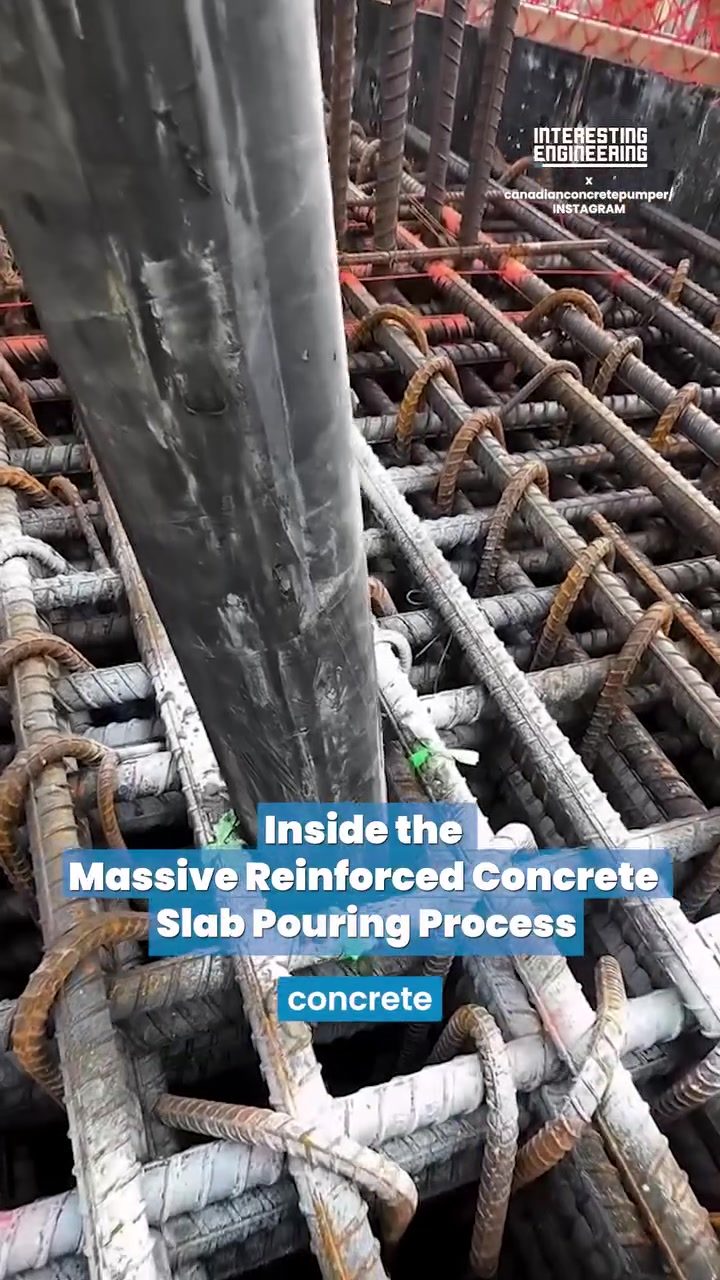
The first step in reinforcing concrete is the strategic placement of rebar within the formwork. The rebar network is designed to withstand enormous structural loads, especially in high-rise buildings and other heavy-duty structures. The rebar is tightly spaced to ensure that every part of the concrete slab benefits from its reinforcing properties.
Pouring the Concrete
Once the rebar is in place, fresh concrete is pumped through a boom hose directly into the densely reinforced structural slab. This process ensures that the concrete flows around multiple layers of steel reinforcement, filling every void and creating a solid, monolithic structure.
Ensuring Complete Filling
Careful placement and vibration of the concrete are essential to ensure that it completely fills every void around the rebar. This step is critical for creating a strong, durable, and monolithic reinforced concrete slab. Vibration helps to remove any air pockets, ensuring that the concrete adheres tightly to the rebar and forms a uniform, solid mass.
The Role of Rebar in Reinforced Concrete
Rebar plays a pivotal role in the strength and durability of reinforced concrete structures. Understanding its function and properties is essential for appreciating the importance of concrete reinforcement.
Types of Rebar
Rebar comes in various shapes and sizes, each designed for specific applications. Common types include:
- Deformed Rebar: This type has ridges or deformations on its surface, which enhance the bond between the rebar and the concrete, providing better tensile strength.
- Plain Rebar: Smooth and typically used in applications where high bond strength is not required.
Properties of Rebar
Rebar is typically made of steel, which provides exceptional tensile strength. It is also sometimes coated with epoxy to prevent corrosion, which is particularly important in structures exposed to harsh environments, such as marine or industrial settings.
Practical Tips for Effective Concrete Reinforcement
Effective concrete reinforcement requires careful planning and execution. Here are some practical tips to ensure that your reinforced concrete structures are strong and durable.
Design Considerations
- Load Calculation: Accurately calculate the structural loads that the concrete will need to withstand. This includes both dead loads (the weight of the structure itself) and live loads (the weight of occupants, furniture, and other movable objects).
- Rebar Placement: Ensure that the rebar is placed in a way that maximizes its reinforcing effect. This often involves using multiple layers of rebar and spacing them tightly to provide uniform support.
Construction Techniques
- Formwork Preparation: Ensure that the formwork is properly prepared and secured before pouring the concrete. This includes checking for any leaks or gaps that could compromise the structure's integrity.
- Vibration and Compaction: Use vibration and compaction techniques to ensure that the concrete completely fills every void around the rebar. This helps to create a solid, monolithic structure that is free of air pockets.
Important Takeaways
Effective concrete reinforcement is a cornerstone of modern construction. By understanding the process and the role of rebar, you can ensure that your structures are strong, durable, and capable of withstanding significant loads. Proper placement of rebar, careful pouring of concrete, and thorough vibration and compaction are all essential steps in this process.
Conclusion
Concrete reinforcement is a vital technique in construction, providing the necessary tensile strength to concrete structures. By strategically placing rebar and carefully pouring and compacting the concrete, you can create strong, durable structures that withstand significant loads. Whether you're building a high-rise building, a bridge, or any other heavy-duty structure, understanding and implementing effective concrete reinforcement is crucial for ensuring the longevity and safety of your project.
Watch the Reel
Questions readers ask
What is the purpose of using rebar in high-rise concrete slab pouring?
Rebar is used to enhance the tensile strength of concrete. High-rise structures exert significant tension on concrete slabs, and rebar helps distribute these forces, preventing cracks and ensuring the slab's longevity and safety.
How is rebar typically placed in concrete slabs for high-rise construction?
Rebar is strategically placed within the concrete slab in a grid pattern, with bars running in both directions. The rebar is secured with wire ties or supports to maintain its position during the concrete pump process. This ensures the rebar is encapsulated within the concrete, providing uniform reinforcement.
What are the benefits of reinforcing concrete with rebar in high-rise buildings?
Rebar reinforcement improves the concrete slab's durability, making it more resistant to cracking and deformation under stress. It also enhances the structural integrity of the building, allowing it to withstand heavy loads and environmental factors more effectively.
Can rebar be used in different sizes and configurations for high-rise slab reinforcement?
Yes, rebar comes in various sizes and types, such as deformed, welded wire, and epoxy-coated, to suit different project needs. The size and spacing of rebar are determined by structural engineers based on the building's specific requirements, load conditions, and design specifications.
What is the concrete pump process and how does it relate to rebar reinforcement?
The concrete pump process involves transferring liquid concrete from a mixer to the pouring site. It ensures the concrete surrounds the rebar completely. This process allows for efficient and effective reinforcement of the concrete as it sets, ensuring a strong and durable structure.
What happens if rebar is not properly installed in high-rise concrete slabs?
If rebar is not correctly installed, it can lead to weak points in the concrete, increasing the risk of cracks, deformations, and potentially catastrophic failures. Proper installation ensures that the rebar is well-positioned and fully encased in concrete, maximizing the structure's overall strength and safety.
How does rebar reinforcement affect the long-term maintenance of high-rise buildings?
Rebar reinforcement significantly reduces the need for frequent repairs and maintenance by preventing cracks and structural issues. This makes high-rise buildings more resilient and cost-effective in the long run, as they require less intervention to maintain their structural integrity.
Related deep dives
Similar reads based on topic and creator.

Recent articles
Fresh deep dives from the latest Reels we unpacked.




Comments
Be the first to comment.