High Cortisol: Understanding the Signs
Chronic stress is more than just an emotional issue; it can significantly impact your physical health. The body's response to stress involves the release of a hormone called cortisol. While cortisol is essential for survival, chronically high levels can lead to various health issues. This article explores the visible and invisible signs of high cortisol levels and discusses why it's crucial to recognize them.
Why This Matters
Cortisol, often referred to as the stress hormone, plays a vital role in the body's fight-or-flight response. It helps regulate blood sugar, metabolism, and blood pressure. However, prolonged stress can lead to consistently high cortisol levels, which can have detrimental effects on your health. Recognizing the signs of high cortisol is the first step in managing stress and preventing potential health complications.
Visible Signs of High Cortisol
Physical Changes
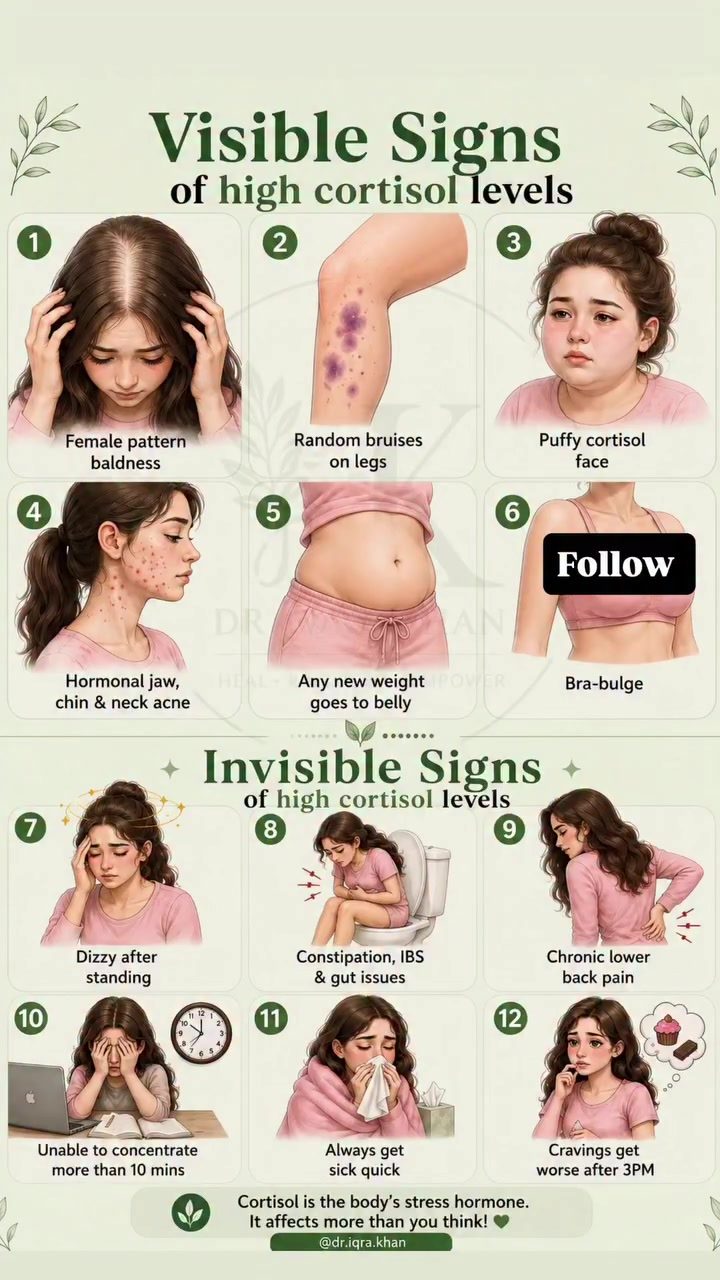
Cortisol can cause noticeable physical changes in the body. One of the most visible signs is female pattern baldness. High stress levels can disrupt the hair growth cycle, leading to hair loss. Easy bruising is another common sign. Bruises may appear randomly, often on the legs, as cortisol affects the skin's collagen production.
Weight gain, particularly around the abdomen, is a significant indicator of high cortisol. The hormone can promote fat storage in the midsection, leading to a "puffy" appearance. Additionally, hormonal acne, particularly on the jaw, chin, and neck, can develop due to the body's response to stress.
Skin Issues
Acne is not the only skin issue associated with high cortisol. A "puffy cortisol face" can result from fluid retention, which is a common symptom of elevated stress levels. The face may appear swollen or puffy, and this change can be particularly noticeable in the morning.
Invisible Signs of High Cortisol
Cognitive and Digestive Issues
While visible signs can be alarming, invisible symptoms like dizziness, gut issues, and difficulty concentrating can be equally concerning. Cortisol affects the body's ability to regulate blood sugar, leading to dizziness, especially after standing up. Constipation, IBS, and other gut issues are also common, as cortisol can disrupt the digestive system.
Chronic lower back pain is another invisible sign that can be linked to high cortisol. The stress hormone can cause tension and inflammation in the body, leading to persistent discomfort. Additionally, people with high cortisol levels often experience difficulty concentrating. This can manifest as an inability to focus for more than a few minutes at a time.
Other Symptoms
High cortisol levels can also affect the immune system, making you more susceptible to infections and illnesses. Frequent infections, coupled with fatigue, can significantly impact your quality of life. Changes in appetite, such as increased cravings, especially after 3 PM, can also be a sign of elevated cortisol levels.
Practical Tips
Stress Management
Managing cortisol levels starts with effective stress management. Techniques such as deep breathing, meditation, and mindfulness can help reduce stress and lower cortisol levels. Regular exercise, particularly aerobic activities like running or cycling, can also help regulate cortisol.
Lifestyle Changes
Improving sleep habits is crucial for maintaining healthy cortisol levels. A good night's sleep allows the body to recover and regulate hormones effectively. Maintaining a balanced diet can also help. Foods rich in vitamins and minerals support overall health and can aid in managing stress.
Professional Help
If you suspect that you have chronically high cortisol levels, it is essential to seek professional help. A qualified healthcare provider can conduct appropriate assessments and testing to determine the root cause of your symptoms. They can also provide guidance on managing stress and improving overall health.
Important Takeaways
High cortisol levels can manifest in various ways, from visible physical changes to less noticeable cognitive and digestive issues. Recognizing these signs is essential for taking proactive steps toward managing stress and improving overall health. While some symptoms may be linked to other conditions, persistent issues should be addressed by a healthcare professional.
Conclusion
Addressing high cortisol levels involves a combination of stress management, lifestyle changes, and, when necessary, professional intervention. By being aware of the visible and invisible signs, you can take the necessary steps to manage stress and improve your overall well-being. If you experience any of these symptoms, don't ignore them—take action to manage your stress and consult a healthcare provider if needed.
Watch the Reel
Questions readers ask
What are the visible signs of high cortisol levels?
Visible signs of high cortisol levels include changes in your body's appearance. These can manifest as weight gain, particularly around the midsection and upper back, as well as noticeable changes in the skin, such as increased acne or thinning skin. Additionally, you might experience hair loss, which can be a significant indicator of elevated cortisol levels.
How does high cortisol affect cognitive function?
High cortisol levels can lead to a variety of cognitive issues. These can include problems with concentration, memory lapses, and a general decline in mental clarity. Chronic stress and the resulting high cortisol can impair your ability to focus, think clearly, and retain information, impacting your daily productivity and overall well-being.
What digestion issues can be linked to high cortisol?
Chronically high cortisol levels can wreak havoc on your digestive system, leading to issues such as irritable bowel syndrome (IBS), ulcers, and even chronic indigestion. The stress hormone can interfere with normal digestive processes, causing discomfort, bloating, and other gastrointestinal problems.
Why is it important to recognize the invisible symptoms of high cortisol?
Invisible symptoms of high cortisol, such as fatigue, mood swings, and changes in sleep patterns, can significantly impact your quality of life. Recognizing these signs is crucial for early intervention, as they can indicate underlying health issues that may not be immediately apparent, such as cardiovascular problems, weakened immune system, and increased blood sugar levels.
What are some medical issues caused by high cortisol levels?
Prolonged high cortisol levels can lead to a range of serious medical issues, including high blood pressure, heart disease, and weakened bones. Chronic stress and the resulting high cortisol can also contribute to conditions like type 2 diabetes and a suppressed immune system, making you more susceptible to infections. Additionally, it can affect your mental health, leading to anxiety and depression.
How does managing stress help in controlling cortisol levels?
Effective stress management is key to controlling cortisol levels. Techniques such as mindfulness, meditation, and regular exercise can help lower cortisol levels by promoting relaxation and reducing stress responses. Adequate sleep and a balanced diet can also support healthy cortisol regulation, helping to mitigate the negative effects of chronic stress on your body and mind.
What should I do if I suspect I have high cortisol levels?
If you suspect you have high cortisol levels, it's important to consult with a healthcare professional. They can perform tests to measure your cortisol levels and help you develop a plan to manage stress and address any underlying issues. This may include lifestyle changes, stress-reduction techniques, and in some cases, medical interventions to regulate cortisol levels.
Recent articles
Fresh deep dives from the latest Reels we unpacked.




Comments
Be the first to comment.