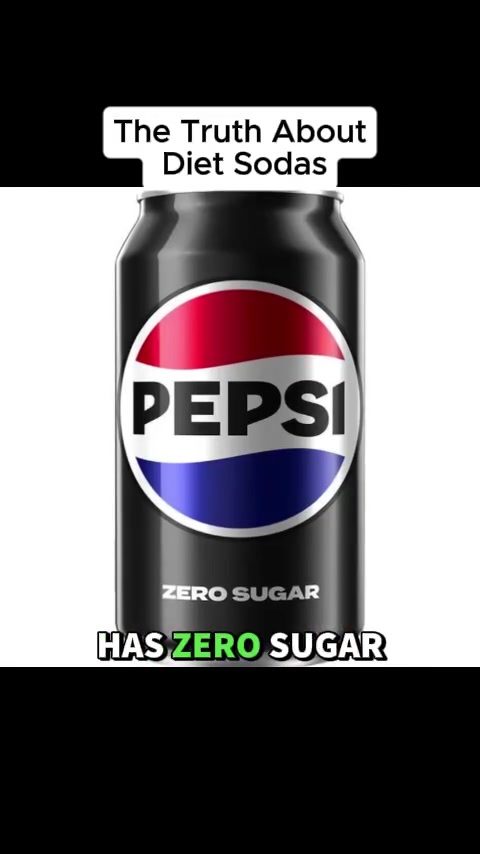
Diet Sodas: Ingredients, Health Concerns, and Clean Alternatives
Diet sodas are a popular choice for those looking to cut calories and sugar from their diet. But have you ever stopped to think about the ingredients that make up your favorite diet soda? Beyond the zero sugar and zero calories, there's a lot more to the story.
Context/Why This Matters
Understanding what's in diet sodas is crucial for making informed decisions about what you put into your body. Many people choose diet sodas as a healthier alternative to regular sodas, but the truth about their ingredients might surprise you.
Ingredients in Diet Sodas
Artificial Sweeteners and Caramel Color
Most diet sodas contain a mix of highly processed artificial sweeteners and caramel color. These ingredients are responsible for the dark color and intensely sweet taste of these beverages. While caramel color may seem innocuous, the manufacturing process can produce a chemical byproduct called 4-methylimidazole (4-MEI), which is classified as a possible human carcinogen. This has been a concern for years, with lawsuits previously exposing these risks.
Health Risks
The presence of 4-MEI in diet sodas raises significant health concerns. While food and beverage corporations are working to phase out these artificial colors and additives by 2026, the synthetic ingredients are still prevalent in many diet sodas available today. This means that by choosing a diet soda, you might be trading one health risk for another—a complex chemical cocktail in place of sugar.
The Role of the Healthysm App
Navigating the complex world of ingredient labels can be daunting. That's where the Healthysm app comes in. This handy tool allows you to scan a product and receive an instant analysis of its ingredients. The app evaluates the formulation and classifies ingredients on a clear scale: clean, moderate risk, or high risk. For popular diet sodas, the app frequently flags artificial colors and sweeteners as high-risk components, helping you to see what's actually in your favorite drink.
Alternatives to Diet Sodas
If you're concerned about the potential health risks associated with diet sodas, there are several alternatives you can consider. Natural, low-calorie sweeteners like stevia and erythritol are increasingly popular and can be found in many beverages and foods. These sweeteners are derived from natural sources and are less processed than artificial sweeteners.
Additionally, seltzers and sparkling water are great alternatives to diet sodas. They provide the fizz and refreshing taste without the artificial ingredients. Flavored seltzers with natural flavors can also be a good option.
Practical Tips
- Read Labels Carefully: Always check the ingredient list on the label. Look for natural sweeteners and avoid products with a long list of artificial ingredients.
- Use the Healthysm App: Scan your favorite beverages to get instant feedback on their ingredients. This can help you make more informed choices.
- Consider Natural Alternatives: Opt for beverages sweetened with natural ingredients or choose sparkling water for a refreshing, low-calorie option.
Important Takeaways
- Diet sodas contain artificial sweeteners and caramel color, which can produce harmful chemical byproducts.
- The manufacturing process for caramel color can produce 4-MEI, a recognized carcinogen.
- The Healthysm app can help you identify high-risk ingredients in diet sodas and find cleaner alternatives.
- Natural sweeteners and sparkling water are healthier alternatives to diet sodas.
Conclusion
Diet sodas are a popular choice for those looking to cut calories and sugar, but the ingredients in these beverages raise significant health concerns. By understanding what's in your favorite diet soda and using tools like the Healthysm app, you can make more informed choices about what you put into your body. Consider exploring natural alternatives to ensure you're getting the best for your health.
Watch the Reel
Questions readers ask
What are the primary artificial sweeteners used in diet sodas and what are their potential health risks?
Common artificial sweeteners in diet sodas include aspartame, sucralose, and saccharin. While they provide a sweet taste without calories, some studies suggest they may have potential health risks. These include headaches, digestive issues, and even potential links to long-term health problems like obesity and type 2 diabetes.
Why is caramel color used in diet sodas and is it safe?
Caramel color is used in diet sodas to achieve a brown hue and is often added to foods to enhance visual appeal. However, some types of caramel color, specifically Class III and Class IV, are created with ammonium compounds which can form 4-methylimidazole (4-MEI). 4-MEI is a potential carcinogen and is listed by the state of California as a chemical known to cause cancer.
Are there any long-term health risks associated with consuming artificial sweeteners found in diet soda?
Some studies suggest that long-term consumption of artificial sweeteners might be linked to health issues. These may include an increased risk of obesity, type 2 diabetes, and metabolic syndrome. Additionally, some individuals may experience gastrointestinal problems and headaches.
What are some healthier alternatives to diet sodas?
If you're looking to avoid the artificial sweeteners and caramel color in diet sodas, consider alternatives like sparkling water with natural fruit juices, herbal teas, or infused water. These options can provide a refreshing taste without the potential health risks associated with diet sodas.
What are the potential health risks associated with artificial sweeteners?
Artificial sweeteners, while low in calories, have been linked to various health concerns. These include potential neurological effects, disruption of gut bacteria, and an increased risk of metabolic disorders. Some studies suggest they may also interfere with the body's ability to regulate blood sugar and appetite.
Are there any natural sweeteners that can be used as an alternative to artificial sweeteners?
Natural sweeteners like stevia, erythritol, and monk fruit can be a healthier alternative to artificial sweeteners. These options are derived from plants and may have fewer side effects compared to artificial sweeteners. However, it's important to consume them in moderation as they can still impact blood sugar levels.
Related deep dives
Similar reads based on topic and creator.




Recent articles
Fresh deep dives from the latest Reels we unpacked.




Comments
Be the first to comment.