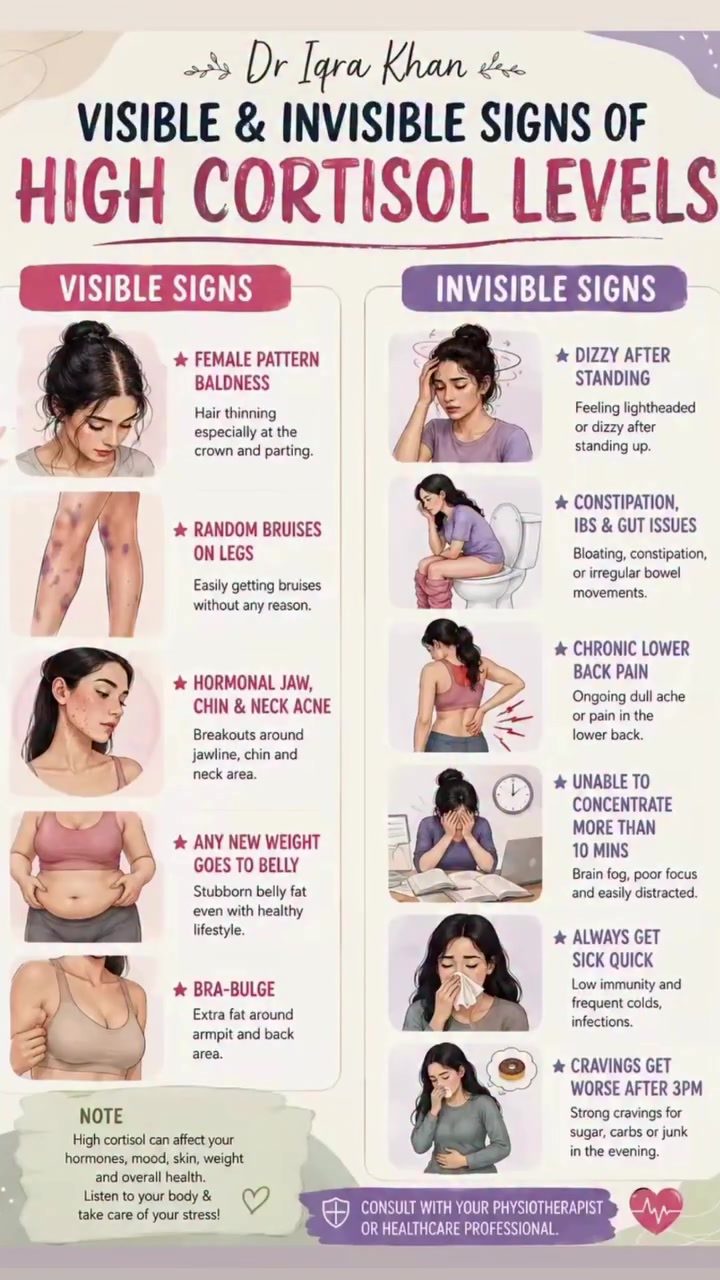
Signs of High Cortisol Levels
Stress can manifest in various ways, and one of the key hormones involved in this process is cortisol. Cortisol is often referred to as the "stress hormone" because it is released in response to stress. Elevated cortisol levels can lead to a range of symptoms, both visible and invisible. Understanding these signs can help you recognize when your body is under too much stress and take appropriate action.
Why This Matters
Cortisol plays a crucial role in the body's stress response system. It helps regulate metabolism, reduce inflammation, and manage blood sugar levels. However, when cortisol levels are consistently high, it can lead to a host of health issues. Recognizing the signs of high cortisol levels is essential for managing stress and maintaining overall health.
Visible Signs of High Cortisol Levels
High cortisol levels can manifest in visible ways, affecting your physical appearance and overall well-being. Some of the most noticeable signs include:
Skin and Hair Issues
One of the most visible signs of high cortisol levels is changes in the skin and hair. This can include:
- Female Pattern Baldness: Hair thinning, especially at the crown and parting, can be a sign of high cortisol levels.
- Random Bruises on Legs: Easily getting bruises without any apparent reason can indicate elevated cortisol.
- Hormonal Jaw, Chin, and Neck Acne: Breakouts around the jawline, chin, and neck area are common among those with high cortisol levels.
Weight Changes
Cortisol can also affect your weight distribution. Some of the visible changes include:
- Stubborn Belly Fat: Even with a healthy lifestyle, stubborn belly fat can accumulate, especially around the belly and bra area.
- Bra-Bulge: Extra fat around the armpit and back area can also be a sign of high cortisol levels.
Invisible Signs of High Cortisol Levels
While visible signs can be alarming, hidden symptoms can be equally concerning. These signs might not be immediately apparent but can significantly impact your daily life. Some of the invisible signs include:
- Dizziness After Standing: Feeling lightheaded or dizzy after standing up is a common invisible sign of high cortisol.
- Digestive Issues: Bloating, constipation, or irregular bowel movements can indicate gut issues related to high cortisol levels.
- Chronic Lower Back Pain: Ongoing dull ache or pain in the lower back can be a result of elevated cortisol.
- Brain Fog and Poor Concentration: Difficulty concentrating, brain fog, and being easily distracted are often associated with high cortisol levels.
- Frequent Illness: Low immunity and frequent colds or infections can be a sign that your body is under stress.
- Evening Cravings: Strong cravings for sugary foods, carbs, or junk food, especially in the evening, can be linked to high cortisol levels.
How Cortisol Affects Your Body
High cortisol levels can impact various aspects of your health, including:
- Hormones: Elevated cortisol can disrupt your hormonal balance, leading to various issues.
- Mood: High cortisol levels can affect your mood, making you more prone to stress, anxiety, and irritability.
- Skin and Hair: As mentioned earlier, cortisol can affect your skin and hair, leading to issues like acne and hair thinning.
- Weight: Cortisol can influence your weight, often leading to stubborn belly fat and other unwanted weight changes.
- Overall Health: Prolonged high cortisol levels can weaken your immune system, making you more susceptible to illnesses.
Practical Tips for Managing Cortisol Levels
If you recognize any of the signs mentioned above, it's essential to take steps to manage your cortisol levels. Here are some practical tips:
Lifestyle Changes
- Regular Exercise: Engaging in regular physical activity can help reduce cortisol levels and improve your overall health.
- Healthy Diet: Eating a balanced diet rich in fruits, vegetables, and lean proteins can help manage cortisol levels.
- Adequate Sleep: Getting enough sleep is crucial for maintaining healthy cortisol levels. Aim for 7-9 hours of sleep per night.
- Stress Management: Techniques such as meditation, deep breathing, and yoga can help reduce stress and lower cortisol levels.
Medical Evaluation
If you suspect that your cortisol levels are high, it's important to consult with a healthcare professional. They can provide a thorough evaluation and recommend appropriate treatment options. Remember, not every symptom means high cortisol—many can have different causes. The right diagnosis starts with the right evaluation.
Monitor Your Symptoms
Keep track of your symptoms and any changes in your health. This can help you and your healthcare provider better understand your condition and determine the best course of action.
Listen to Your Body
Pay attention to your body's signals. If you notice any of the visible or invisible signs of high cortisol levels, take them seriously and take steps to address the underlying issues.
Important Takeaways
- Visible and Invisible Signs: High cortisol levels can manifest in both visible and invisible ways, affecting your skin, hair, weight, and overall health.
- Health Impact: Elevated cortisol can disrupt your hormones, mood, and immune system, making it crucial to recognize and address the signs.
- Lifestyle and Medical Care: Combining lifestyle changes with medical evaluation can help manage cortisol levels and improve your health.
- Professional Guidance: Always consult with a healthcare professional for a proper evaluation and treatment plan.
Conclusion
Understanding the signs of high cortisol levels is the first step in managing stress and maintaining your health. By recognizing the visible and invisible symptoms, you can take proactive measures to address the underlying issues. Whether through lifestyle changes or professional medical care, taking control of your cortisol levels can significantly improve your overall well-being.
Watch the Reel
Questions readers ask
What are some visible signs of high cortisol levels that I should look out for?
Visible signs of high cortisol levels include sudden and unexpected acne outbreaks, changes in the skin such as increased dryness or thinning, and excessive bruising. These symptoms can indicate that your body is under significant stress, and it's important to take note of these changes.
How does cortisol affect hair and skin health?
High cortisol levels can lead to hair loss and changes in skin appearance. This may include increased dryness, thinning of the skin, or a more aged appearance. These changes occur because cortisol can interfere with the normal functioning of hair follicles and skin cells.
Can high cortisol levels cause weight gain and cravings?
Yes, elevated cortisol levels can lead to weight gain, particularly around the midsection. This is often accompanied by increased cravings for high-fat, high-sugar foods. Cortisol can also influence where your body stores fat, leading to a more pronounced belly.
Is there a link between high cortisol and back pain?
Yes, high cortisol levels can contribute to back pain. Chronic stress and elevated cortisol can cause muscles to tense up, leading to discomfort and pain in the back. This is often due to the body's fight-or-flight response being constantly activated, which can lead to long-term muscle tension.
What are some invisible symptoms of high cortisol levels?
Invisible symptoms of high cortisol levels can include brain fog, difficulty concentrating, and changes in mood, such as increased irritability or anxiety. These symptoms can affect your daily functioning and quality of life, making it important to address underlying stress factors.
How can I manage high cortisol levels to improve my health?
To manage high cortisol levels, consider stress reduction techniques such as meditation, yoga, or deep breathing exercises. Regular physical activity, a balanced diet, and adequate sleep can also help lower cortisol levels. If symptoms persist, consult a healthcare professional for personalized advice.
Can high cortisol levels after a stressful event cause long-term health issues?
Yes, if cortisol levels remain high after a stressful event, it can lead to long-term health issues. Prolonged high cortisol levels can weaken the immune system, increase the risk of heart disease, and contribute to conditions like high blood pressure and diabetes. It's important to address stress and take steps to lower cortisol levels to mitigate these risks.
Recent articles
Fresh deep dives from the latest Reels we unpacked.




Comments
Be the first to comment.