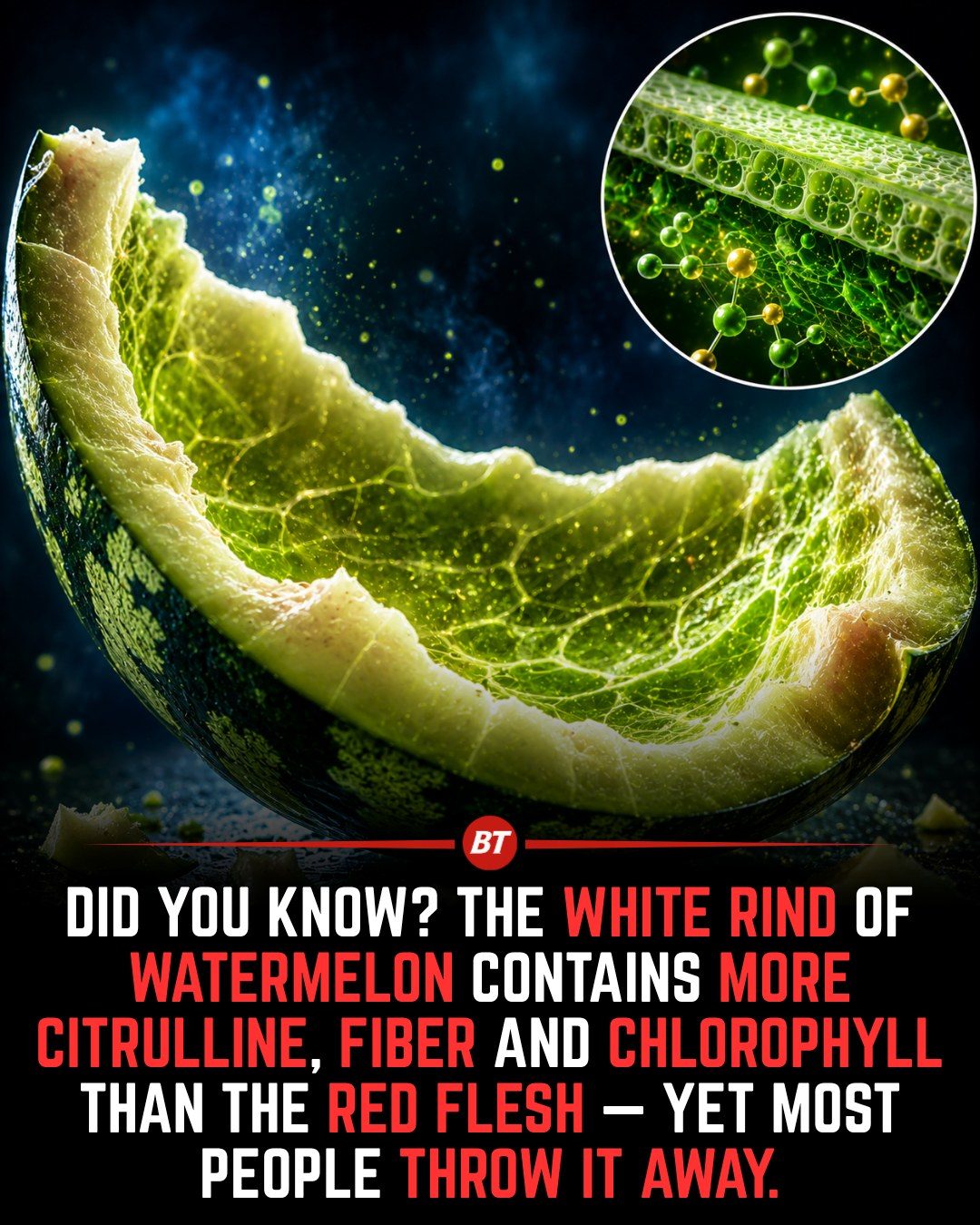
Watermelon Rind: A Hidden Nutritional Powerhouse
Watermelons are a favorite summer fruit, known for their sweet, juicy red flesh. Yet, many people discard the pale white rind without knowing that it contains a unique nutritional profile. The rind is packed with essential nutrients, including citrulline, fiber, and chlorophyll, which offer numerous health benefits. Most people skip the chance to benefit from the rind. Understanding the nutritional value of the watermelon rind can help you make the most of this often-overlooked part of the fruit.
Why This Matters
Acknowledging the nutritional value of watermelon rind can lead to better utilization of the fruit, ultimately reducing food waste. Moreover, incorporating the rind into your diet can boost your nutrient intake, especially in terms of citrulline, fiber, and chlorophyll.
The Nutritional Benefits of Watermelon Rind
Citrulline
Citrulline is an amino acid found in high concentrations in the white portion of the watermelon rind. This amino acid plays a crucial role in the body's production of nitric oxide, a compound that helps relax blood vessels and supports healthy circulation. Citrulline has gained popularity in sports nutrition due to its potential to enhance athletic performance and promote muscle recovery. Interestingly, the rind contains higher levels of citrulline compared to the juicy red center, making it a valuable part of the fruit to consume.
Fiber
Watermelon rind is an excellent source of dietary fiber, which is essential for maintaining a healthy digestive system. Fiber supports digestion, helps prevent constipation, and promotes the growth of beneficial gut bacteria. Including fiber-rich foods in your diet can also aid in weight management by promoting feelings of fullness and reducing overall calorie intake. By incorporating the rind into your meals or beverages, you can increase your daily fiber intake.
Chlorophyll
The green outer layer of the watermelon rind contains small amounts of chlorophyll, a plant pigment with powerful antioxidant properties. Chlorophyll helps protect the body from oxidative stress and supports overall health. Additionally, chlorophyll has been shown to have anti-inflammatory effects and may help detoxify the body by binding to and removing harmful toxins. While the concentration of chlorophyll in the rind is relatively low, every bit of antioxidants counts.
Plant Pigments and Phytonutrients
In addition to chlorophyll, the watermelon rind contains various plant pigments and phytonutrients that contribute to the fruit's antioxidant content. These compounds help protect the body from damage caused by harmful molecules called free radicals, which can contribute to chronic diseases and aging. By consuming the rind, you can take advantage of these beneficial plant compounds and enhance your overall antioxidant intake.
Creative Ways to Use Watermelon Rind
For generations, cultures around the world have found creative ways to use watermelon rind. Here are some practical ideas to help you make the most of this nutritious part of the fruit.
Pickling
Pickling watermelon rind is a popular method of preservation and adds a tangy flavor to the rind. To pickle watermelon rind, you can create a simple brine using vinegar, sugar, and spices. The pickled rind can be enjoyed as a side dish, snack, or added to salads for an extra crunch.
Stir-Frying
Stir-frying watermelon rind is a delicious way to incorporate it into your meals. To prepare, peel off the tough green outer skin and cut the rind into small, bite-sized pieces. Stir-fry the rind with your favorite vegetables, protein, and seasonings for a unique and nutritious dish.
Smoothies and Juices
Blending watermelon rind into smoothies or juices is an excellent way to boost the nutritional content of your beverages. The rind adds very little flavor but provides extra fiber and beneficial plant compounds. To incorporate the rind into your smoothies, peel off the green outer skin and blend the white rind with your favorite fruits, vegetables, and liquids.
Fresh Juices
Combining watermelon rind with fresh juices is another great way to make the most of this nutrient-rich part of the fruit. To make fresh juice, peel off the tough green outer skin and juice the white rind along with your favorite fruits and vegetables. The resulting juice is not only refreshing but also packed with essential nutrients.
Practical Tips
When using watermelon rind, it's essential to prepare it properly to ensure the best flavor and texture. Here are some practical tips to help you make the most of this nutritious part of the fruit.
Peeling the Rind
To prepare watermelon rind for consumption, start by cutting the watermelon into wedges and removing the red flesh. Next, use a vegetable peeler or sharp knife to peel off the tough green outer skin, revealing the white rind underneath. Be sure to remove any remaining green bits, as they can be tough and bitter.
Cutting the Rind
After peeling the rind, cut it into small, bite-sized pieces or thin slices, depending on your preferred method of preparation. Cutting the rind into smaller pieces makes it easier to incorporate into various dishes and beverages.
Storing the Rind
If you're not ready to use the watermelon rind immediately, you can store it in the refrigerator for up to a few days. To maximize freshness, wrap the rind tightly in plastic wrap or place it in an airtight container. For longer storage, you can freeze the rind for up to a few months.
Important Takeaways
The watermelon rind is a hidden source of essential nutrients, including citrulline, fiber, and chlorophyll. Incorporating the rind into your diet can help boost your nutrient intake, support healthy digestion, and reduce food waste. By trying out various preparation methods, such as pickling, stir-frying, or blending, you can enjoy the unique flavors and textures of watermelon rind while reaping its nutritional benefits.
Conclusion
In conclusion, the next time you enjoy a juicy watermelon, consider the nutritious benefits of the white rind and think twice before discarding it. By understanding the value of this often-overlooked part of the fruit, you can make the most of your watermelon and elevate your nutritional intake. So, go ahead and give your watermelon rind a chance. You might just be surprised by the delicious and nutritious possibilities it offers.
Watch the Reel
Questions readers ask
What is citrulline and why is it important in watermelon rind?
Citrulline is an amino acid found abundantly in water melon rind. It plays a crucial role in blood flow and cardiovascular health. Consuming the rind can enhance your body's citrulline levels, which may improve exercise endurance and overall performance.
How does watermelon rind benefit digestion?
Watermelon rind is rich in dietary fiber, which is essential for maintaining a healthy digestive system. Isolating the rind in your diet can help prevent constipation, promote regular bowel movements, and support a healthy gut microbiome.
Can eating watermelon rind improve my athletic performance?
Yes, the citrulline in watermelon rind can help reduce fatigue and improve exercise endurance. Incorporating the rind into your diet can potentially enhance your athletic performance by increasing the availability of nitric oxide in your body, which aids in blood flow and muscle function.
What are some ways to use watermelon rind in recipes?
Watermelon rind can be used in a variety of recipes. You can pickle it, stir-fry, or blend it into smoothies. Some people also use it in soups or as a garnish for salads. The rind can be grated or diced to add a unique twist to your meals.
Is the white part of the watermelon rind safe to eat?
Yes, the white part of the watermelon rind is safe to eat. It is the green skin that should be removed. The white part contains most of the fruit's nutrients. Once you remove the skin, you can rinse and use the white part to make different dishes.
How does chlorophyll in watermelon rind benefit health?
Chlorophyll in watermelon rind offers various health benefits, including anti-inflammatory properties and potential anti-cancer effects. It also helps in detoxifying the body and improving overall health. By including the rind in your diet, you can take advantage of these benefits.
What nutrients does watermelon rind have that I might be missing out on?
Watermelon rind is rich in essential nutrients like citrulline, vitamin C, vitamin A, and potassium. By not eating the rind, you may be missing out on these vital nutrients. The rind also contains antioxidants and amino acids which are beneficial for overall health.
Related deep dives
Similar reads based on topic and creator.




Recent articles
Fresh deep dives from the latest Reels we unpacked.




Comments
Be the first to comment.