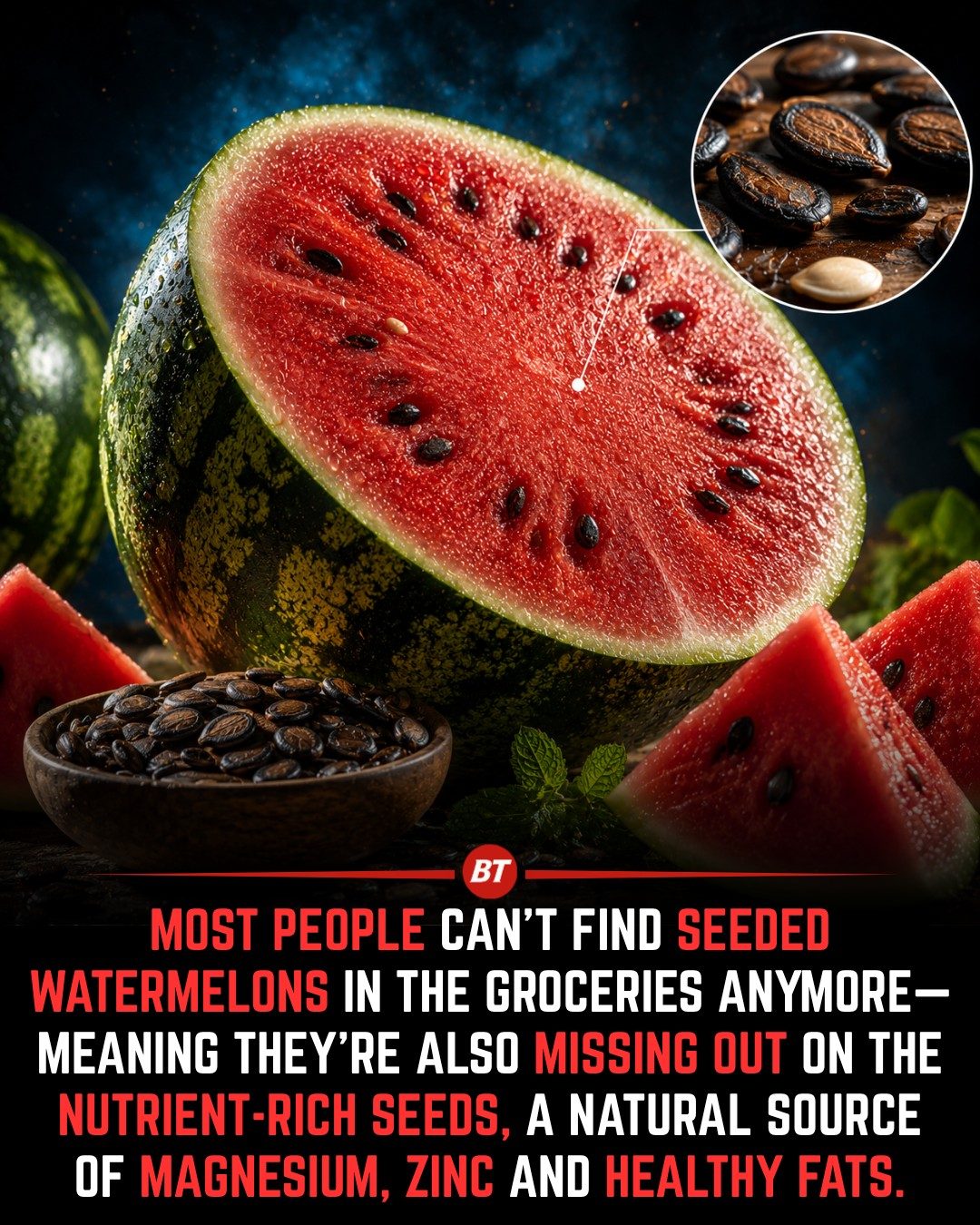
Seeded Watermelons: Unlocking Nutritional Treasures
Seeded watermelons are becoming a rare find in grocery stores, overshadowed by the convenience of seedless varieties. This shift, however, means many people are missing out on the nutritional powerhouses hidden within the seeds. While seedless watermelons offer convenience, they lack the nutritional benefits found in the seeds that are often discarded.
Why this matters
The trend toward seedless watermelons is driven by consumer demand for convenience, but it's important to recognize the nutritional trade-offs. Seeded watermelons offer a range of nutrients that are often overlooked. By understanding the benefits of these seeds, consumers can make more informed decisions about the food they purchase and consume.
Unveiling the Nutritional Power of Watermelon Seeds
The Nutrient Profile
Watermelon seeds, despite their small size, are packed with essential nutrients. When dried or roasted, these seeds become a natural source of magnesium, zinc, iron, healthy unsaturated fats, and plant-based protein. The benefits of these nutrients extend to various aspects of health.
Key Nutrients and Their Benefits
Magnesium
Magnesium is crucial for many biochemical reactions in the body, including muscle and nerve function, energy production, and maintaining healthy blood pressure. Roasted or thoroughly chewed watermelon seeds provide an excellent source of magnesium, supporting overall bodily functions.
Zinc
Zinc plays a fundamental role in immune function, wound healing, DNA repair, and the production of new cells. The zinc found in watermelon seeds supports the body's natural defenses and overall health.
Iron
Iron is essential for carrying oxygen in the blood and supporting energy production. Watermelon seeds offer iron, contributing to overall energy levels and stamina.
Healthy Fats
The healthy unsaturated fats in watermelon seeds are beneficial for heart health and overall metabolism. These fats help reduce the risk of cardiovascular diseases and support metabolic functions.
Plant-Based Protein
Watermelon seeds are a natural source of plant-based protein, offering an excellent alternative for those seeking to increase their protein intake without relying on animal products.
Antioxidants and Plant Compounds
Like many edible seeds, watermelon seeds are rich in antioxidants and other plant compounds. These compounds help protect cells from oxidative stress, contributing to overall health and reducing the risk of chronic diseases.
Why Are Seeded Watermelons Going Extinct?
The popularity of seedless watermelons is driven by consumer convenience and preferences. Seedless watermelons are produced through traditional plant breeding methods to create fruit with immature, soft seeds. These seedless varieties are just as nutritious as seeded ones when it comes to the juicy flesh. However, the loss of seeds means missing out on the powerful nutrients they offer.
How to Incorporate Watermelon Seeds into Your Diet
To reap the benefits of watermelon seeds, it's essential to know how to prepare and consume them effectively. Here are some practical tips:
Finding Seeded Watermelons
Finding seeded watermelons may require a trip to specialty stores or farmers' markets, as they are less common in traditional grocery stores. Look for varieties labeled as "seeded" or "old-fashioned" watermelons. The seeds provide an opportunity to enhance your diet with additional nutrients.
Preparing Watermelon Seeds
Once you have a seeded watermelon, the preparation is simple:
- Rinse the Seeds: Rinse the seeds thoroughly to remove any remaining pulp or residue.
- Dry the Seeds: Let the seeds dry completely. You can spread them out on a baking sheet and leave them at room temperature for a day or two.
- Roast the Seeds: Preheat your oven to 300°F (150°C). Toss the dry seeds with a bit of olive oil and sea salt. Spread them on a baking sheet and roast for 10-15 minutes or until golden brown. Stir them occasionally to prevent burning.
Consuming Watermelon Seeds
After roasting, the seeds can be consumed as a snack or added to various dishes:
- Snack on Roasted Seeds: Enjoy them as a crunchy, nutritious snack.
- Add to Salads: Sprinkle roasted seeds on top of salads for added texture and nutrition.
- Mix with Cereals or Yogurt: Incorporate them into your breakfast routine by adding seeds to cereal or yogurt.
Important Takeaways
Seeded watermelons are a rich source of essential nutrients, but they are becoming increasingly rare in grocery stores. By making the effort to find and prepare watermelon seeds, you can unlock a treasure trove of health benefits. Roasting or thoroughly chewing the seeds maximizes nutrient absorption, providing magnesium, zinc, iron, healthy fats, and plant-based protein.
The seeds also contain antioxidants and other plant compounds that protect cells from oxidative stress. While seedless watermelons offer convenience, they lack the nutritional power of their seeded counterparts. By choosing seeded watermelons and incorporating their seeds into your diet, you can enhance your nutritional intake and support overall health.
Conclusion
In the quest for convenience, it's easy to overlook the nutritional value of watermelon seeds. However, these tiny powerhouses offer a wealth of health benefits, from supporting biochemical reactions to boosting immune function. As seeded watermelons become rarer in stores, it's worth seeking them out and incorporating their seeds into your diet. By doing so, you can enjoy the full nutritional potential of this refreshing summer fruit.
Watch the Reel
Questions readers ask
What are the key nutrients found in watermelon seeds?
Watermelon seeds are packed with essential nutrients. They contain magnesium, which is crucial for muscle and nerve function. Additionally, they provide zinc, which supports the immune system. Furthermore, they offer healthy fats that contribute to heart health and help maintain overall wellness.
How do seeded watermelons compare to seedless watermelons in terms of nutrition?
Seeded watermelons offer a range of nutrients that are absent in seedless varieties. The seeds in seeded watermelons are rich in magnesium, zinc, and healthy fats. These nutrients support various bodily functions and contribute to overall health, making seeded watermelons a more nutritionally robust choice.
Why are seeded watermelons becoming less common in stores?
The decline in the availability of seeded watermelons in grocery stores is primarily due to consumer demand for convenience. Seedless watermelons are perceived as more convenient, leading to a shift in market trends. However, this shift results in many consumers missing out on the nutritional benefits provided by watermelon seeds.
What are the benefits of consuming watermelon seeds?
Consuming watermelon seeds offers several health benefits. They provide magnesium, which is essential for proper muscle and nerve function. They also contain zinc, which helps support the immune system. Additionally, the healthy fats in watermelon seeds contribute to heart health, making them a valuable addition to a balanced diet.
Are there any downsides to choosing seedless watermelons over seeded ones?
Choosing seedless watermelons over seeded ones can mean missing out on valuable nutrients. Seedless watermelons lack the magnesium, zinc, and healthy fats found in seeded watermelons. This can result in a less nutritionally dense choice, despite the convenience of not having to deal with seeds. Consumers seeking a more nutrient rich experience should consider opting for seeded watermelons instead.
How can I incorporate watermelon seeds into my diet?
Watermelon seeds can be incorporated into your diet in various ways. You can roast them for a crunchy snack or grind them into a powder to add to smoothies or baked goods. They can also be sprinkled onto salads or yogurt for added texture and nutrition. This simple addition can enhance the nutritional content of your meals and snacks.
What role does magnesium in watermelon seeds play in the body?
Magnesium in watermelon seeds is vital for several bodily functions. It helps regulate muscle and nerve function, contributes to maintaining strong bones, and aids in converting food into energy. By incorporating watermelon seeds into your diet, you can support these essential processes and promote overall health.
Related deep dives
Similar reads based on topic and creator.




Recent articles
Fresh deep dives from the latest Reels we unpacked.




Comments
Be the first to comment.