Watermelon and Food Security
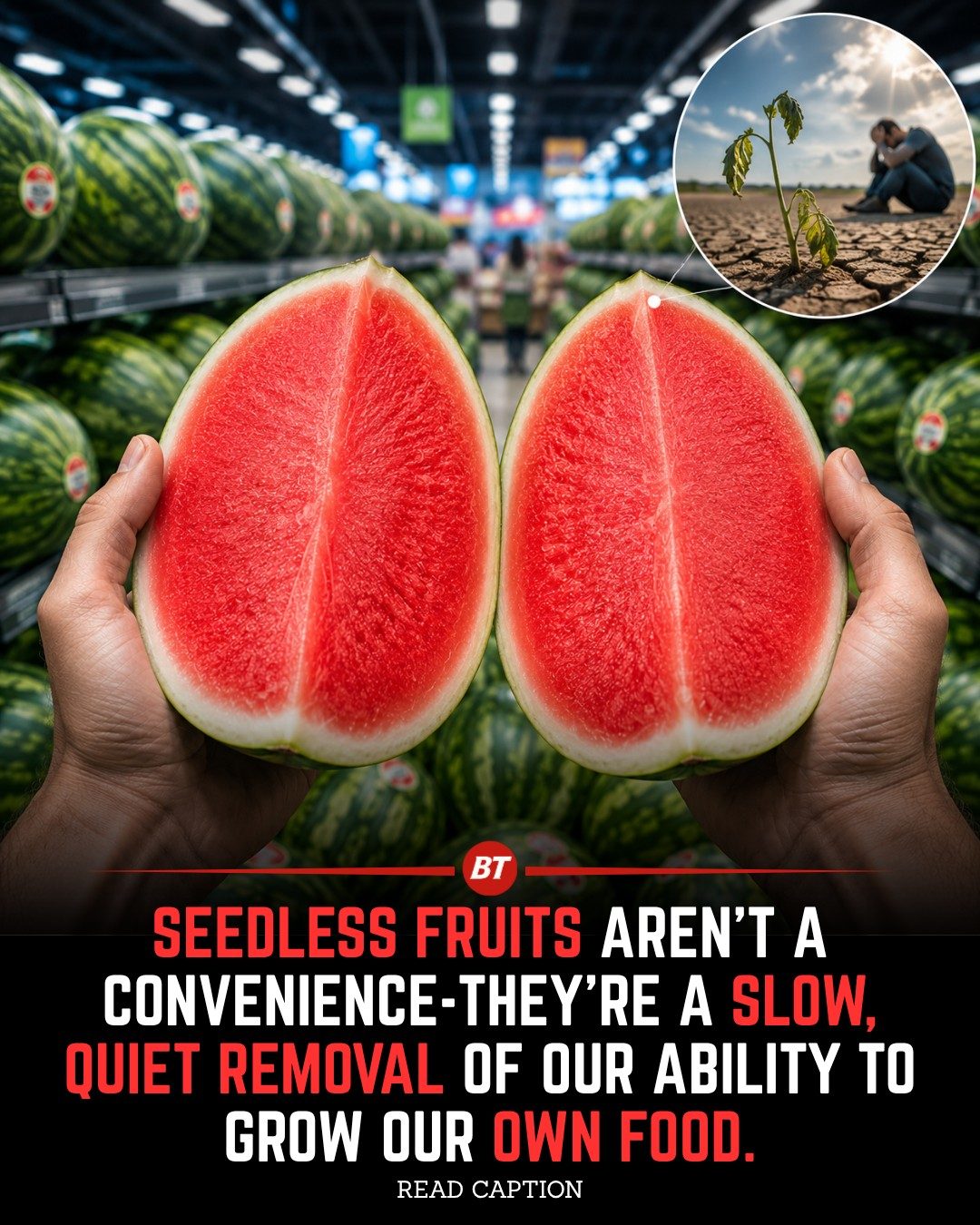
Seedless watermelons are a staple in many grocery stores, prized for their convenience and uniform appearance. However, the presence of seedless fruits in our diets has a broader, more complex story to tell about modern agriculture and food security.
Why this matters
The shift towards seedless varieties like watermelons reflects a significant change in how we grow and consume food. Understanding this change is crucial for anyone interested in gardening, sustainable living, or simply curious about where their food comes from. It impacts our ability to grow our own food and highlights the reliance on agricultural expertise in modern farming.
The science behind seedless watermelons
Genetic manipulation
Seedless watermelons are created through a process involving the manipulation of plant genetics. This is typically achieved by crossing plants with different chromosome numbers to produce triploid watermelons. These triploid plants still require pollination to develop fruit, but due to their genetic makeup, they produce little to no mature seeds. This genetic alteration allows for the creation of seedless varieties that are consistent in size, sweetness, and texture.
Propagation techniques
Unlike traditional watermelons, which can be grown from seeds, seedless varieties are propagated through techniques such as grafting, cuttings, tissue culture, or carefully controlled breeding programs. These methods ensure that the fruit produced is uniform and meets the high standards set by commercial growers.
The implications for food production
Dependency on agricultural expertise
The shift towards seedless varieties means that many modern crops are now dependent on farmers, nurseries, and specialized breeding programs for continued cultivation. This dependency is a result of the selective breeding and genetic manipulation that go into producing seedless fruits. While these traits offer convenience, they have also made many modern varieties more reliant on agricultural expertise.
Impact on food security
The transition to seedless fruits has significant implications for food security. Since seedless varieties cannot be reproduced by simply planting the fruit, gardeners and farmers must rely on specialized breeding programs to obtain new plants. This shift reduces the ability of individuals to grow their own food from saved seeds, potentially impacting local food sovereignty and sustainability efforts.
Practical tips for growing your own food
Choosing the right seeds
If you are interested in growing your own food, it is essential to choose heirloom or open-pollinated varieties. These varieties produce seeds that can be saved and replanted, allowing you to maintain a sustainable and self-sufficient garden. Heirloom seeds are particularly valuable for preserving agricultural diversity and ensuring that future generations have access to a wide range of plant varieties.
Selecting seedless varieties
For those who prefer the convenience of seedless fruits, it is important to understand the limitations. Seedless varieties can still be grown, but they require a different approach. You may need to obtain cuttings or young plants from nurseries or other growers. Alternatively, you can experiment with grafting techniques to propagate your own seedless plants.
Supporting sustainable agriculture
Supporting local farmers and nurseries that specialize in heirloom and open-pollinated varieties can help preserve agricultural diversity and promote sustainable food systems. By purchasing from these sources, you contribute to a more resilient food supply and ensure that future generations have access to a variety of plant cultivars.
Important takeaways
Understanding the trade-offs
Seedless fruits offer convenience and consistency, but they come at a cost. The loss of the ability to replant seeds means a greater reliance on commercial growers and agricultural expertise. Understanding these trade-offs can help you make more informed decisions about the food you consume and the plants you grow.
Preserving agricultural diversity
Choosing heirloom or open-pollinated varieties helps preserve the genetic diversity of our food crops. This diversity is essential for maintaining a resilient food system that can adapt to changing environmental conditions and consumer preferences.
The role of genetic manipulation
Genetic manipulation plays a significant role in modern agriculture, allowing for the creation of seedless varieties and other desirable traits. However, it is important to recognize the implications of these techniques on food security and sustainability.
Conclusion
The presence of seedless watermelons in our diets highlights a broader shift in modern agriculture towards convenience and consistency. While seedless fruits offer many benefits, they also come with trade-offs that impact our ability to grow our own food and preserve agricultural diversity. By understanding these changes and making informed choices, we can contribute to a more sustainable and resilient food system.
Watch the Reel
Questions readers ask
What makes seedless watermelons different from regular watermelons in terms of cultivation?
Seedless watermelons are cultivated using a specific breeding technique, where triploid watermelon plants are created by crossing a tetraploid (4 sets of chromosomes) with a diploid (2 sets of chromosomes) watermelon plant. This results in a plant that produces fruit with a low number of seeds, or without seeds at all, unlike regular watermelons.
How do seedless watermelons affect home gardening?
Growing seedless watermelons at home can be more challenging than growing regular varieties. This is because seedless watermelons require specific pollination techniques and you will need to buy seedless watermelon seeds, which are less readily available than regular watermelon seeds. You will also need to plant pollinator plants to help with fruit production.
What is the impact of seedless watermelons on food production?
The increase in demand for seedless watermelons has led to a shift in agricultural practices, with many farmers focusing on cultivating these varieties. This shift can affect the availability of watermelons seeds in the market, making it harder for consumers to grow their own watermelons at home, leading to a reliance on commercial farming for watermelons.
Why are seedless watermelons more popular in grocery stores?
They are popular because of their convenience and uniform appearance. They are easier to eat and have a consistent shape and size, which makes them more appealing to consumers. This has led to a significant demand for these varieties in grocery stores.
Can I grow seedless watermelons using regular watermelon seeds?
No, you cannot. Seedless watermelons are created through a specific genetic process involving two types of watermelon plants, so you can't grow seedless watermelons from seeds obtained from a regular watermelon. Instead, you need to purchase specific seedless watermelon seeds, which are the result of a breeding program.
How do seedless watermelons relate to food security?
The prevalence of seedless watermelons in our diets highlights a broader shift in modern agriculture. As more people rely on commercially grown seedless varieties, there is a decreased emphasis on growing food independently or on the availability of seeds for home gardeners, which can impact food security.
What role do pollinators play in growing seedless watermelons?
Pollinators are crucial for growing seedless watermelons. While these plants do not produce viable seeds, they still require pollination to develop fruit. This means you will need pollinator plants, such as bee attractors, to ensure proper fruit set and production.
Related deep dives
Similar reads based on topic and creator.


Recent articles
Fresh deep dives from the latest Reels we unpacked.




Comments
Be the first to comment.