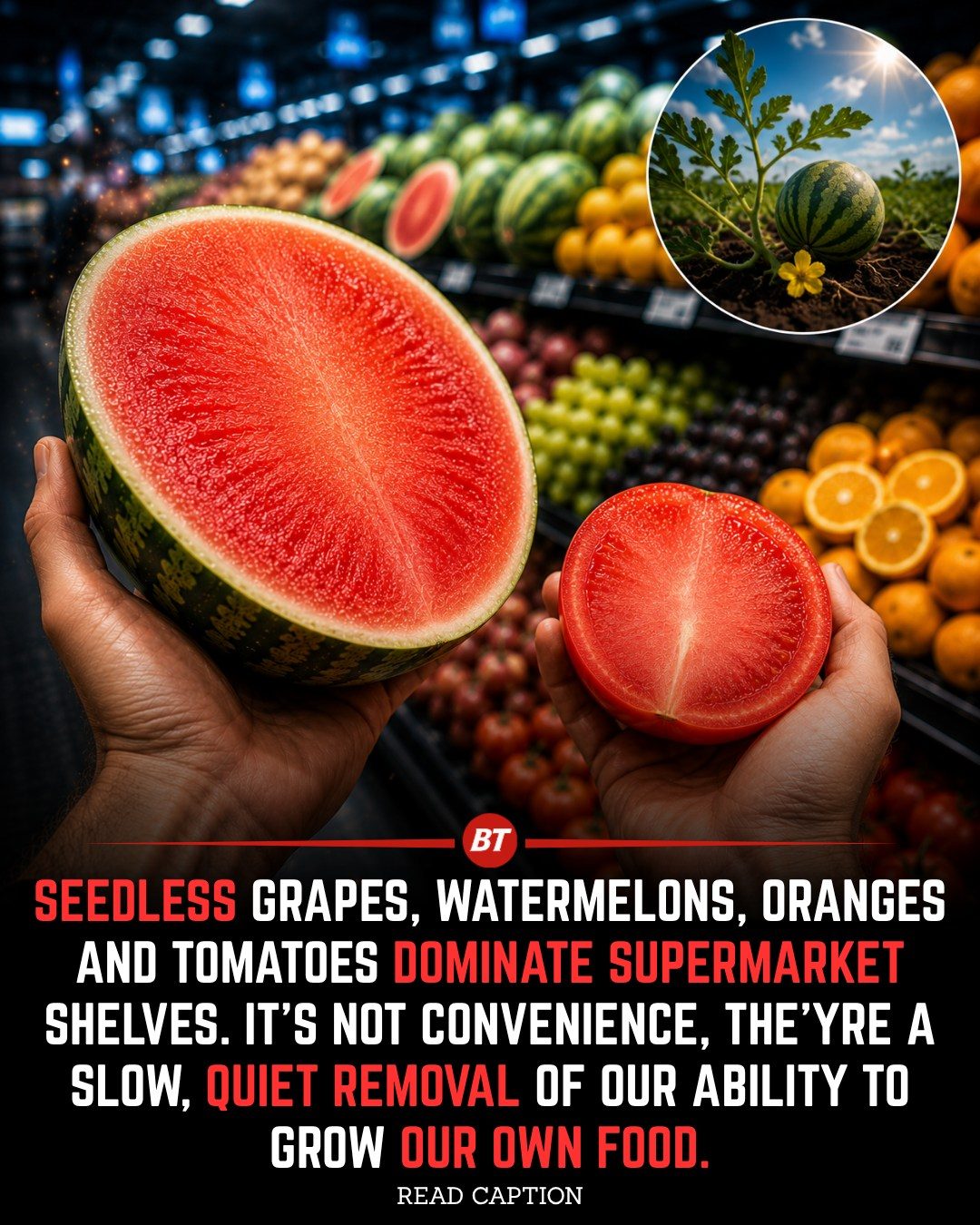
Supermarket Produce and the Evolution of Food Production
The produce section of a typical supermarket is filled with a variety of fruits and vegetables, many of which are seedless and incredibly convenient to eat. Watermelons, grapes, oranges, and tomatoes are among the most common offerings. However, the prevalence of these seedless varieties has subtly transformed our relationship with growing our own food.
The Convenience of Seedless Produce
Seedless fruits like watermelons, grapes, and certain citrus varieties have become staples in supermarkets. They offer several advantages, including convenience and longer shelf life. Seedless watermelons, for instance, are easy to eat and enjoy without the hassle of removing seeds. These fruits are just as nutritious as their seeded counterparts and have made fresh produce more accessible and enjoyable for millions of people.
The production of seedless fruits involves specialized breeding techniques, grafting, or cuttings. Seedless varieties are developed through processes that ensure consistency and uniformity. These methods allow commercial growers to produce fruits that are free of seeds, making them more appealing to consumers who prioritize convenience and ease of consumption.
The Decline of Seed Saving
For thousands of years, saving seeds from one harvest to grow the next was a fundamental practice. Families passed down this knowledge from one generation to another, ensuring self-sufficiency and a deep connection to the land. However, the convenience of seedless fruits has led to a decline in this age-old practice. Many of us have shifted from growing our own food to relying almost entirely on stores to provide it. This subtle shift has resulted in a generation that is increasingly detached from the skills and knowledge required to produce food independently.
Seedless fruits, while convenient, cannot be grown simply by planting the seeds from the fruit you buy. Instead, they are reproduced through specialized methods that are typically controlled by commercial growers. This shift has implications for both biodiversity and the preservation of traditional agricultural practices.
The Rise of Commercial Agriculture
Modern agriculture has seen a significant shift towards prioritizing convenience, consistency, and longer shelf life. This focus has led to the widespread availability of seedless fruits and vegetables, but it has also contributed to the decline of traditional seed-saving practices. The dominance of commercially grown produce in supermarkets reflects this shift, where fruits and vegetables are grown to meet consumer demand for convenience and uniformity.
The Impact on Biodiversity and Traditional Practices
The dominance of seedless fruits in supermarkets has both positive and negative implications. On the one hand, these fruits offer convenience and accessibility, making fresh produce more enjoyable for consumers. On the other hand, the shift towards commercial agriculture has led to a decline in the practice of saving seeds and growing food at home. This has implications for biodiversity, as traditional seed-saving practices help preserve a wide variety of plant species.
Furthermore, the loss of traditional agricultural knowledge can have broader cultural and social impacts. For generations, families have passed down the knowledge and skills required to grow their own food. This practice not only ensured self-sufficiency but also fostered a deep connection to the land and the cycles of nature. The decline of this practice can lead to a loss of cultural heritage and a weakening of the bonds between people and the environment.
Practical Tips for Reconnecting with Food Production
If you are interested in reconnecting with the traditional practice of growing your own food, consider these practical tips:
Grow Heirloom or Open-Pollinated Varieties
Heirloom and open-pollinated varieties of fruits and vegetables produce seeds that can be saved and replanted year after year. These plants help preserve both biodiversity and traditional agricultural practices.
Choose Seeds Wisely
When shopping for seeds, look for varieties that can be saved and replanted. Heirloom and open-pollinated seeds are a great choice, as they allow you to continue the cycle of seed saving and growing. Avoid hybrids, which are bred for specific traits and may not produce viable seeds.
Start Small
If you're new to gardening, start with a small plot or a few potted plants. This will allow you to gain experience and build your skills gradually.
Learn from the Pros
Consider joining a local gardening club or attending workshops to learn from experienced gardeners. Many communities have resources and support systems in place to help newcomers get started.
Save and Store Your Seeds
Once you've harvested your fruits and vegetables, save the seeds and store them properly. This will ensure that you have seeds ready for the next growing season. Proper seed storage involves keeping the seeds in a cool, dry place and ensuring they are protected from pests.
Important Takeaways
The produce section of a supermarket is a testament to the advancements in modern agriculture. Seedless fruits and vegetables offer convenience and accessibility, making fresh produce more enjoyable for consumers. However, the prevalence of these varieties has led to a decline in traditional seed-saving practices and a cultural shift away from growing our own food.
Reconnecting with traditional agricultural practices not only preserves biodiversity but also fosters a deeper connection to the land and the environment. By growing heirloom or open-pollinated varieties, we can help preserve both the knowledge and the skills that have been passed down for generations.
Conclusion
The produce section of a supermarket is a reflection of how modern agriculture has prioritized convenience and consistency over traditional practices. While seedless fruits offer many benefits, they also represent a shift away from the age-old practice of saving seeds and growing food at home. By reconnecting with these traditional practices, we can help preserve biodiversity and foster a deeper connection to the land and the environment. Whether you're a seasoned gardener or a newcomer, growing your own food is a rewarding experience that offers numerous benefits, both for you and for the environment.
Watch the Reel
Questions readers ask
What are the main benefits of seedless fruits for consumers?
Seedless fruits offer several benefits, including convenience, as they eliminate the need to remove seeds before consumption. They also have a longer shelf life, making them practical for grocery shopping and storage. Additionally, seedless fruits are equally nutritious as their seeded counterparts, providing the same health benefits.
How do seedless fruits impact home gardening and self-sufficiency?
The rise of seedless fruits has led to a decline in seed saving, an age-old practice that was crucial for self-sufficiency. Many gardeners rely on seeds from fruits to grow new plants, but seedless varieties make this impossible, reducing opportunities for home gardening and sustainable farming.
Why is seed saving important for sustainable farming?
Seed saving allows farmers and gardeners to select and preserve seeds from plants that thrive in their local environments. This practice supports biodiversity, reduces the need for purchased seeds, and helps maintain a sustainable and resilient food system. By saving seeds, individuals can also adapt to changes in climate and soil conditions over time.
Can seedless fruits be grown from seeds?
Seedless fruits typically cannot be grown from seeds because they do not produce viable seeds. However, many seedless varieties are propagated through cuttings or grafting, which involves joining a piece of the desired plant to a rootstock. These methods can be more challenging for home gardeners, but they allow for the propagation of seedless varieties.
What are some seedless fruit varieties commonly found in supermarkets?
Common seedless fruit varieties found in supermarkets include seedless watermelons, seedless grapes, and certain citrus fruits like seedless oranges and grapefruits. These fruits are chosen for their convenience and long shelf life, making them popular choices for consumers. Other seedless produce items include seedless tomatoes, which are also favored for their ease of use in cooking and eating.
How has the availability of seedless produce changed food production?
The availability of seedless produce has shifted food production towards commercial farming and reduced the role of home gardening. With the inability to save seeds from seedless fruits, individuals and small-scale farmers have less control over their food sources. However, seedless varieties have also made fruits more accessible and easier to enjoy for consumers, which has had a significant impact on modern food habits.
Related deep dives
Similar reads based on topic and creator.

Recent articles
Fresh deep dives from the latest Reels we unpacked.




Comments
Be the first to comment.