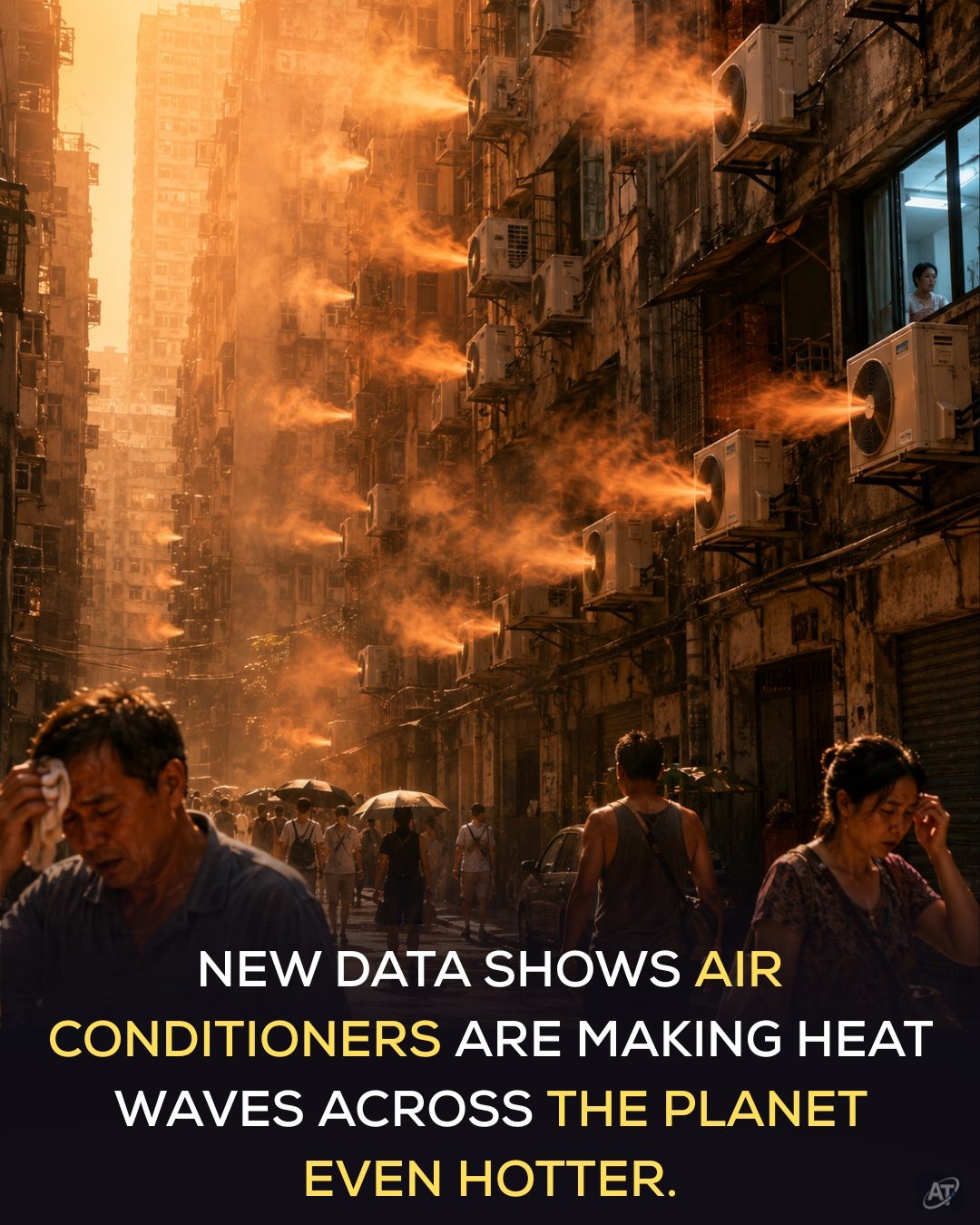
Air Conditioning and the Feedback Loop with Heat Waves
Air conditioning, a modern necessity especially during intense heat waves, plays a critical role in saving lives. Yet, there's an uncomfortable truth: the way we cool ourselves can also contribute to the warming that makes cooling more necessary.
Why This Matters
As heat waves become more intense and frequent, air conditioning is no longer just a comfort; it's a life-saving necessity for vulnerable populations like older adults, children, outdoor workers, and those with health conditions. These groups are particularly susceptible to heat exhaustion and heat stroke. The challenge, then, is not to stop using air conditioning, but to find ways to cool people without exacerbating the global warming problem.
The Global Impact of Air Conditioning
Energy Consumption and Emissions
Air conditioning already accounts for a significant portion of global energy use and greenhouse gas emissions. According to Our World in Data, air conditioning uses about 7% of global electricity and is responsible for around 3% of global greenhouse gas emissions. The International Energy Agency has also highlighted that rising demand for cooling will put considerable pressure on future electricity systems. This demand is driven by both the increasing frequency and intensity of heat waves, as well as the growing global population and urbanization.
The Twofold Climate Problem
The impact of air conditioning on the climate is twofold. First, air conditioning units require electricity to operate. If this power is generated from fossil fuels, then every hot day can lead to increased emissions. Second, many cooling systems use refrigerants that, if leaked or not properly disposed of, can be powerful greenhouse gases. The United Nations has warned that emissions from air conditioning and refrigeration are expected to rise sharply without policies that promote cleaner cooling.
The Feedback Loop
The feedback loop is clear: as the planet gets hotter, more people need cooling. This increased demand for cooling requires more energy, which can then lead to more emissions. This cycle makes the heat problem even harder to solve. However, blaming individuals for using air conditioning during heat waves misses the point. People should not have to risk their health to prove they care about climate change.
Cooling Solutions: Smarter, Efficient, and Sustainable
Cleaner Electricity
One of the most effective ways to reduce the environmental impact of air conditioning is to switch to cleaner electricity sources. This means investing in renewable energy sources like solar, wind, and hydro power. By powering air conditioning units with clean energy, we can significantly reduce the emissions associated with cooling.
Efficient AC Units
Efficiency is key when it comes to air conditioning. Modern units are designed to be more energy-efficient, using less electricity to achieve the same cooling effect. Regular maintenance and proper usage can also enhance the efficiency of existing units. For example, ensuring that filters are clean and that the unit is properly sized for the space can make a big difference.
Better Insulation and Building Design
Proper insulation and building design can greatly reduce the need for air conditioning. Well-insulated homes and buildings retain cool air more effectively, reducing the workload on air conditioning units. In addition, reflective roofs and shaded buildings can help keep indoor temperatures lower, making cooling more manageable.
Safer Refrigerants
The choice of refrigerant in air conditioning systems can also impact the environment. Traditional refrigerants like hydrofluorocarbons (HFCs) are potent greenhouse gases. Switching to safer, more environmentally friendly refrigerants can mitigate this impact. This is particularly important as older units are retired and new ones are installed.
Urban Green Spaces
Urban green spaces, such as parks and gardens, can provide natural cooling. Trees and vegetation absorb heat and release moisture, creating a cooling effect in urban areas. Integrating more green spaces into urban planning can help reduce the urban heat island effect, making cities more comfortable and reducing the reliance on air conditioning.
Practical Tips for More Sustainable Cooling
-
Upgrade to Energy-Efficient Units: If you're in the market for a new air conditioning unit, look for models with high Energy Star ratings. These units are designed to be more energy-efficient, saving you money on electricity bills and reducing your carbon footprint.
-
Regular Maintenance: Regular maintenance, including cleaning or replacing filters, can keep your air conditioning unit running efficiently. A well-maintained unit uses less energy to cool the same space.
-
Natural Cooling Techniques: Consider using natural cooling techniques, such as cross-ventilation and shading. Opening windows at night to let in cooler air, and keeping windows and doors closed during the day to trap the cool air, can help reduce the need for air conditioning.
-
Smart Thermostats: Use smart thermostats to regulate your cooling. These devices can learn your cooling patterns and adjust the temperature accordingly, saving energy and reducing costs.
-
Insulation and Sealing: Proper insulation and sealing of your home can keep the cool air inside and the hot air outside. This reduces the workload on your air conditioning unit and makes your home more comfortable.
Important Takeaways
Air conditioning is a necessary tool for staying cool during heat waves, but its widespread use poses significant environmental challenges. By focusing on cleaner energy sources, more efficient units, and sustainable building practices, we can reduce the environmental impact of cooling. The goal is to build homes, cities, and energy systems where staying cool does not contribute to the climate crisis. This requires a holistic approach that includes energy efficiency, sustainable practices, and smart urban planning.
Conclusion
The relationship between air conditioning and global warming is complex. As heat waves become more frequent and intense, it's important to find ways to cool people without making the climate crisis worse. By addressing the feedback loop and focusing on sustainable cooling solutions, we can make a significant difference. The answer is not to stop using air conditioning but to use it smarter, ensuring that our quest for comfort does not come at the expense of the planet.
Watch the Reel
Questions readers ask
How does air conditioning contribute to global warming?
Air conditioning contributes to global warming primarily through increased energy consumption and greenhouse gas emissions. As demand for cooling rises, more electricity is needed, often generated by burning fossil fuels, which releases heat-trapping gases into the atmosphere. Additionally, some cooling systems use refrigerant gases that, if leaked, can be potent greenhouse gases.
Who is most affected by the increased use of air conditioning during heat waves?
Vulnerable populations, such as older adults, children, outdoor workers, and individuals with health conditions, are most affected. These groups are particularly susceptible to heat exhaustion and heat stroke, making air conditioning a vital necessity for their safety and well-being during intense heat waves.
What is the feedback loop between air conditioning and heat waves?
The feedback loop occurs when increased air conditioning use leads to higher energy consumption and emissions, which in turn exacerbate global warming. This warming makes heat waves more frequent and intense, driving up the demand for air conditioning even further and creating a vicious cycle.
Why is it important to address the energy use of cooling systems?
Addressing the energy use of cooling systems is crucial because they significantly contribute to peak electricity demand, which can strain power grids. By improving the energy efficiency of cooling systems and exploring more sustainable cooling solutions, we can reduce the environmental impact and help mitigate the effects of global warming.
What are some sustainable cooling solutions that can help reduce the environmental impact of air conditioning?
Sustainable cooling solutions include using energy-efficient air conditioning units, implementing passive cooling techniques like shading and natural ventilation, and utilizing renewable energy sources for power. Additionally, adopting smart building designs and retrofitting existing structures can help reduce the overall demand for cooling.
How does the demand for air conditioning affect the global energy landscape?
The demand for air conditioning significantly increases electricity demand, especially during peak hours. This surge in demand can lead to higher greenhouse gas emissions if not managed properly, as power plants may need to generate more electricity, often by burning fossil fuels. This makes it imperative to find ways to meet this demand in a more sustainable manner.
What role do policy and innovation play in addressing the environmental impact of air conditioning?
Policy and innovation play a critical role in addressing the environmental impact of air conditioning. Policies that promote energy efficiency standards and incentives for sustainable cooling solutions can drive change. Meanwhile, innovation in cooling technologies, such as developing more efficient refrigerants and advanced cooling systems, can help mitigate the environmental footprint of air conditioning.
Related deep dives
Similar reads based on topic and creator.



Recent articles
Fresh deep dives from the latest Reels we unpacked.




Comments
Be the first to comment.