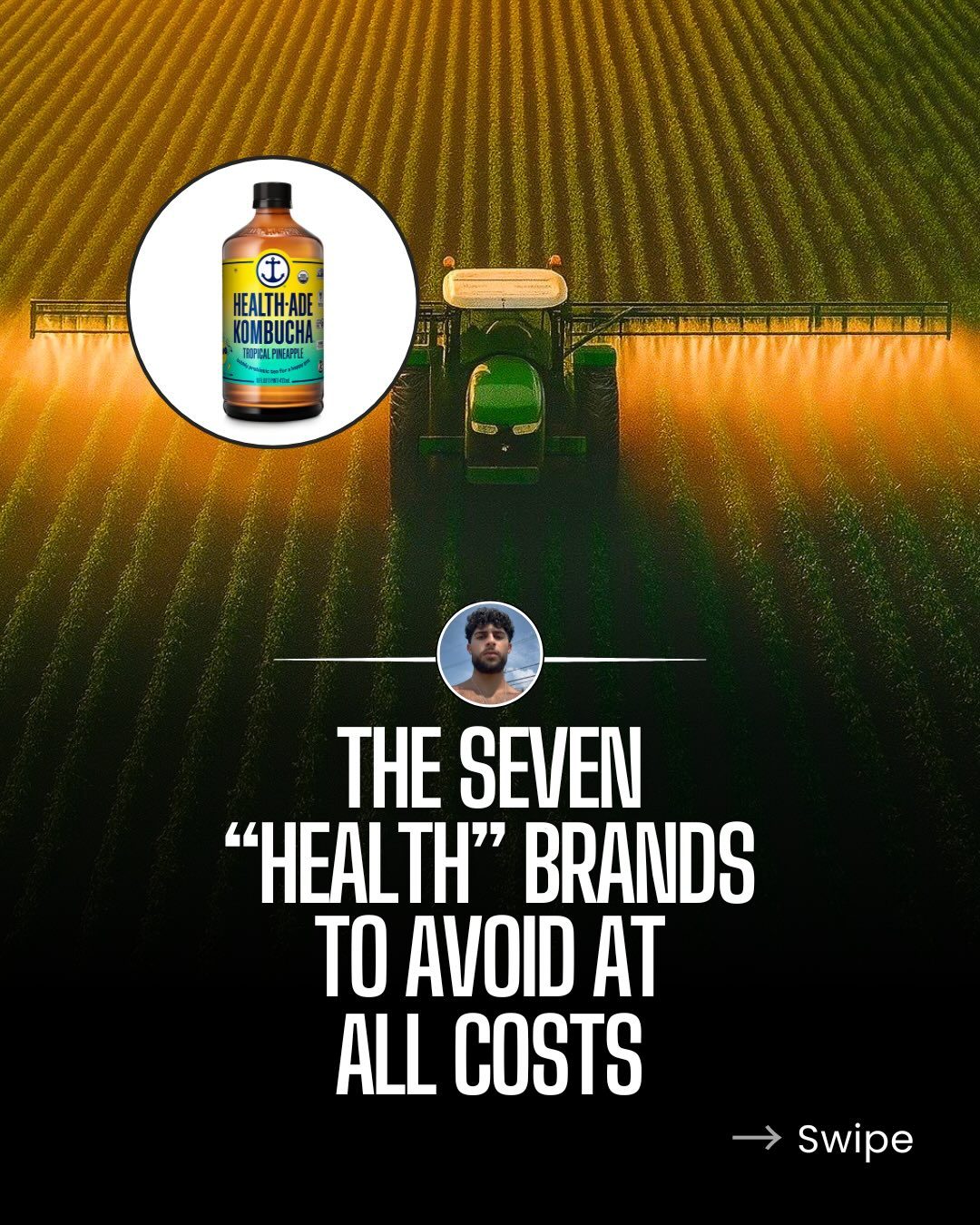
Uncovering Hidden Concerns in Popular "Health" Brands
From kombucha to yogurt, many consumers turn to seemingly healthy brands for their daily needs. However, recent scrutiny has revealed some unsettling truths about these products. Several popular brands, once considered paragons of health, have come under fire for various contaminants and questionable practices. Let's dive into the details and explore what consumers should know.
Why This Matters
In an era where health-conscious consumers are increasingly mindful of what they put into their bodies, the revelation of harmful contaminants in widely trusted brands is alarming. Understanding the potential risks associated with these products is crucial for making informed choices and safeguarding personal well-being.
Deep Dive into the Contaminants
Health-Ade Kombucha
Kombucha has gained popularity as a health beverage, often praised for its probiotic benefits and refreshing taste. However, recent findings suggest that some brands may not be as clean as they claim. Health-Ade, a well-known kombucha brand, has been flagged for containing per- and polyfluoroalkyl substances (PFAS). These "forever chemicals" are linked to various health issues, including immune system problems and certain cancers. It's essential to be cautious and opt for brands that can guarantee PFAS-free products.
Chobani Greek Yogurt
Chobani Greek yogurt has long been a staple in many health-conscious households, celebrated for its high protein content and natural ingredients. Unfortunately, some of its products have been found to contain phthalates, a group of chemicals used in various manufacturing processes. Phthalates have been associated with reproductive issues, developmental problems, and other health concerns. Although Chobani has taken steps to address these issues, consumers should remain vigilant and consider alternatives if necessary.
Kerrygold
Kerrygold is another beloved brand, particularly for its butter and cheese products. However, there have been concerns about the presence of PFAS in its packaging. These chemicals, known for their persistence in the environment, have raised alarms about potential health risks. While Kerrygold has not explicitly confirmed these findings, the possibility of exposure through packaging is a valid concern for consumers.
Vital Farms Eggs
Vital Farms is known for its pasture-raised, organic eggs, which many believe to be a healthier alternative to conventional eggs. However, recent claims suggest that the chickens may be fed corn and soy, which is counter to the ethical and nutritional standards that many consumers expect. Pasture-raised chickens are typically fed a more natural, varied diet. Consumers who value transparency and ethical practices should seek confirmation from the brand or consider other sources if they cannot verify the feeding practices.
Hello Activated Charcoal Toothpaste
Hello is celebrated for its fluoride-free, naturally friendly toothpaste and mouthwash, particularly the activated charcoal varieties. However, recent findings suggest that some of these products contain lead, a highly toxic metal that can cause severe health issues, including neurological damage and developmental problems. Lead contamination is a significant concern, and it underscores the importance of rigorous testing and transparency in product manufacturing.
Pom Wonderful
Pom Wonderful has long been synonymous with healthy beverages, particularly its pomegranate juice. However, it has been found to contain herbicide residues, which are commonly associated with pesticides. These residues can pose health risks, especially with long-term exposure. While Pom Wonderful has implemented measures to mitigate these contaminants, consumers should remain cautious and consider other brands that prioritize pesticide-free practices.
Dave’s Killer Bread
Dave’s Killer Bread has earned a reputation for its organic, non-GMO offerings. However, some of its bread products have been found to contain glyphosate residues. Glyphosate, a widely used herbicide, has been linked to various health issues, including cancer and endocrine disruption. While the brand has taken steps to address these concerns, consumers should remain vigilant and seek out bread products that can guarantee glyphosate-free ingredients.
Practical Tips
When navigating the landscape of health-conscious products, it's essential to stay informed and proactive. Here are some practical tips to help you make healthier choices:
Always Check Labels
Scrutinize product labels for any signs of potential contaminants. Look for certifications and seals that indicate the product has been tested for harmful substances.
Research Brands
Before purchasing, research the brand's practices and policies regarding contaminant testing and transparency. Seek out brands that prioritize clean, safe ingredients and ethical practices.
Seek Transparency
Engage with brands directly to inquire about their testing protocols and sourcing practices. Transparent brands will be open to sharing this information and can provide reassurance about their product safety.
Diversify Your Sources
Don't rely on a single brand for all your health needs. Diversifying your product sources can help minimize exposure to potential contaminants and provide a broader range of health benefits.
Look for Third-Party Certifications
Brands that carry third-party certifications, such as USDA Organic, Non-GMO Project Verified, or NSF International, are more likely to adhere to rigorous standards and testing protocols.
Important Takeaways
The Importance of Transparency
Transparency in product manufacturing and sourcing is crucial for building consumer trust. Brands that are open about their practices and testing processes can provide reassurance to health-conscious consumers.
The Role of Consumer Advocacy
Consumers play a vital role in holding brands accountable for their practices. By staying informed, asking questions, and demanding transparency, consumers can drive positive change in the industry.
The Need for Rigorous Testing
Rigorous testing for contaminants is essential for ensuring product safety. Brands should prioritize thorough testing protocols to safeguard their consumers and maintain their reputation.
Conclusion
The health and wellness industry is filled with opportunities and challenges. The revelation of contaminants in popular "health" brands serves as a reminder to remain vigilant and informed. By staying proactive, consumers can make choices that align with their health goals and support brands that prioritize safety and transparency. Knowledge is power, and in the quest for better health, understanding the potential risks and benefits of the products we consume is paramount.
Watch the Reel
Questions readers ask
What are PFAS and why are they a concern in kombucha?
PFAS, or per- and polyfluoroalkyl substances, are a group of man-made chemicals used in various products to resist heat, grease, and water. In kombucha, PFAS can leach from packaging materials. Chronic exposure to PFAS has been linked to serious health issues, including immune system effects, increased cholesterol levels, changes in hormone levels, and increased risk of certain cancers.
Which popular yogurt brand has been found to contain phthalates?
Chobani Greek Yogurt is one of the brands that has raised concerns due to the presence of phthalates. Phthalates are chemicals used to make plastics more flexible and harder to break. They can interfere with hormone function and have been linked to various health issues, including reproductive problems and developmental issues in children.
What specific health risks are associated with phthalates in yogurt?
Phthalates in yogurt can pose several health risks. They are known to be endocrine disruptors, which means they can interfere with the body's hormonal systems. This disruption can lead to issues such as reduced fertility, early puberty, and even increased risk of certain types of cancer. Additionally, exposure to phthalates has been linked to developmental and reproductive problems in children and adults.
How can consumers protect themselves from these contaminants?
Consumers can take several steps to protect themselves. Firstly, stay informed about the brands and products that have been flagged for contaminants. Opt for brands that prioritize transparency and have robust testing procedures. Additionally, choose products with minimal packaging, as this can reduce the risk of chemical leaching. Lastly, consider reaching out to manufacturers for more information about their ingredients and packaging materials.
Are there any safe health brands that consumers can trust?
While it's challenging to guarantee that any brand is completely free from contaminants, some brands prioritize transparency and safety. Look for brands that conduct regular testing for contaminants, use high-quality, non-toxic packaging, and have a strong commitment to consumer health. Always check product labels and consider reaching out to the company for more information on their practices and testing protocols.
What are the potential health risks associated with PFAS in kombucha?
The potential health risks of PFAS in kombucha are significant. PFAS are known to accumulate in the body over time and can lead to a variety of health problems. Exposure to PFAS has been associated with an increased risk of certain cancers, immune system dysfunction, thyroid problems, and developmental issues in children. Long-term exposure can also impact the liver and kidneys.
How can consumers identify potential contaminants in health foods?
Identifying potential contaminants in health foods can be challenging, but there are some steps consumers can take. Look for products with clear and comprehensive ingredient lists and avoid those with vague or ambiguous terms. Research the brands to see if they have had any recalls or controversies related to contaminants. Additionally, check for certifications and third-party testing that indicates the product has been screened for harmful substances.
Recent articles
Fresh deep dives from the latest Reels we unpacked.




Comments
Be the first to comment.