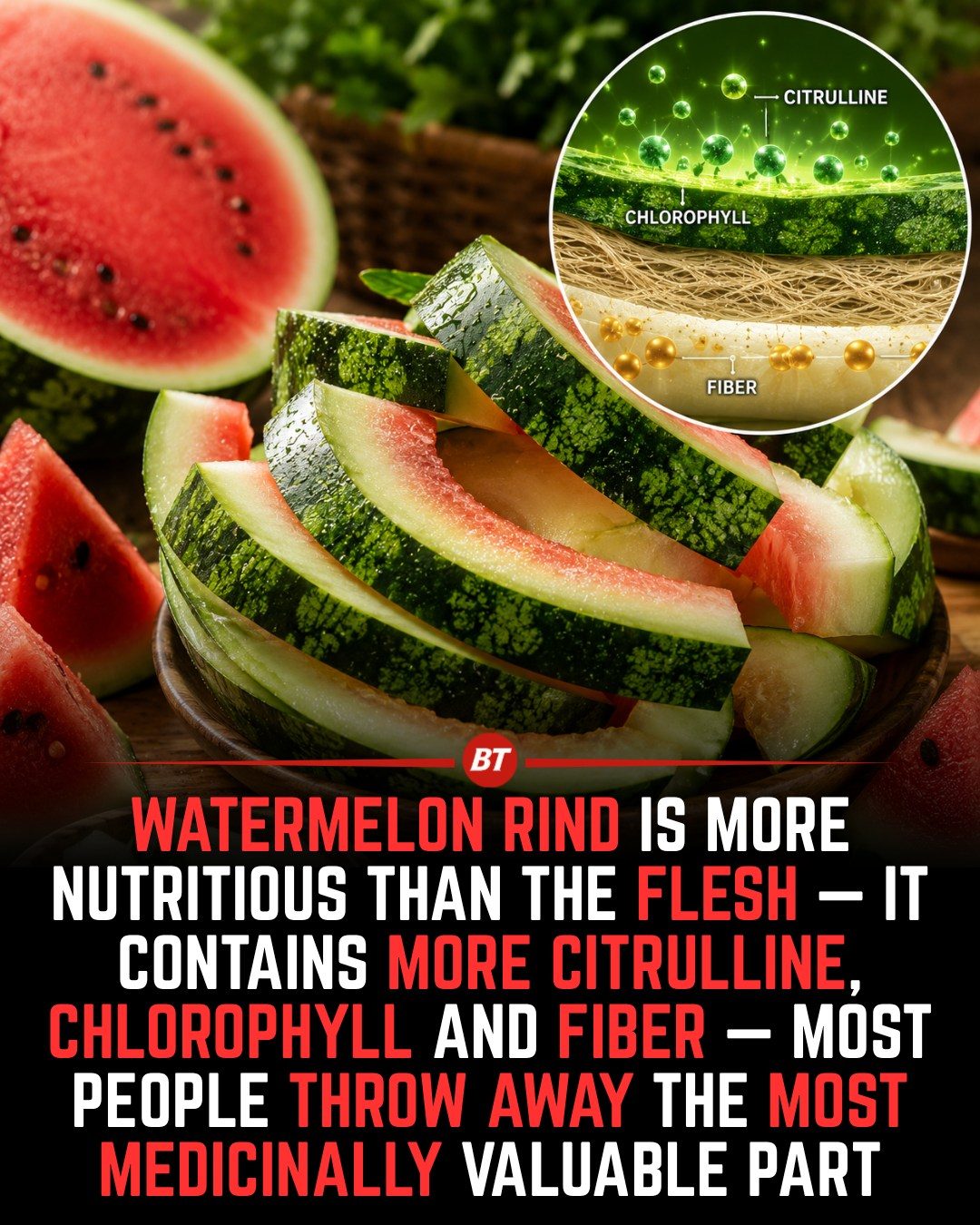
Watermelon Rind: A Nutritional Powerhouse
Watermelon is a beloved summer fruit, known for its juicy, sweet pink flesh. But did you know that the part most people discard—the white rind—is packed with valuable nutrients? The rind, which lies just beneath the green skin, contains high amounts of citrulline, dietary fiber, and chlorophyll. These nutrients support cardiovascular health, digestive regularity, and overall cellular health.
Why This Matters
In a world where food waste is a growing concern, understanding the nutritional value of watermelon rind can help reduce waste and enhance our diets. The rind's high concentration of citrulline, an amino acid, makes it a natural supplement for supporting exercise performance and blood flow. Additionally, its fiber content aids in digestive health, while chlorophyll and other antioxidants contribute to overall wellness.
Main Discussion
The Power of Citrulline
Citrulline is a non-essential amino acid that plays a crucial role in the body. It is converted into arginine, which then forms nitric oxide. Nitric oxide helps relax blood vessels, promoting better circulation and supporting cardiovascular health. Research indicates that watermelon rind is one of the richest natural sources of citrulline, with levels even higher than in the red flesh. This discovery has sparked interest in using watermelon rind to enhance exercise performance, blood flow, and metabolic health.
Health Benefits of Chlorophyll
Chlorophyll, the pigment that gives plants their green color, is also found in the rind. Known for its antioxidant properties, chlorophyll can help protect cells from damage and support overall cellular health. Additionally, chlorophyll has been linked to improved digestion and detoxification processes in the body.
The Role of Dietary Fiber
Dietary fiber is essential for maintaining a healthy gut. The rind of the watermelon provides a notable amount of this fiber, which helps nourish beneficial gut bacteria and supports digestive regularity. A diet rich in fiber can also contribute to better blood sugar control and weight management, making watermelon rind a valuable addition to any diet.
Cultural Use of Watermelon Rind
Many cultures around the world have long recognized the value of watermelon rind and have incorporated it into their culinary traditions. The rind can be pickled, juiced, or stir-fried, providing a delicious and nutritious way to use the entire fruit. By embracing these practices, we can not only reduce food waste but also enjoy the health benefits of the rind.
Scientific Studies and Findings
Several studies have confirmed the nutritional benefits of watermelon rind. Researchers have found that the rind contains higher concentrations of citrulline than the red flesh, making it a potent natural source of this amino acid. These findings have led to further exploration of the rind's potential in supporting various health aspects, including cardiovascular function and metabolic health.
Practical Tips
Incorporating watermelon rind into your diet can be surprisingly simple. Here are a few practical tips to get you started:
Preparation Tips
- Peel the Green Skin: First, remove the tough green outer skin of the watermelon. The white rind just beneath the skin is the part you want to use.
- Rinse Thoroughly: Make sure to rinse the rind thoroughly to remove any residues.
- Choose Fresh Watermelons: Opt for fresh, organic watermelons to ensure the highest nutritional value.
Culinary Ideas
- Smoothies and Juices: Blend the rind into smoothies or fresh juices for a nutritious boost.
- Salads: Add thinly sliced or grated rind to salads for a crunchy, refreshing addition.
- Pickles: Pickle the rind to preserve it and enjoy its benefits over a longer period.
- Stir-Fries: Stir-fry the rind with vegetables and your choice of protein for a unique and healthy meal.
Storage Tips
- Refrigerate Promptly: After preparation, store the rind in an airtight container in the refrigerator to maintain freshness.
- Freeze for Long-term Use: If you prefer to store the rind for extended periods, freezing it is a good option. Simply cut it into smaller pieces and place in a freezer bag.
Important Takeaways
The watermelon rind is more than just a by-product of enjoying the juicy flesh. It is a nutrient-rich part of the fruit that offers a range of health benefits. By incorporating the rind into your diet, you can enhance your nutritional intake, reduce food waste, and enjoy the benefits of citrulline, chlorophyll, and dietary fiber. Whether you choose to pickle, juice, or stir-fry the rind, there are numerous ways to make it a part of your culinary routine.
Conclusion
The next time you enjoy a slice of watermelon, consider the benefits of the rind. This often-discarded part of the fruit is a treasure trove of nutrients that support both cardiovascular and digestive health. By embracing the rind, you can enhance your diet and contribute to a more sustainable approach to food. So, peel, dice, and enjoy the nutritional powerhouse that is watermelon rind.
Watch the Reel
Questions readers ask
What is citrulline and how does it benefit my health?
Citrulline is an amino acid found in high concentrations in watermelon rind. It plays a crucial role in supporting cardiovascular health by helping to produce nitric oxide, which promotes healthy blood flow. This can assist in reducing blood pressure and improving exercise performance.
How can watermelon rind support my digestive health?
Watermelon rind is rich in dietary fiber, which aids in promoting regular bowel movements and preventing constipation. Including watermelon rind in your diet can help maintain a healthy digestive system by supporting the growth of beneficial gut bacteria.
Can eating watermelon rind help with detoxification?
Yes, the chlorophyll present in watermelon rind acts as a powerful antioxidant, helping to protect cells from damage caused by harmful molecules called free radicals. This process can support the body's natural detoxification processes and contribute to overall health.
What are some simple ways to incorporate watermelon rind into my meals?
Watermelon rind can be used in a variety of recipes. You can pickle, stir-fry or sauté the rind for a unique twist on traditional dishes. It can also be added to smoothies or blended to make refreshing beverages. However, always ensure that the rind is washed and the green skin is removed before consumption.
Is it safe to eat the green skin of the watermelon?
No, the green skin of the watermelon should not be consumed as it is tough and difficult to digest. Additionally, it may contain residues of pesticides or other chemicals used in the farming process. Always remove the green skin and thoroughly wash the white rind before using it in meals.
How does watermelon rind contribute to heart health?
The citrulline in watermelon rind supports heart health by increasing the production of nitric oxide, which helps to relax and widen blood vessels. This can lead to improved blood flow, reduced blood pressure, and a lower risk of heart-related issues. Regular consumption of watermelon rind may therefore contribute to a healthier cardiovascular system.
Are there any other nutrients in watermelon rind besides citrulline and fiber?
In addition to citrulline and fiber, watermelon rind contains various vitamins and minerals, including vitamin C, vitamin A, and potassium. It also provides a small amount of protein. These nutrients contribute to overall health and well-being, making the rind a valuable addition to a balanced diet.
Related deep dives
Similar reads based on topic and creator.




Recent articles
Fresh deep dives from the latest Reels we unpacked.




Comments
Be the first to comment.