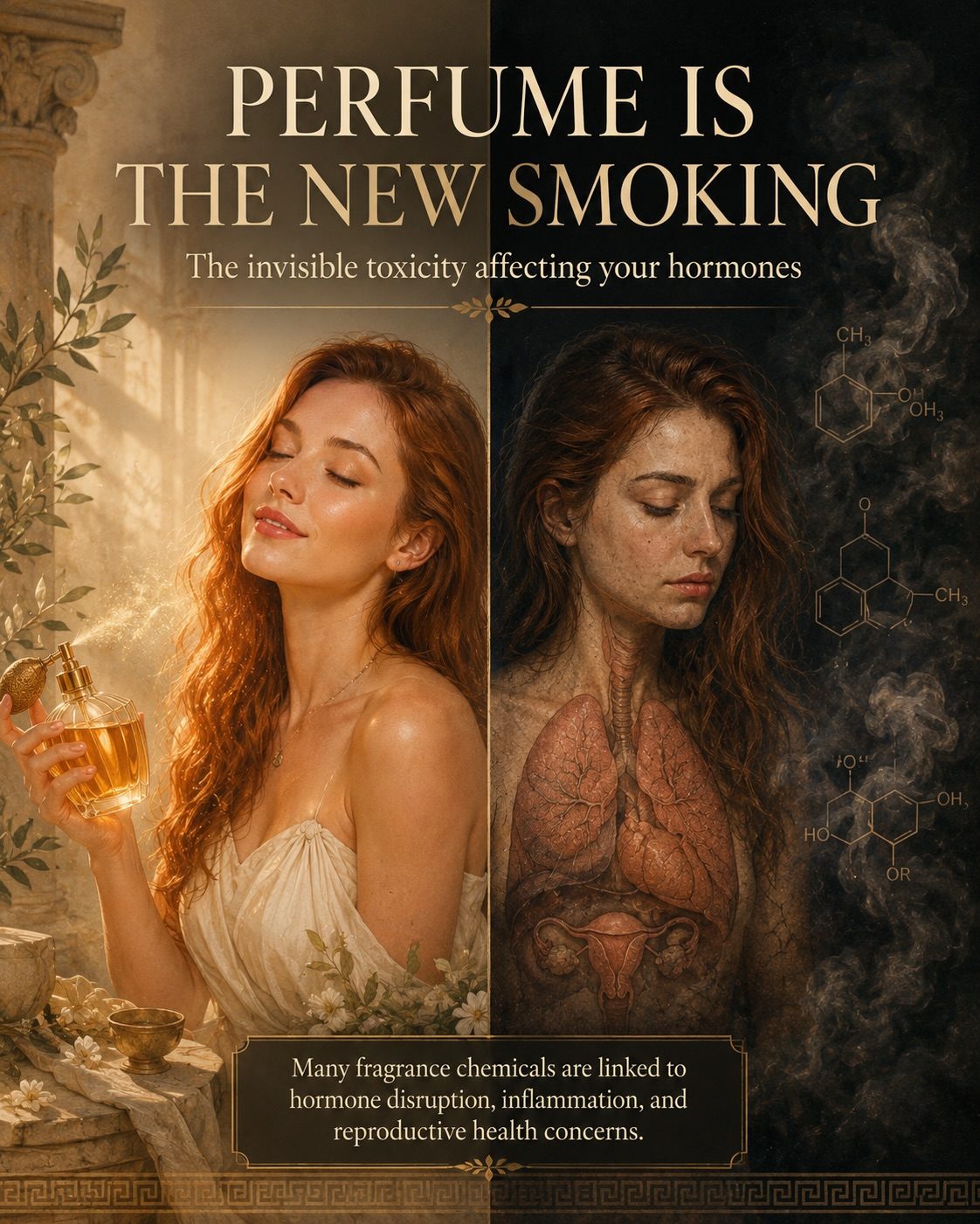
Perfume and Hormones
Perfume is more than just a pleasant scent; it's a complex blend of chemicals that can have significant effects on the body. Many of these chemicals are linked to hormone disruption, inflammation, and reproductive health concerns. This is a critical issue, as perfumes and other fragranced products are used daily by many people, often without a second thought to their potential health impacts.
Why This Matters
In today's beauty culture, fragrance is ubiquitous. From perfumes and candles to detergents and hair products, these scented items are integrated into our daily routines. However, many people are unaware of the potential health risks associated with the chemicals used in these products. These fragrance chemicals can act as endocrine disruptors, which means they can interfere with the body's hormone systems. This disruption can lead to a variety of health issues, including reproductive problems, developmental issues, and even cancer.
Main Discussion
Understanding Fragrance Chemicals
Fragrance chemicals are often undisclosed ingredients in many consumer products. The term "fragrance" on a product label can hide a cocktail of chemicals, some of which are known to be harmful. Common chemicals found in fragrance include:
- Phthalates (DEP, DBP): These are often used to make fragrances last longer. They are linked to endocrine disruption and reproductive health issues.
- Synthetic musks: These are used to mimic natural musk scents. Some synthetic musks are suspected of being endocrine disruptors and may accumulate in the body.
- Parabens: These are preservatives used to prevent bacterial growth. They are known to mimic estrogen in the body and have been linked to breast cancer and reproductive issues.
- Benzene derivatives: These are used in various fragrances and are known to cause respiratory irritation and other health problems.
The Impact on the Body
Chronic exposure to these chemicals can have serious health implications. Your body was never designed for constant chemical exposure. The continuous presence of these chemicals in your daily products can lead to increased inflammation and nervous system stress. Over time, this can manifest in various health issues, including hormone imbalances, reproductive problems, and even neurological disorders.
The Hidden Risks
Many people are unaware of the potential health risks associated with fragrance chemicals. This is partly because these chemicals are often not disclosed on product labels. The term "fragrance" can encompass a wide range of chemicals, making it difficult for consumers to know what they are being exposed to. This lack of transparency is a significant issue, as it means that people are often unknowingly exposing themselves to potential health risks.
Practical Tips
If you want to reduce your exposure to fragrance chemicals, consider the following tips:
- Read Labels: Look for products that are free from fragrances and have transparent ingredient lists. Avoid products that simply list "fragrance" as an ingredient.
- Choose Natural Products: Opt for products that use natural fragrances, such as essential oils. These are generally safer and less likely to contain harmful chemicals.
- DIY Solutions: Consider making your own cleaning and beauty products using natural ingredients. This way, you know exactly what you are putting on and in your body.
- Air Quality: Ensure good ventilation in your home to help reduce the buildup of fragrance chemicals. This is particularly important in areas where you use products that contain fragrances, such as the bathroom and laundry room.
- Gradual Change: Transitioning to fragrance-free products can take time, so start by replacing one product at a time.
Important Takeaways
The use of fragrance chemicals in perfumes and other products is a significant health concern. These chemicals can act as endocrine disruptors, leading to a range of health issues. It is important to be aware of the potential risks and to question the products you use daily. By making informed choices and opting for fragrance-free or naturally scented products, you can reduce your exposure to these harmful chemicals and support your overall health.
Conclusion
Your body is constantly responding to its environment, and the products you use every day can have a significant impact on your health. By being aware of the potential risks associated with fragrance chemicals and making informed choices, you can support your body's natural processes without compromising your health. It's about taking control of your environment and choosing products that support beauty without compromising health.
Watch the Reel
Questions readers ask
What are some common symptoms of hormone disruption caused by fragrance chemicals?
Symptoms of hormone disruption from fragrance chemicals can vary, but often include fatigue, mood swings, and reproductive issues. In some cases, more severe symptoms like inflammation and even certain types of cancer have been linked to prolonged exposure. If you experience these symptoms, it's important to consult with a healthcare provider and consider reducing your exposure to fragranced products.
How can I identify products that contain harmful fragrance chemicals?
Many products do not fully disclose their fragrance ingredients due to trade secret laws. To identify potential hazards, look for products labeled 'fragrance-free' or 'unscented.' Additionally, opt for products with transparent ingredient lists, and consider those certified by reputable organizations that adhere to strict safety standards.
What are some safe alternatives to fragranced beauty products?
To minimize exposure to harmful fragrance chemicals, choose products that are clearly labeled as 'fragrance-free' or 'unscented.' Essential oil-based products can also be a good option, as long as you are not sensitive to the specific oils used. Always opt for products with transparent and minimal ingredient lists to help ensure safety.
Are fragrance chemicals in detergents as concerning as those in personal care products?
Yes, fragrance chemicals in detergents can pose similar health risks. Many detergents contain undisclosed ingredients that can disrupt hormones and cause inflammation. Since laundry and cleaning products are used regularly, their impact on health can be significant, particularly if you have sensitive skin or respiratory issues.
How can I reduce my daily exposure to fragrance chemicals?
To reduce daily exposure, switch to fragrance-free or unscented products in all areas of your life, including personal care, cleaning, and home fragrance items. Increase ventilation when using scented products, and consider using natural alternatives like essential oils. Opt for products with clear ingredient lists and avoid those that simply label 'fragrance' without detailing specific components.
Can fragrance chemicals in beauty products affect men as well as women?
Yes, fragrance chemicals can affect anyone, regardless of gender. While some health issues, like reproductive problems, may be more commonly discussed in relation to women, men can also experience symptoms associated with hormone disruption, including inflammation and increased cancer risk. Everyone should be mindful of their exposure to these chemicals.
How do fragrance chemicals act as endocrine disruptors?
Fragrance chemicals can act as endocrine disruptors by mimicking or interfering with natural hormones in the body. This disruption can lead to various health issues, including changes in reproductive function, inflammation, and increased cancer risk. By understanding the potential for these chemicals to interfere with hormone function, consumers can make more informed choices about the products they use.
Related deep dives
Similar reads based on topic and creator.


Recent articles
Fresh deep dives from the latest Reels we unpacked.




Comments
Be the first to comment.