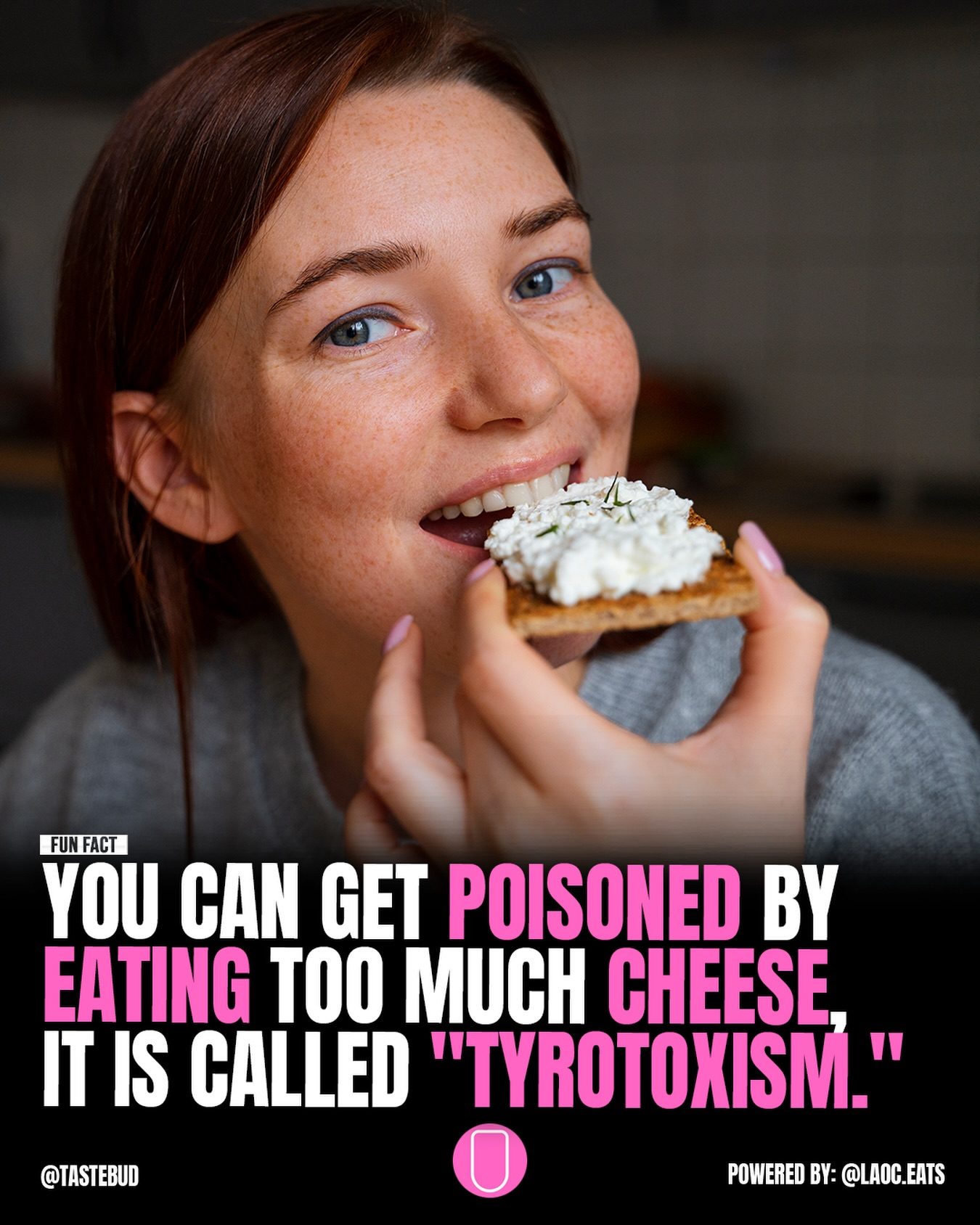
Cheese Consumption and Health
Cheese is a beloved staple in many diets, enjoyed for its rich flavor and versatility in various dishes. However, while cheese can be a delicious addition to meals, it's important to be aware of the potential health risks associated with excessive consumption, particularly a condition known as tyrotoxism. This condition has historical roots and is linked to the consumption of contaminated dairy products.
Context / Why this matters
Historically, outbreaks of food poisoning linked to dairy products, including cheese, were common in the late 1800s, especially in the United States. These incidents, known as tyrotoxism, were primarily caused by bacterial contamination in spoiled dairy products. The lack of refrigeration and sanitation standards during this period exacerbated the problem, making it a significant public health concern. It wasn't until the early 1900s that the rise of pasteurization and modern food safety practices helped to largely eliminate these issues.
Main discussion
Understanding Tyrotoxism
Tyrotoxism is a term that refers to food poisoning caused by the consumption of contaminated dairy products, particularly those that have spoiled. The illness is the result of toxins produced by bacteria, which can thrive in milk, cheese, and ice cream if not properly stored or processed. Before the advent of pasteurization and modern food safety practices, tyrotoxism was a common and dangerous health issue.
The Role of Pasteurization
Pasteurization, a process that involves heating dairy products to a specific temperature to kill harmful bacteria, played a crucial role in mitigating the risks associated with tyrotoxism. By eliminating bacterial contamination, pasteurization made dairy products significantly safer for consumption. This process became widely adopted in the early 1900s, leading to a dramatic decrease in outbreaks of tyrotoxism and other dairy-related illnesses.
Modern Food Safety Practices
In addition to pasteurization, modern food safety practices have further reduced the risk of tyrotoxism and other forms of foodborne illness. These practices include strict regulations on food storage, handling, and processing. For instance, refrigeration helps to slow the growth of bacteria, while proper sanitation practices prevent cross-contamination. These measures ensure that dairy products, including cheese, are safe for consumption.
The Risk of Excessive Cheese Consumption
While modern food safety practices have significantly reduced the risk of tyrotoxism, excessive cheese consumption can still pose health risks. Eating too much cheese can lead to various health issues, including high blood pressure, high cholesterol, and weight gain. Additionally, some individuals may be allergic or intolerant to certain components in cheese, such as lactose or casein, which can cause digestive discomfort and other symptoms.
Practical tips
Choosing Safe Cheese
To minimize the risk of tyrotoxism and other foodborne illnesses, it's important to choose cheese that has been properly stored and processed. Always opt for cheese that is sold by reputable brands and has been stored at appropriate temperatures. Avoid cheese that has an unusual odor, discoloration, or mold growth.
Proper Storage and Handling
Proper storage and handling of cheese are essential to prevent bacterial contamination. Cheese should be stored in the refrigerator at a temperature below 40°F (4°C). It's also important to keep cheese in airtight containers to prevent it from drying out and to minimize the risk of cross-contamination. Always use clean utensils when handling cheese and avoid touching it with your hands.
Moderation Is Key
Eating cheese in moderation is another important factor. While cheese can be a part of a healthy diet, it's high in fat and sodium, which can contribute to various health issues if consumed in excess. Aim to limit your cheese intake to recommended portions and incorporate a variety of foods into your diet for a balanced approach to nutrition.
Important takeaways
Tyrotoxism is a historical health concern linked to the consumption of contaminated dairy products, particularly cheese. While modern food safety practices have significantly reduced the risk of tyrotoxism, it's still important to be aware of potential health risks associated with excessive cheese consumption.
Pasteurization and Food Safety
Pasteurization and modern food safety practices have played a crucial role in mitigating the risks of tyrotoxism and other foodborne illnesses. Choosing safe cheese, proper storage, and handling, and eating in moderation are essential practices for ensuring the safety and health benefits of cheese consumption.
Conclusion
Cheese is a delicious and versatile food that can be enjoyed as part of a healthy diet. However, it's important to be aware of the potential health risks associated with excessive consumption and contamination. By understanding the historical context of tyrotoxism and following modern food safety practices, you can enjoy cheese while minimizing health risks. Always choose safe cheese, store it properly, and consume it in moderation to reap the benefits of this beloved food without compromising your health.
Watch the Reel
Related deep dives
Similar reads based on topic and creator.


Recent articles
Fresh deep dives from the latest Reels we unpacked.




Comments
Be the first to comment.