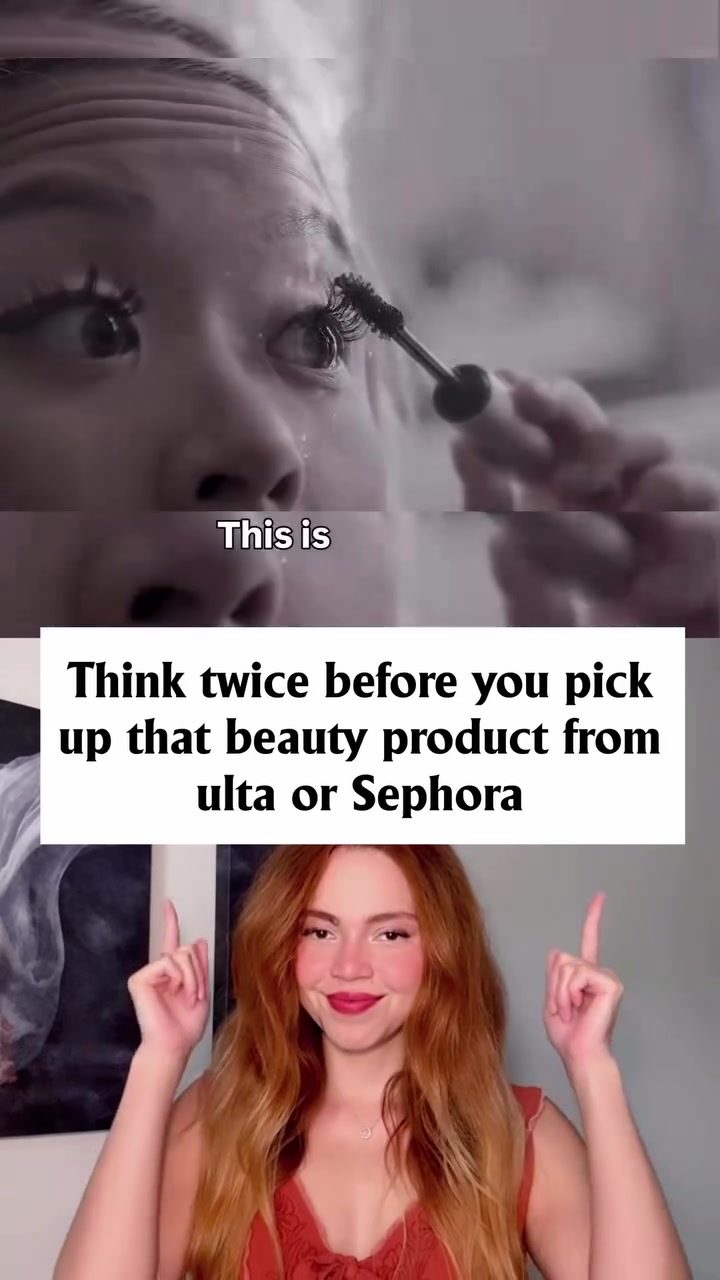
Beauty Products: Hidden Risks and the Push for Cleaner Choices
From synthetic fragrances to endocrine-disrupting chemicals, the beauty industry often includes ingredients that many people overlook. However, these compounds could potentially impact much more than just your hair and skin. The beauty industry has normalized the use of these substances, yet concerns over hormone imbalances, infertility, fatigue, hair loss, acne, and weight gain continue to rise.
Why this Matters
The cosmetics issue is deeper and broader than many realize. The beauty industry, in fact, has a list of thousands of different chemicals that are often present in the products we use daily. Many of these chemicals are the same ones that are dumped into rivers and end up in our bloodstreams. Conditions such as cancer, preterm birth, mercury poisoning, and endocrine disruption have all been linked to these chemicals.
The Hidden Dangers in Beauty Products
Cancer and Other Health Concerns
Many people are unaware of the potential health risks associated with long-term use of certain beauty products. Issues such as infertility and even cancer have been linked to the chemicals in makeup and hair care products. The cosmetics industry often claims that the amount of harmful chemicals in their products is minimal, but the cumulative effect over time can be significant.
For example, endocrine disruptors are chemicals that can interfere with the body's hormone systems. These disruptors can lead to a range of health problems, including infertility and hormonal imbalances. Unfortunately, the cosmetics industry often uses its own science to downplay the risks, making it difficult for consumers to make informed decisions.
The Lack of Regulation
Another major concern is the lack of strict regulations on the beauty industry. Wealthy corporations often resist regulations that could harm their profits. This means that consumers are often left in the dark about what they are actually putting on their skin and hair. The onus is put on the consumer to learn about these ingredients, which can be overwhelming and confusing.
The Importance of Choosing Cleaner Brands
Given the lack of regulation and transparency, it's essential to choose brands that prioritize consumer health. Companies like Veil Hair Care are taking steps to create products with ingredients that are recognizable and trustworthy. By choosing smaller, more conscious brands, consumers can reduce their exposure to harmful chemicals.
What to Look For
When shopping, look for products that are transparent about their ingredients. Avoid products with synthetic fragrances, as these can often contain a cocktail of undisclosed chemicals. Opt for brands that use natural, plant-based ingredients and are transparent about their sourcing and manufacturing processes.
Supporting Brands that Care
Supporting smaller, conscious brands not only benefits your health but also supports a more ethical and sustainable industry. These brands often prioritize quality over quantity and are more likely to be transparent about their ingredients and manufacturing processes.
Practical Tips for Safer Beauty Choices
Read Labels Carefully
Reading the labels on beauty products can help you avoid harmful chemicals. Look for products that are free from parabens, phthalates, and synthetic fragrances. These ingredients are often linked to various health issues and are best avoided.
Research Brands Thoroughly
Before purchasing a new beauty product, research the brand to ensure they prioritize consumer health. Look for reviews and testimonials from other users and check if the brand is transparent about their ingredients and manufacturing processes.
Consider DIY Alternatives
For those who want to avoid chemicals entirely, consider making your own beauty products using natural ingredients. DIY beauty products can be a fun and cost-effective way to ensure that you know exactly what you're putting on your skin and hair.
Important Takeaways
Every Choice Matters
Every small swap and every label matters when it comes to your beauty routine. By choosing products with recognizable and trustworthy ingredients, you can reduce your exposure to harmful chemicals and support a more ethical and sustainable industry.
Support Smaller, Conscious Brands
Supporting smaller, conscious brands can help drive the industry towards more ethical and sustainable practices. These brands often prioritize quality over quantity and are more likely to be transparent about their ingredients and manufacturing processes.
Take Action
Take the time to research and choose products that are safe and ethical. By making informed choices, you can support a healthier and more sustainable beauty industry.
Conclusion
The beauty industry is under scrutiny for its use of potentially harmful chemicals. By choosing cleaner, more intentional products, consumers can reduce their exposure to harmful chemicals and support a more ethical and sustainable industry. Every small swap matters, and by making informed choices, you can support a healthier and more sustainable beauty industry.
Watch the Reel
Questions readers ask
What are some common endocrine disruptors found in beauty products?
Endocrine disruptors in beauty products can include phthalates, parabens, and triclosan. These chemicals can mimic or interfere with hormones in the body, potentially leading to issues like hormonal imbalances, fertility problems, and even certain types of cancer. They are often found in products like nail polish, moisturizers, and antibacterial soaps.
How can I identify safer beauty products?
To identify safer beauty products, look for those labeled as 'clean' or 'non-toxic.' Check the ingredient list for any known harmful chemicals. Additionally, opt for products that are certified by organizations like the Environmental Working Group (EWG) or the Cosmetic Ingredient Review (CIR). These certifications can provide assurance that the product meets certain safety standards.
Why is the beauty industry largely unregulated?
The beauty industry is largely unregulated because the U.S. Food and Drug Administration (FDA) has limited authority over cosmetics. While the FDA can take action against products that are deemed unsafe, the burden of proving harm often falls on the consumer. This lack of regulation can make it challenging for consumers to know which products are safe to use.
What are some common carcinogens found in beauty products?
Some common carcinogens found in beauty products include formaldehyde, which can be released by preservatives like quaternium-15. Other potential carcinogens include toluene, which is found in some nail polishes, and lead, which can be present in lipsticks and other makeup products. These chemicals are concerning because they can potentially cause cancer with prolonged exposure.
How can I transition to a clean beauty routine?
Transitioning to a clean beauty routine involves gradually replacing your current products with cleaner alternatives. Start by identifying and removing products that contain known harmful chemicals. Look for natural hair care and skincare products, and consider using the EWG's Skin Deep database to research products. Additionally, prioritize products with clear, transparent labeling that lists all ingredients.
What steps can I take to advocate for more transparency in the beauty industry?
To advocate for more transparency in the beauty industry, start by supporting brands that prioritize safety and transparency. You can also write to your local representatives to express your concerns and push for stricter regulations. Joining advocacy groups and participating in campaigns that call for greater transparency and safer standards can also make a significant impact.
How do toxic chemicals in skincare products affect the environment?
Toxic chemicals in skincare products can harm the environment in several ways. When these chemicals are washed down the drain, they can contaminate waterways and affect aquatic life. Additionally, many of these chemicals are not biodegradable and can persist in the environment, potentially entering the food chain. The environmental impact is concerning because it affects not only wildlife but also human health through bioaccumulation.
Related deep dives
Similar reads based on topic and creator.

Recent articles
Fresh deep dives from the latest Reels we unpacked.




Comments
Be the first to comment.