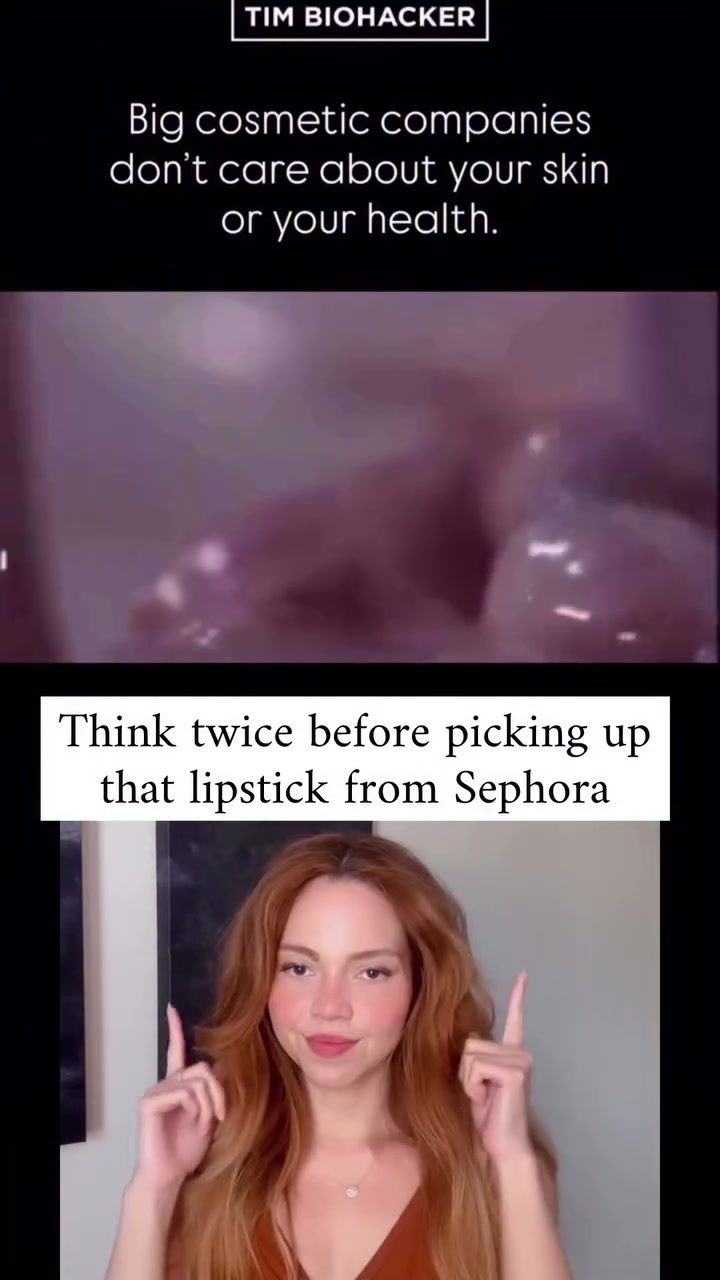
Cosmetics Ingredients: What We Need to Know
Lipstick, mascara, and lotions are staples in many daily routines, yet the ingredients in these products often go unquestioned. The reality is that many cosmetic ingredients have raised concerns about their potential impact on health. This discussion revolves around the potential risks of cosmetics ingredients, focusing on the insights provided by a natural cosmetic formulator and the concerns highlighted by an ex-formulator from a major cosmetic brand.
Why This Matters
The cosmetics industry is vast and profitable, but the ingredients used in many products have come under scrutiny for their potential health risks. From lipstick to skincare, the chemicals found in these products can have serious implications for users. Understanding these concerns and making informed choices is crucial for maintaining both beauty and health.
The Hidden Dangers of Cosmetic Chemicals
The Cosmetic Industry's Chemicals Problem
The cosmetics industry employs thousands of different chemicals, many of which are associated with significant health risks. An ex-formulator from one of the world's largest cosmetic brands revealed that the industry is destroying women's cells. This raises alarming questions about the long-term effects of these chemicals on our bodies. The cosmetics issue is even more concerning than the tobacco industry because of the sheer number of chemicals involved.
Toxic Chemicals in Cosmetics
The same chemicals found in cosmetic products are also those dumped into rivers and run through our blood. This highlights the toxicity of these substances and their potential to cause harm not just externally, but also internally. For some of these chemicals, millions of children will be affected before they are deemed toxic. This suggests a dire need for more stringent regulations and greater transparency in the cosmetic industry.
Potential Health Risks
Reproductive Problems and Hormonal Disruption
The use of chemicals in skincare, hair, and feminine care products has been linked to reproductive problems and hormonal disruption. These issues can have long-lasting effects on both women and children. The synthetic compounds used in cosmetic products are often cheaper, last longer, and are more convenient, but they come at a significant health cost.
The Solution: Choosing Natural Products
Benefits of Natural Cosmetics
Natural hair care, skin care, and makeup can enhance beauty without compromising health. These products are formulated with ingredients that support healthy hair, skin, and overall wellness. By choosing natural products, consumers can avoid the harmful effects of synthetic compounds and take better care of their health.
The Role of Synthetic Compounds
Synthetic compounds are used in the cosmetic industry primarily because they are cheaper, last longer, and are more convenient. However, there is no need to use these compounds; natural alternatives can achieve the same results without the health risks. This is why many cosmetic formulators are turning to natural ingredients to create products that are both effective and safe.
Practical Tips for Choosing Safer Cosmetics
Read Labels
Always read the labels of cosmetic products to understand the ingredients they contain. Look for natural ingredients and avoid products with a long list of synthetic compounds.
Research Brands
Choose brands that prioritize natural ingredients and transparency. Brands like Veil Hair Care are committed to using carefully curated, handcrafted, natural hair care products that support healthy hair and scalp wellness.
Opt for Natural Alternatives
When possible, opt for natural alternatives to synthetic compounds. Natural products can be just as effective and are often gentler on the skin and hair.
Trusted Formulators
Trust natural cosmetic formulators who understand the importance of using safe, natural ingredients. These experts can guide consumers toward products that enhance beauty without compromising health.
Important Takeaways
The cosmetics industry needs to be more transparent about the potential risks of its products. Consumers should be aware of the chemicals in their cosmetics and choose natural alternatives whenever possible. Natural hair care, skin care, and makeup can enhance beauty without compromising health.
Conclusion
Cosmetic ingredients have raised concerns about their potential impact on health. From reproductive problems to hormonal disruption, the risks associated with synthetic compounds are significant. By choosing natural products and being informed about the ingredients in our cosmetics, we can enhance our beauty while taking care of our health.
Watch the Reel
Questions readers ask
Which common beauty product ingredients should I be most concerned about?
Ingredients like parabens, phthalates, and formaldehyde are often highlighted for their potential health risks. Parabens are used as preservatives but have been linked to hormonal disruption. Phthalates, found in many fragrances, have been associated with reproductive problems. Formaldehyde, used in some nail polishes and hair straightening treatments, is a known carcinogen.
How can I identify safe beauty products?
Look for products labeled 'paraben-free' and 'phthalate-free.' Additionally, seek out products with shorter ingredient lists, as they tend to be less processed. Opt for brands that prioritize transparency and clearly list all ingredients. The Environmental Working Group's Skin Deep database can also be a helpful resource.
What are some natural alternatives to conventional beauty products?
Natural beauty products often use plant-based ingredients and essential oils. Look for brands that use ingredients like shea butter, coconut oil, and aloe vera. These products are generally free from synthetic chemicals and are less likely to cause irritation or hormonal disruption.
Why are some beauty industry chemicals harmful?
Many chemicals in beauty products are harmful due to their potential to disrupt hormones, cause reproductive issues, or even lead to cancer. Ingredients like parabens and phthalates mimic estrogen in the body, leading to hormonal imbalances. Some chemicals, like formaldehyde, are directly linked to serious health conditions.
Are there regulatory bodies overseeing the safety of beauty products?
In many countries, the cosmetics industry is not as stringently regulated as the pharmaceutical industry. The FDA in the U.S. does oversee cosmetics, but it relies heavily on self-regulation by manufacturers. In the EU, the European Commission has more stringent regulations, but enforcement can still vary. It's crucial for consumers to be proactive in checking ingredient lists.
What specific health issues can be caused by toxic chemicals in cosmetics?
Exposure to toxic chemicals in cosmetics has been linked to a range of health issues, including skin irritation, allergic reactions, and more serious conditions like hormonal disruption and reproductive problems. Long-term exposure to certain chemicals may also increase the risk of cancer and other chronic diseases.
How can I advocate for safer beauty products?
Consider reaching out to brands directly to express your concerns and request more transparent labeling. Supporting companies that prioritize safety and transparency can also drive industry-wide changes. Additionally, advocacy groups and petitions can help push for stronger regulatory measures and greater consumer awareness.
Related deep dives
Similar reads based on topic and creator.

Recent articles
Fresh deep dives from the latest Reels we unpacked.




Comments
Be the first to comment.