Cosmetics are an everyday part of many people's routines, but hidden within these products are a myriad of synthetic chemicals. Understanding the chemicals in cosmetics is a critical step towards making informed choices.
Why this matters
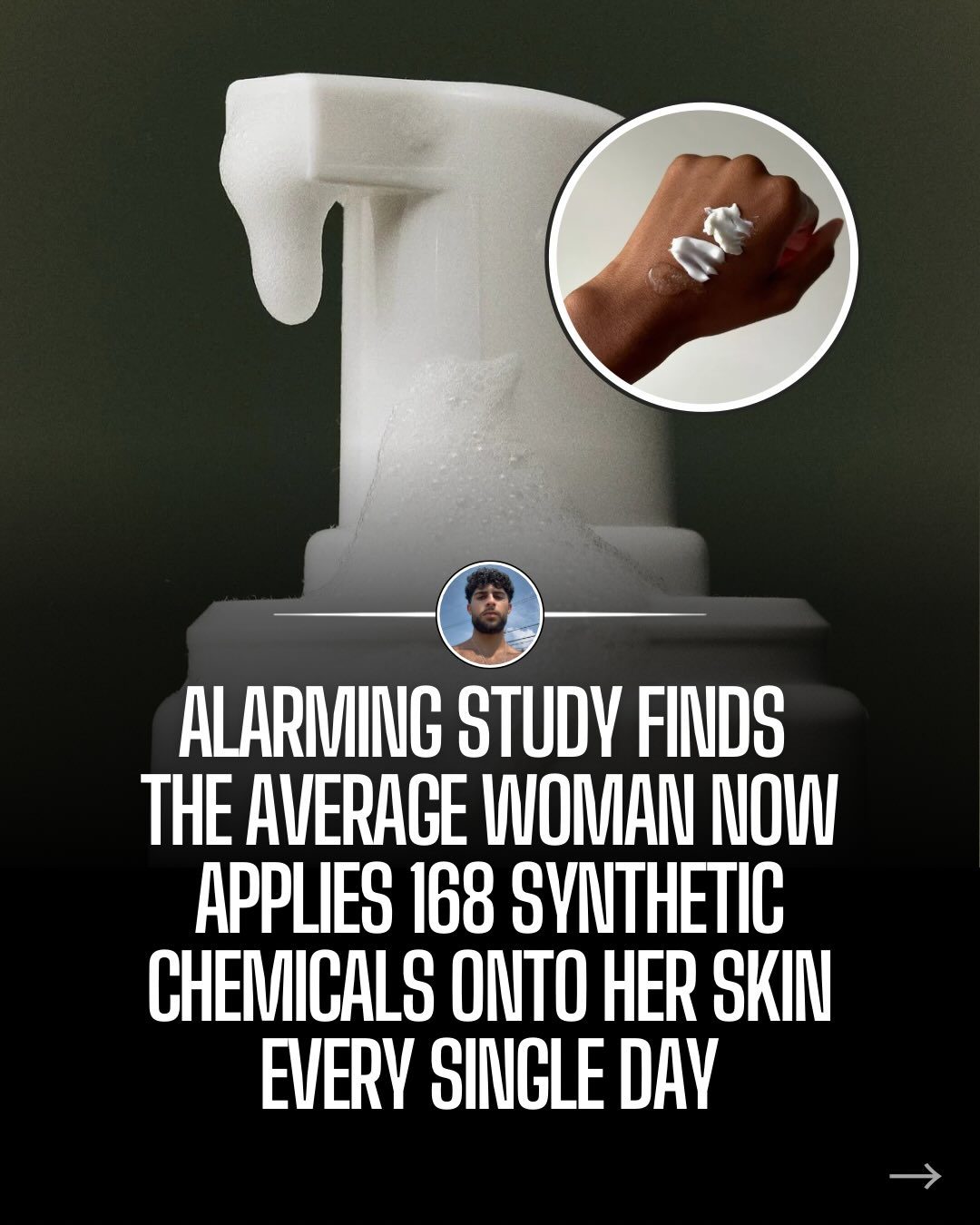
The average woman applies 168 synthetic chemicals to her skin daily. This staggering number includes a wide range of products from makeup to skincare. These chemicals can have significant effects on both short-term and long-term health. Understanding the potential impacts and what to look for in product labels can empower consumers to make safer choices.
Main discussion
Common Cosmetics and Their Chemical Loads
Shampoo is a staple in many daily routines. On average, shampoo contains about 15 chemicals. Common offenders include sodium lauryl sulfate and propylene glycol. Sodium lauryl sulfate is known for causing skin irritation and neurological effects. Propylene glycol can also cause irritation, particularly in individuals with sensitive skin. The cumulative use of these chemicals over time can lead to skin issues and other health concerns.
Eyeshadow and Foundation are popular makeup items that contain a high number of chemicals. Eyeshadow typically has around 26 chemicals, while foundation contains about 24. Both of these products can carry compounds that are linked to more serious health issues, such as cancer, hormone disruption, and immune system problems. Their proximity to sensitive areas of the face, particularly around the eyes, adds to the potential health risks.
Lipstick is another common cosmetic. On average, it contains 33 chemicals. Because it is applied directly to the lips, a portion of the product is ingested, increasing the potential for internal exposure to harmful chemicals. Ingesting these chemicals can have significant health implications, including long-term effects on overall well-being.
Perfume is perhaps one of the most dangerous cosmetic products. A single bottle of perfume can contain up to 250 different chemicals, including benzaldehyde and toluene. These chemicals are known to disrupt hormones and cause reproductive harm. Given the widespread use of perfumes, the cumulative exposure to these harmful substances can be alarming.
Body Care Products and Their Hidden Dangers
Body Lotion, Deodorant, Blush, Hairspray, Nail Polish, and Fake Tan are commonly used products that often contain parabens and phthalates. These compounds are known to disrupt hormones and fertility. Daily use of these products exposes individuals to these harmful chemicals, potentially leading to reproductive health issues over time.
The cumulative effect of these chemicals in various body care products can be significant. Women's hormones are under constant attack from these toxic beauty products, synthetic fragrances, and even plastic period products and birth control. These substances can quietly wreck reproductive health, making it essential to be mindful of the products used.
CeraVe Foaming Facial Cleanser: A Closer Look
CeraVe Foaming Facial Cleanser, for example, scores 38/100 for its chemical content. This score indicates a relatively high presence of potentially harmful chemicals. The foaming variant contains cocosinate and ceramide, which are generally considered safe and beneficial for the skin. However, the overall score suggests that consumers should be cautious and consider alternative products with lower chemical content.
Practical tips
Decoding Product Labels
When choosing cosmetics, it's essential to understand how to read product labels. Look for products that are free from parabens, phthalates, and synthetic fragrances. Opt for products that clearly list their ingredients and avoid those that use vague terms like "fragrance" or "parfum," which can hide a multitude of harmful chemicals.
Key Ingredients to Avoid
Some of the most harmful ingredients to avoid in cosmetics include:
- Sodium lauryl sulfate (SLS) and sodium laureth sulfate (SLES): Known for causing skin irritation and neurological effects.
- Propylene glycol: Can cause irritation and is linked to neurological effects.
- Parabens: Known to disrupt hormones and are linked to reproductive issues.
- Phthalates: Also linked to hormone disruption and fertility problems.
- Benzaldehyde and toluene: Found in perfumes, these chemicals can disrupt hormones and cause reproductive harm.
Alternatives and Safer Choices
For a safer routine, consider using brands that focus on natural and organic ingredients. These products are often free from harmful chemicals and can be gentler on the skin. Look for certifications from reputable organizations that ensure products are free from harmful substances.
Using Technology for Better Choices
Technology can be a powerful tool in identifying harmful chemicals in cosmetics. Apps like Scout can help you understand the ingredients in your products and make more informed decisions. These tools can scan product barcodes and provide detailed information about the chemicals present, helping you choose safer alternatives.
Important takeaways
The chemicals in cosmetics have become a significant part of daily life. Products like shampoo, eyeshadow, foundation, lipstick, and perfume contain a substantial number of chemicals that can have adverse health effects. Understanding the ingredients in these products is crucial for making healthier choices.
The cumulative effect of these chemicals can lead to long-term health issues, including hormone disruption, fertility problems, and even cancer. By being aware of the harmful ingredients and opting for safer, natural alternatives, individuals can minimize their exposure to these substances.
Conclusion
Navigating the world of cosmetics can be challenging, but with the right knowledge and tools, it is possible to make safer choices. Understanding the chemicals in your daily routine and choosing products with fewer harmful substances can significantly improve your overall health. By being mindful of what you apply to your skin, you can take control of your health and wellness.
Watch the Reel
Questions readers ask
What are some common harmful chemicals found in cosmetics?
Many cosmetics contain chemicals like parabens, phthalates, and synthetic fragrances. Parabens are preservatives that can mimic estrogen in the body, while phthalates are often used to increase flexibility in products but can disrupt hormonal balance. Synthetic fragrances can contain a cocktail of undisclosed chemicals that may cause allergic reactions or other health issues.
How can I identify harmful chemicals in my daily cosmetic products?
To identify potentially harmful chemicals, start by checking the product labels for ingredients like parabens (e.g., methylparaben, propylparaben), phthalates (e.g., DBP, DEP), and synthetic fragrances. Additionally, look for products that are labeled as 'fragrance-free' or 'paraben-free' to avoid these common irritants. Reputable brands like Cerave often have a transparent ingredient list.
What are some of the potential health risks associated with daily cosmetic use?
Daily use of cosmetics can expose you to a range of potential health risks, including skin irritation, hormonal imbalances, and even long-term effects like reproductive issues and increased cancer risks. For instance, hormonal disruptors in cosmetics can interfere with the body's natural hormone functions, leading to various health complications over time.
Are there any specific chemicals in foaming shampoos that I should be aware of?
Foaming shampoos often contain sulfates like sodium lauryl sulfate (SLS) and sodium laureth sulfate (SLES), which can strip the skin and hair of natural oils, leading to dryness and irritation. These chemicals are known foaming ingredients that can also cause irritation and allergic reactions in some individuals.
Which chemicals in makeup and skincare should I be most concerned about?
In makeup and skincare, be mindful of chemicals like lead, formaldehyde, and heavy metals, which have been found in various products, including lipsticks, foundations, and eyeshadows. These chemicals can pose serious health risks, including organ damage and developmental issues. Always opt for products that have undergone rigorous testing and are well-reviewed by users.
How can I read cosmetic labels to make safer choices?
When reading cosmetic labels, look for clear and transparent ingredient lists. If a product contains a long list of synthetic chemicals that are difficult to pronounce, it might be best to avoid it. Opt for products with shorter ingredient lists and recognizable, natural components. Avoid labels that simply say 'fragrance' as this can hide a multitude of hidden chemicals.
What are some of the worst chemicals in facial cleansers that I should avoid?
Facial cleansers often contain chemicals like triclosan, an antimicrobial agent that can disrupt hormone functions and contribute to antibiotic resistance. Additionally, look out for synthetic detergents and foaming agents, such as sodium lauryl sulfate (SLS) and sodium laureth sulfate (SLES), which can be harsh on the skin and cause irritation and dryness.
Recent articles
Fresh deep dives from the latest Reels we unpacked.




Comments
Be the first to comment.