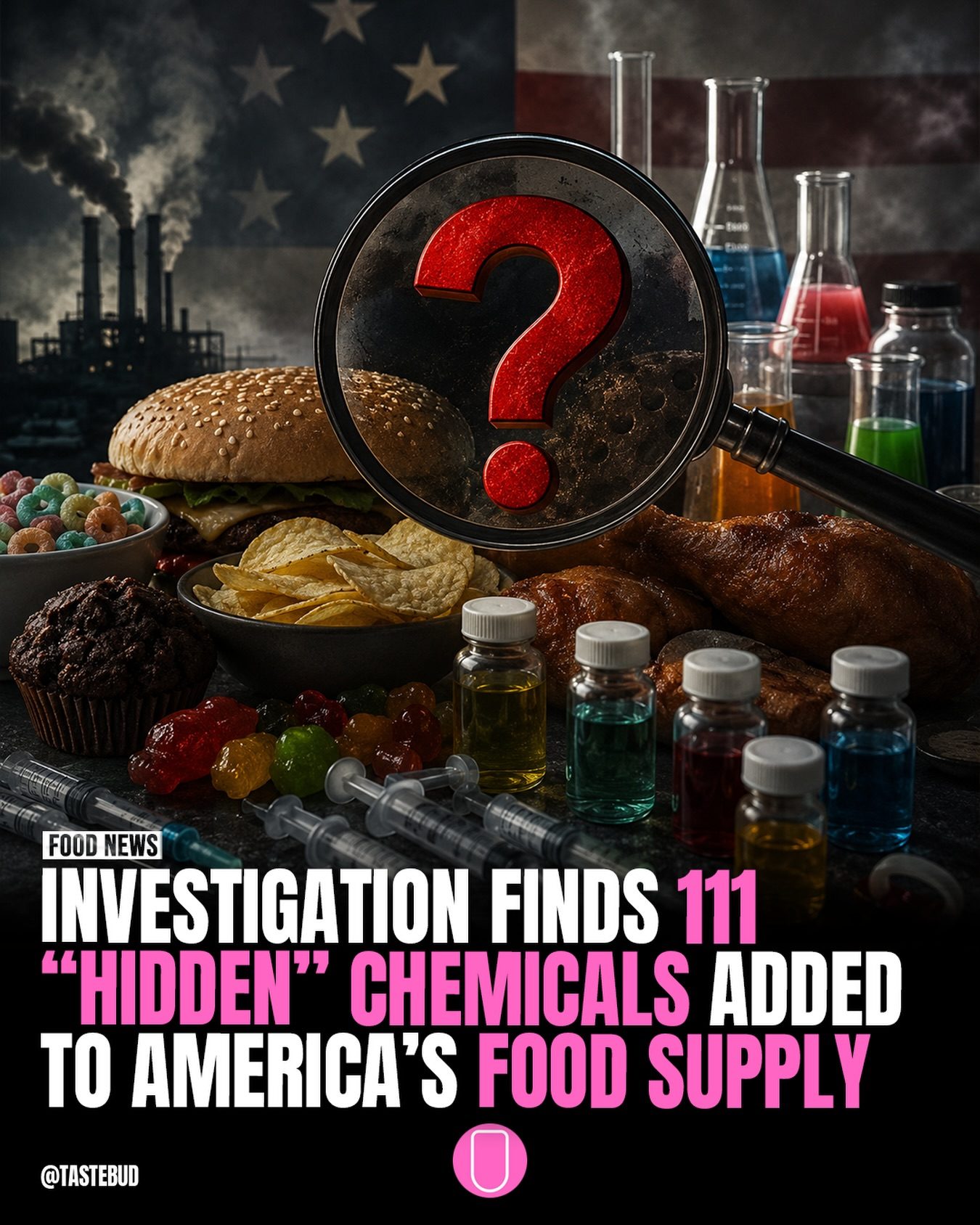
The Controversial GRAS System and Hidden Food Additives
An investigation by the Environmental Working Group (EWG) uncovered a concerning revelation: some ingredients bypass direct FDA review and enter the U.S. food supply through the Generally Recognized as Safe (GRAS) system. This system allows companies to self-determine the safety of ingredients without always requiring direct oversight from the Food and Drug Administration (FDA). While the FDA and GRAS proponents maintain that safety standards remain in place, critics argue that this process lacks transparency and raises alarming questions about food safety.
Context / Why this matters
The GRAS system was established to streamline the approval process for substances generally accepted as safe. However, the lack of mandatory FDA review for certain ingredients has sparked debate about potential risks and the need for stricter regulation. The EWG investigation revealed 111 chemicals that have entered the food supply through the GRAS system, highlighting the extent of this issue. Understanding the GRAS system and its implications for food safety is essential for consumers to make informed choices about what they eat.
The GRAS System: An Overview
What is the GRAS System?
The GRAS system is a process that allows food manufacturers to determine if an ingredient is generally recognized as safe. Ingredients deemed GRAS can be added to food products without requiring FDA approval or extensive public disclosure. The system was implemented to expedite the approval process for commonly used ingredients. However, it has also drawn scrutiny due to its perceived lack of transparency and potential safety concerns.
How Does the GRAS System Work?
Under the GRAS system, companies can self-identify ingredients as safe based on scientific evidence. There are two ways an ingredient can be approved as GRAS:
- Self-Affirmed GRAS: Food manufacturers can determine an ingredient is GRAS based on available data and then add it to their products. This process does not require FDA review.
- GRAS Notification: Companies can submit their GRAS determination to the FDA for review. The FDA will then determine if the ingredient should be listed as GRAS. This process includes a 30-day public comment period, allowing stakeholders to voice concerns.
The Debate Around the GRAS System
Critics' Concerns
Critics argue that the GRAS system allows potentially harmful ingredients to enter the food supply with insufficient scrutiny. The self-affirmed GRAS process, in particular, has raised concerns about transparency and accountability. Critics point out that this process can be exploited by companies to introduce new chemicals without adequate public disclosure or regulatory oversight. The recent investigation by the EWG highlights 111 chemicals that have entered the food supply through the GRAS system, underscoring the potential risks associated with self-affirmed GRAS determinations.
Regulators' Perspective
Proponents of the GRAS system, including the FDA, maintain that safety standards are still in place. They argue that the self-affirmed GRAS process is based on scientific evidence and is subject to rigorous review when necessary. The FDA asserts that it remains vigilant in monitoring the safety of food ingredients, even those determined to be GRAS. While the FDA can request additional information or conduct its own review, this process is not always mandatory, leading to concerns about the system's effectiveness.
The Investigation by Environmental Working Group
The EWG investigation found that 111 chemicals have been added to America's food supply through the GRAS system. These chemicals, often referred to as "hidden" additives, have entered the food supply without direct FDA review. The investigation highlights the need for greater transparency and accountability in the GRAS system, as well as the potential risks posed by these hidden chemicals.
Key Findings
The EWG investigation revealed several concerning findings:
- Hidden Chemicals: The investigation found 111 chemicals that have entered the food supply through the GRAS system. Many of these chemicals are not well-known ingredients and may pose potential health risks.
- Lack of Transparency: The self-affirmed GRAS process allows companies to add ingredients to their products without mandatory FDA review or public disclosure. This lack of transparency makes it difficult for consumers to make informed choices about their food.
- Potential Health Risks: Some of the chemicals identified in the investigation have been linked to adverse health effects, including allergies, asthma, and other respiratory issues.
Practical Tips
How to Make Informed Choices
Given the potential risks associated with hidden food additives, it's essential to take proactive steps to make informed choices about the food you consume. Here are some practical tips:
- Read Labels: Pay close attention to ingredient labels and avoid products with chemicals that are not widely recognized as safe. If an ingredient list is too long and filled with unfamiliar names, consider choosing another product.
- Choose Whole Foods: Opt for whole, unprocessed foods whenever possible. These foods are less likely to contain hidden additives and are generally healthier.
- Support Transparency: Support companies that prioritize transparency and safety in their ingredient selection. Look for brands that are open about their sourcing and manufacturing processes.
- Stay Informed: Keep up-to-date with the latest research and news on food additives and safety. Organizations like the EWG provide valuable resources and insights into the topic.
Important Takeaways
The GRAS system, while intended to streamline the approval process for food ingredients, has raised significant concerns about transparency and safety. The investigation by the Environmental Working Group found 111 chemicals that have entered the food supply without direct FDA review, highlighting the potential risks associated with this system. Consumers can take practical steps to make informed choices about their food, such as reading labels, opting for whole foods, and supporting transparent companies.
Conclusion
The GRAS system continues to spark debate about how food ingredients are evaluated and disclosed. While the FDA and GRAS proponents maintain that safety standards are in place, critics argue that the system lacks transparency and accountability. As consumers, it is essential to stay informed about the potential risks associated with hidden food additives and take proactive steps to make informed choices about the food we eat. By doing so, we can better protect our health and ensure that the food we consume is safe.
Watch the Reel
Questions readers ask
What is the GRAS system and how does it work?
The GRAS system, or Generally Recognized as Safe system, is a process that allows food manufacturers to self-determine the safety of certain ingredients. If a company or panel of experts deems an ingredient safe, it can be added to the food supply without requiring direct FDA oversight. This system was designed to streamline the approval process for common, widely accepted ingredients.
How many chemicals are estimated to bypass FDA approval through the GRAS system?
According to the Environmental Working Group (EWG), roughly 3,000 chemicals are in the GRAS system, meaning they enter the food supply without direct FDA oversight. This includes ingredients that were grandfathered in before the GRAS system was established and new additions based on self-regulation.
Why do critics question the GRAS system?
Critics of the GRAS system argue that it lacks transparency and raises concerns about food safety. Since companies can self-determine the safety of ingredients, there is potential for bias or incomplete assessments. Critics also point out that the process for adding new ingredients to the GRAS list is not always made public, which can lead to hidden chemicals in the food supply.
How can consumers make informed decisions about the chemicals in their food?
Consumers can start by familiarizing themselves with the GRAS ingredients list and checking food labels for any GRAS-substance. Additionally, supporting organizations that advocate for stricter food safety regulations can also help push for more transparent processes. Always opt for whole, unprocessed foods when possible, as these are less likely to contain added chemicals.
What are some examples of chemicals that are part of the GRAS system?
Examples of chemicals in the GRAS system include artificial sweeteners (like aspartame and sucralose), preservatives (such as sodium benzoate and potassium sorbate), and flavor enhancers (like monosodium glutamate or MSG). Many of these chemicals are widely used in processed and packaged foods.
What steps can be taken to improve the GRAS system?
To improve the GRAS system, advocates suggest implementing stricter oversight, requiring mandatory public disclosure of all GRAS ingredients, and conducting more rigorous scientific reviews. Additionally, there are calls for the FDA to play a more active role in approving or rejecting GRAS determinations to ensure that hidden chemicals in the food supply are minimized.
What was the finding of the Environmental Working Group's investigation?
The Environmental Working Group's investigation revealed that a significant number of chemicals enter the U.S. food supply through the GRAS system, bypassing direct FDA review. This finding highlights concerns about the transparency and potential risks associated with the self-regulating process, raising questions about the safety of food chemicals in the American food supply.
Related deep dives
Similar reads based on topic and creator.




Recent articles
Fresh deep dives from the latest Reels we unpacked.




Comments
Be the first to comment.