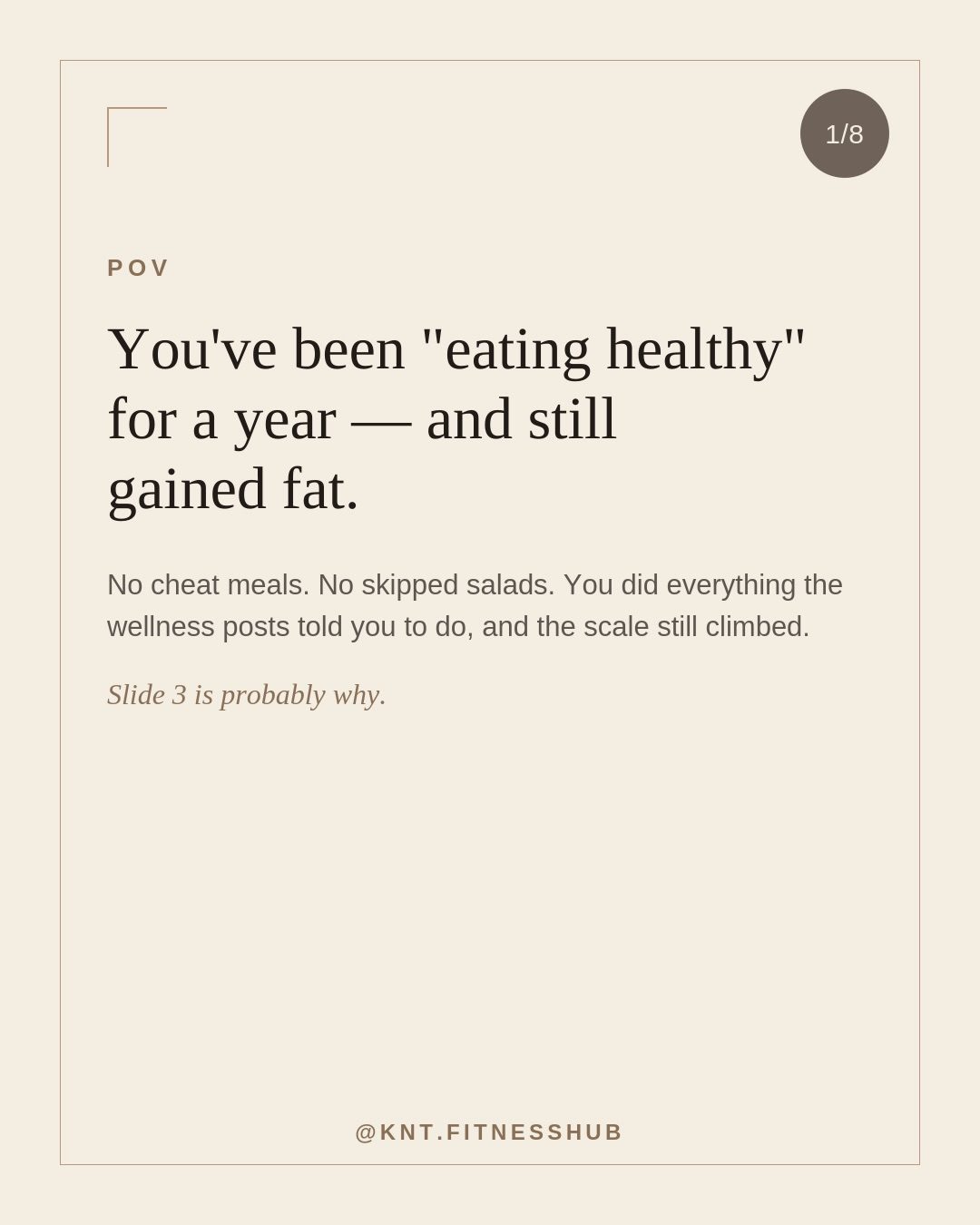
Weight gain despite healthy eating is a common frustration among many individuals. You might have been meticulously following a healthy diet, avoiding cheat meals or skipped salads, and yet the scale still climbed. This phenomenon is more common than you might think and can be attributed to several factors that are often overlooked. This article explores these hidden reasons and provides practical tips on what to do about them. You can't exercise your way out of a poor diet.
Why this matters
People often underestimate the caloric density of certain foods that are marketed as healthy. These foods, while nutrient-rich, can be surprisingly high in calories. For instance, granola, trail mix, protein bars, and nut butters are often labeled as healthy but can contain 500 calories or more per serving. The issue is compounded by the fact that portion sizes are often larger than perceived. A "handful" of granola, for example, is rarely a single serving; it's often closer to three servings when measured accurately.
Even if you’re eating what seems like a healthy diet, other lifestyle factors can still sabotage your efforts. Stress and lack of sleep are two major culprits. Poor sleep quality raises cortisol and ghrelin, the hormone that drives hunger, while lowering leptin, the hormone that signals fullness. This hormonal imbalance can lead to overeating, even if your breakfast and lunch were perfectly on plan. Under-slept, stressed days almost always lead to increased food intake later in the day.
Understanding these factors is crucial for anyone looking to manage their weight effectively. It's not just about what you eat, but also about how much, when, and under what conditions.
Factors that contribute to unexpected weight gain
Calorie-dense 'Healthy' Snacks
One of the primary reasons for unexpected weight gain is the caloric density of snacks that are marketed as healthy. Foods like granola, trail mix, protein bars, and nut butters are often high in calories. A single serving of granola, for example, can contain upwards of 500 calories. The issue is further complicated by the fact that portion sizes are often misjudged. What you might consider a "handful" of granola is likely closer to three servings when measured accurately. This can lead to a significant calorie intake without realizing it.
Hidden Calories in Beverages
Beverages, especially those marketed as healthy, can also contain a surprising amount of calories. Smoothies, oat milk lattes, and even some fruit juices can be calorie-dense. While these beverages are often high in nutrients, they can also add a significant number of calories to your daily intake. For example, a typical smoothie can contain as many calories as a full meal.
Stress and Sleep
Stress and lack of sleep are two often-overlooked factors that can sabotage your weight loss efforts. Poor sleep quality can lead to increased levels of cortisol and ghrelin, the hormone that drives hunger, while lowering leptin, the hormone that signals fullness. This hormonal imbalance can lead to overeating, even if your diet is otherwise healthy.
Chronic stress can also lead to increased cortisol levels, which can promote fat storage and increase appetite. This can result in overeating, especially of comfort foods that are high in sugar and fat. Managing stress through techniques like mindfulness, meditation, and regular exercise can help mitigate this effect.
The Impact of Hormonal Imbalance
Hormonal imbalances can also play a significant role in weight gain. For example, thyroid disorders can slow down your metabolism, making it harder to lose weight. Polycystic ovary syndrome (PCOS) can also lead to weight gain, particularly around the midsection. Addressing these underlying hormonal issues through medical intervention can be crucial for managing weight effectively.
Practical tips
Portion Control
One of the most effective ways to manage your calorie intake is through portion control. Measuring your food and being mindful of serving sizes can help you avoid overconsumption. For example, instead of eyeballing a serving of granola, use a measuring cup to ensure you're not consuming more than intended. Keeping a food journal can also help you track your portions and make adjustments as needed.
Mindful Eating
Mindful eating involves paying attention to your body's hunger and fullness cues. This means eating slowly, without distractions, and stopping when you feel comfortably full. Mindful eating can help you avoid overeating and make healthier food choices. It can also help you enjoy your food more, leading to a more satisfying eating experience.
Regular Exercise
Regular exercise is also crucial for managing weight. Aim for at least 150 minutes of moderate-intensity or 75 minutes of vigorous-intensity aerobic activity per week, along with strength training exercises on two or more days a week. This can help you burn more calories, build muscle, and improve your overall fitness level.
Stress Management
Managing stress can also help you manage your weight. Techniques like mindfulness, meditation, and deep-breathing exercises can help reduce stress levels and promote a sense of calm. Regular exercise, adequate sleep, and maintaining a healthy social life can also help manage stress levels.
Adequate Sleep
Getting enough sleep is crucial for overall health and weight management. Aim for 7-9 hours of sleep per night. Maintaining a consistent sleep schedule, creating a relaxing bedtime routine, and optimizing your sleep environment can help improve sleep quality. Avoiding screens, caffeine, and large meals before bed can also promote better sleep.
Important takeaways
No Foods Are Inherently Bad
It's important to recognize that no foods are inherently bad. Instead, focus on understanding the caloric density and portion sizes of the foods you consume. By being mindful of these factors, you can make informed choices about what and how much to eat.
Balance and Moderation
Balance and moderation are key to a healthy diet. It's okay to indulge in treats and snacks as long as you're mindful of portion sizes and the overall balance of your diet. Aiming for a balanced diet that includes a variety of nutrient-rich foods can help you maintain a healthy weight and support overall health.
Personalized Approach
Everyone's body and lifestyle are unique, so what works for one person might not work for another. It’s essential to find a personalized approach to weight management that fits your lifestyle, preferences, and specific needs. This might involve consulting with a nutritionist or health coach who can provide tailored advice and support.
Conclusion
Weight gain despite healthy eating is a common and frustrating experience. Understanding the hidden factors that contribute to this, such as calorie-dense snacks, hidden calories in beverages, stress, and sleep, can help you address the issue more effectively. By focusing on portion control, mindful eating, regular exercise, stress management, and adequate sleep, you can manage your weight more effectively and achieve a healthier, more balanced lifestyle. If you find yourself struggling, consider reaching out to a professional for personalized advice and support.
Watch the Reel
Questions readers ask
Why am I gaining weight if I am eating a healthy diet?
Weight gain while eating a healthy diet can be due to hidden factors such as the caloric density of certain foods, stress levels, or sleep patterns. Foods like granola, trail mix, and nut butters can be high in calories, contributing to unexpected weight gain.
Which foods should I be mindful of when watching my calorie intake?
Even when buying foods with the healthy label, you should be mindful of the caloric content of foods like granola, trail mixes, protein bars, and nut butters. These foods can contain 500 calories or more per serving, which can add up quickly and lead to weight gain.
How does stress affect weight gain?
Stress can lead to weight gain, even when eating a healthy diet. This is due to the release of cortisol, a stress hormone that can increase appetite and promote fat storage. Additionally, stress can lead to emotional eating, further contributing to weight gain.
What is caloric density and why does it matter?
Caloric density refers to the number of calories in a given weight of food. Foods with high caloric density, such as nuts, seeds, and dried fruits, can be surprisingly high in calories. Paying attention to caloric density can help you make better food choices and prevent unexpected weight gain.
What role does sleep play in weight management?
Sleep is crucial for weight management, as it helps regulate hormones that control hunger and fullness. Lack of sleep can lead to increased levels of ghrelin, a hormone that stimulates appetite, and decreased levels of leptin, a hormone that signals fullness. This can result in overeating and weight gain, even when following a healthy diet.
How can I manage my weight if I am already eating healthy?
If you are already eating a healthy diet but struggling with weight gain, consider examining your portion sizes, tracking your calorie intake, and evaluating your stress and sleep patterns. Making adjustments in these areas can help you manage your weight more effectively.
Related deep dives
Similar reads based on topic and creator.

Recent articles
Fresh deep dives from the latest Reels we unpacked.




Comments
Be the first to comment.