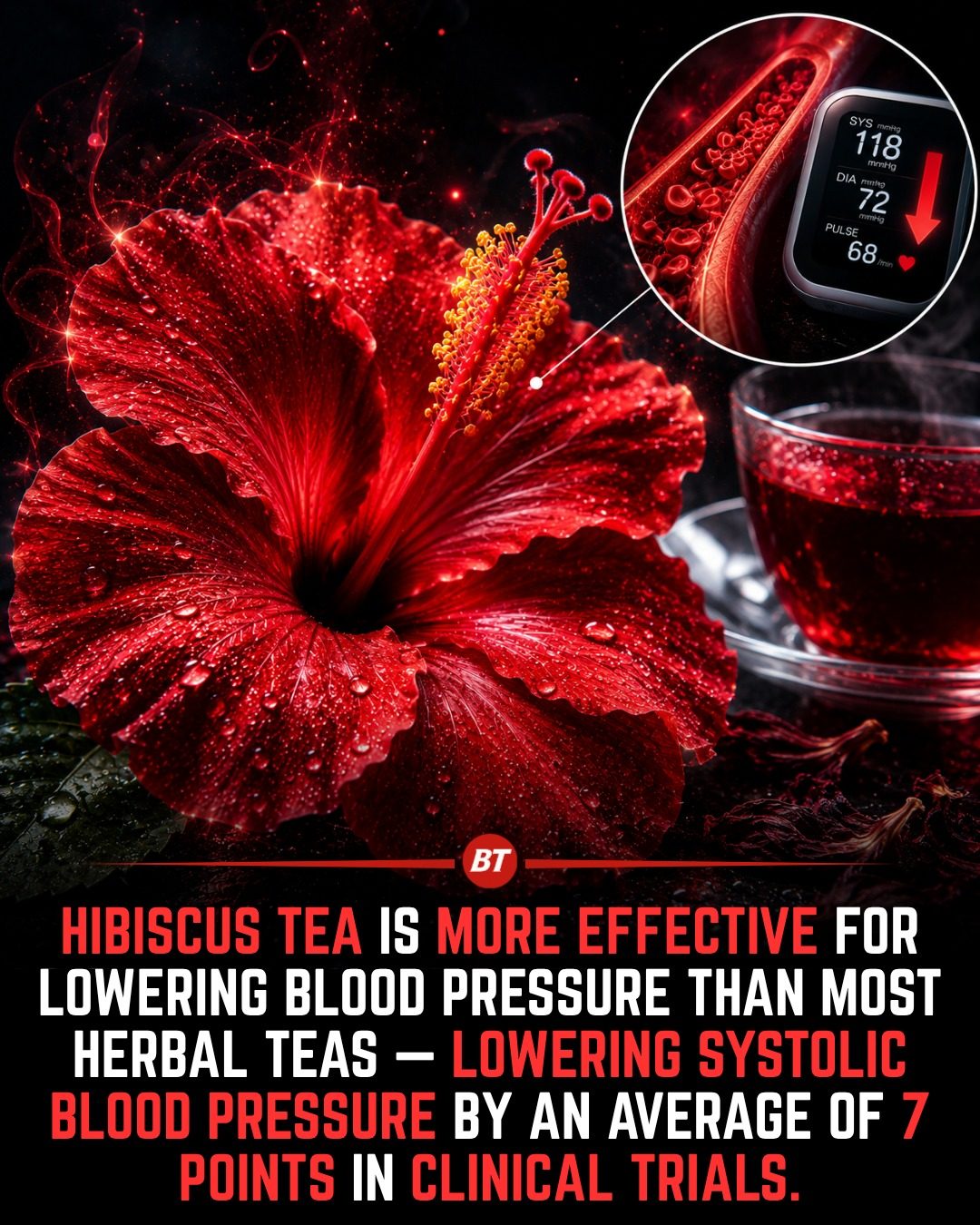
Hibiscus Tea Benefits
Hibiscus tea has gained substantial attention for its potential health benefits, particularly in supporting healthy blood pressure. Derived from the deep red petals of the Hibiscus sabdariffa plant, this herbal tea is rich in antioxidants and other beneficial compounds.
Why this matters
Many people are looking for natural ways to support their cardiovascular health. Hibiscus tea offers a promising option, backed by clinical research that highlights its potential to lower blood pressure. This makes it a compelling choice for those interested in integrating herbal remedies into their wellness routines.
Main discussion
The Science Behind Hibiscus Tea and Blood Pressure
Hibiscus tea is one of the most well-researched herbal teas for managing blood pressure. Clinical trials have demonstrated that drinking hibiscus tea daily can significantly reduce systolic blood pressure. Studies indicate that it lowers systolic blood pressure by an average of 7–8 mmHg in individuals with mildly elevated blood pressure. These findings are particularly noteworthy because this effect is comparable to certain first-line blood pressure medications. However, it's crucial to emphasize that hibiscus tea should not replace prescribed treatments; it can be a complementary approach.
How Hibiscus Tea Works
Researchers have identified several mechanisms through which hibiscus tea may influence blood pressure. The natural compounds in hibiscus tea, such as anthocyanins, flavonoids, and polyphenols, are believed to:
-
Increase Nitric Oxide Availability: These compounds may help increase nitric oxide in the body, which allows blood vessels to relax and dilate, improving overall blood flow.
-
Promote Healthy Kidney Function: Hibiscus tea may support kidney function, which is essential for maintaining healthy blood pressure levels.
-
Reduce Oxidative Stress: The antioxidant properties of hibiscus tea can help reduce oxidative stress within the cardiovascular system, contributing to better heart health.
Beyond Blood Pressure: Additional Benefits
Hibiscus tea offers benefits beyond blood pressure support. It is naturally caffeine-free, making it a suitable choice for those looking to avoid caffeine. Additionally, its antioxidant properties contribute to overall heart health, providing a refreshing and healthful beverage option. The tea can be enjoyed both hot and cold, making it versatile for various preferences.
A Word of Caution
While hibiscus tea can be a valuable addition to a health regimen, it's essential to consult with a healthcare provider before incorporating it into your routine, especially if you are taking medications for high blood pressure or diabetes. Hibiscus tea may enhance the effects of these medications, and professional guidance is necessary to ensure safety and effectiveness.
Practical tips
How to Prepare Hibiscus Tea
Preparing hibiscus tea is straightforward and can be done with a few simple steps:
-
Ingredients: You will need 1–2 teaspoons of dried hibiscus flowers.
-
Brewing: Steep the dried hibiscus flowers in hot water for 5–10 minutes.
-
Serving: Enjoy the tea hot or chilled, with a squeeze of lemon if desired.
Incorporating Hibiscus Tea Into Your Routine
To maximize the benefits of hibiscus tea, consider the following tips:
- Consistency: Drink a cup of hibiscus tea daily to maintain consistent levels of its beneficial compounds.
- Hybrid Approach: Use hibiscus tea as a complement to a balanced diet and regular exercise.
- Monitoring: Keep track of your blood pressure and consult with a healthcare provider to adjust your routine as needed.
Important takeaways
- Hibiscus tea is a well-researched herbal tea known for its potential to lower systolic blood pressure by an average of 7–8 mmHg.
- The natural compounds in hibiscus tea, such as anthocyanins, flavonoids, and polyphenols, contribute to its antioxidant and heart-supporting properties.
- Hibiscus tea works through multiple mechanisms, including increasing nitric oxide availability, promoting healthy kidney function, and reducing oxidative stress.
- While hibiscus tea can be a valuable addition to a health regimen, it should not replace prescribed treatments and professional guidance is necessary, especially for those with existing health conditions or medication regimens.
Conclusion
Hibiscus tea is a natural and refreshing option for those looking to support their cardiovascular health. Its well-documented benefits, particularly in lowering blood pressure, make it a valuable addition to a health-conscious lifestyle. By incorporating hibiscus tea into your routine and consulting with healthcare providers, you can harness its benefits while ensuring a safe and effective approach to wellness.
Watch the Reel
Questions readers ask
How does hibiscus tea help in lowering blood pressure?
Hibiscus tea contains compounds like antioxidants that can help relax blood vessels and improve blood flow, which in turn can lower systolic blood pressure. Regular consumption of hibiscus tea has been shown in clinical trials to reduce mildly elevated blood pressure levels.
What makes hibiscus tea a good choice for heart health?
Hibiscus tea is rich in beneficial compounds that support cardiovascular health. Its ability to lower blood pressure, reduce inflammation, and improve overall cardiovascular function makes it a valuable addition to a heart-healthy routine.
What is the recommended dosage of hibiscus tea for blood pressure support?
To support blood pressure, it is generally recommended to drink 1-2 cups of hibiscus tea daily. Each cup should be brewed with 1-2 teaspoons of dried hibiscus flowers steeped in hot water for 5-10 minutes. Always consult with a healthcare provider before starting any new supplement or wellness routine.
Can hibiscus tea be used alongside prescribed blood pressure medications?
While hibiscus tea can be a beneficial supplement to a heart-healthy lifestyle, it is crucial to consult with a healthcare provider before combining it with prescribed blood pressure medications. Hibiscus tea may interact with certain medications, potentially altering their effectiveness.
What are some of the other health benefits of drinking hibiscus tea?
In addition to supporting heart health, hibiscus tea has been associated with various other benefits. It may help lower cholesterol levels, reduce inflammation, support immune function, and even aid in weight management. The deep red color of the tea is a good indication of its rich antioxidant content.
Is it safe to drink hibiscus tea every day?
For most people, drinking hibiscus tea daily is considered safe. However, it's important to monitor your body's response and consult with a healthcare provider, especially if you have any underlying health conditions or are taking medications. Pregnant women should avoid hibiscus tea as it may stimulate menstruation.
What is the best way to brew hibiscus tea for maximum benefit?
To brew hibiscus tea for maximum benefit, use 1-2 teaspoons of dried hibiscus flowers per cup of hot water. Steep for 5-10 minutes to allow the beneficial compounds to infuse into the water. For a stronger brew, you can increase the amount of hibiscus or steep it for a longer period.
Related deep dives
Similar reads based on topic and creator.




Recent articles
Fresh deep dives from the latest Reels we unpacked.




Comments
Be the first to comment.