Emergency Helicopter Rescue Operations
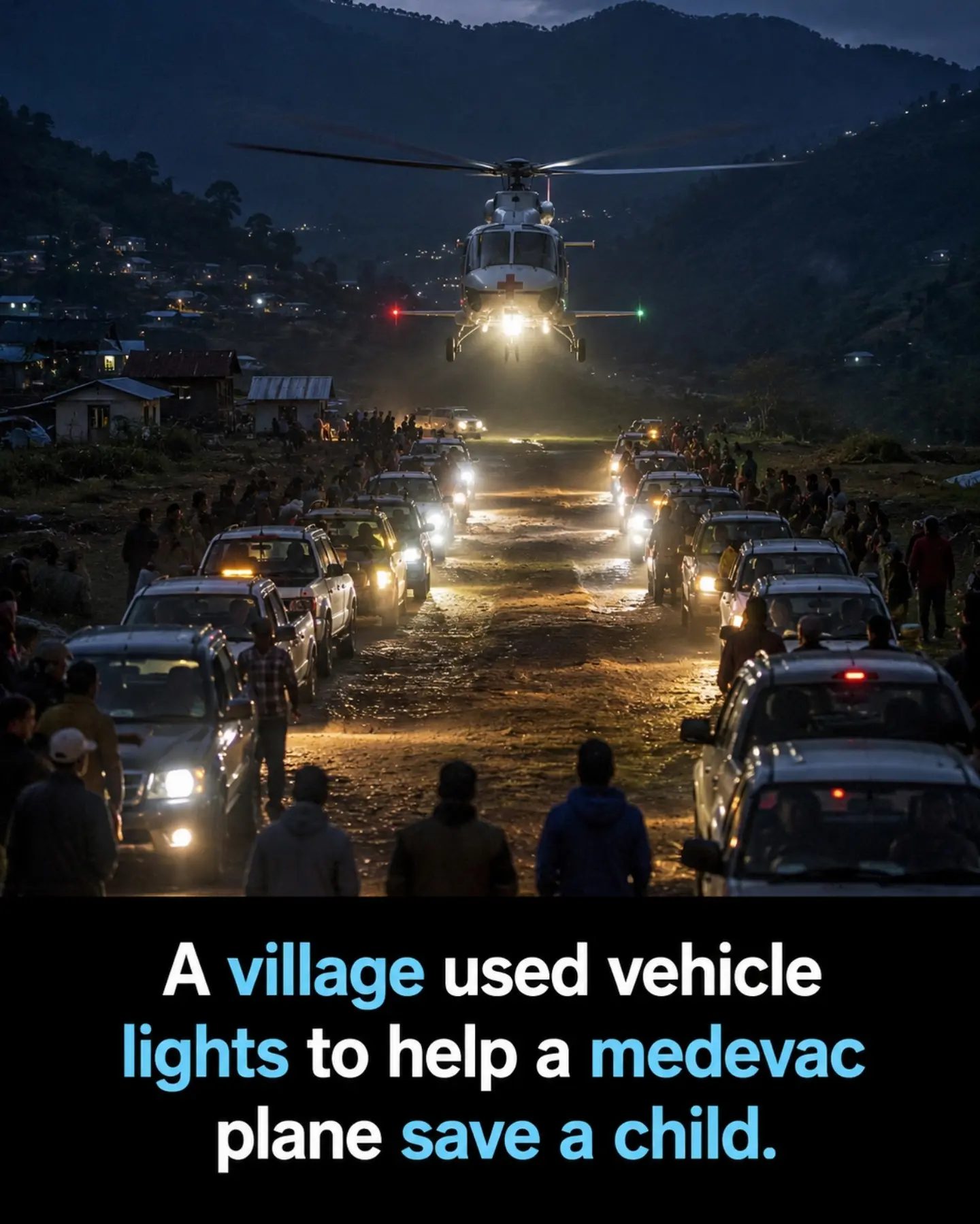
A nighttime helicopter landing in a village, surrounded by cars and people, is a striking scene. The use of vehicle lights to illuminate the landing area turns a remote, dark village into a makeshift landing pad, facilitating a critical medical evacuation.
The Role of Helicopters in Emergency Rescue
Helicopters are indispensable in emergency rescue operations, providing rapid access to remote or hard-to-reach areas. Their ability to land in confined spaces and their speed make them ideal for medical evacuations, search and rescue missions, and disaster response. These aircraft can transport patients, rescue personnel, and medical supplies quickly and efficiently.
Medical Evacuations
Medical evacuations, often referred to as medevacs, are among the most critical roles of emergency helicopters. Time is of the essence when dealing with severe injuries or life-threatening conditions. Helicopters can swiftly transport patients from the scene of an accident or a remote location to a hospital, significantly improving their chances of survival and recovery.
Search and Rescue Missions
Helicopters are also essential for search and rescue operations. Equipped with advanced navigation systems, night vision, and searchlights, they can locate missing persons, provide aerial support for ground teams, and deliver rescue personnel to difficult-to-reach areas. Whether it's a lost hiker, a boat in distress, or a person trapped in a collapsed building, helicopters play a vital role in saving lives.
Disaster Response
During natural disasters, such as earthquakes, hurricanes, or floods, helicopters facilitate rapid response and relief efforts. They can quickly transport supplies, rescue teams, and essential equipment to affected areas. This ensures that emergency services and aid reach those in need promptly, minimizing the impact of the disaster.
The Importance of Community Support
The collaborative efforts of the community are another vital component of successful emergency operations. Often, local support can make a significant difference in critical situations, as demonstrated in the village. Having numerous cars and people on hand, all providing their headlights to illuminate the landing area, created a makeshift landing pad.
Lighting the Way
Effective lighting is crucial for nighttime helicopter operations, especially in rural or remote areas. This is where community support becomes invaluable. The collective effort of villagers using their vehicle lights to illuminate the landing area showcases the importance of community involvement. Their actions ensured that the landing pad was safe and visible, allowing the helicopter to conduct the rescue mission without delay.
Crowd Management
In emergency situations, crowd management is just as important as lighting. A large number of people can either facilitate or hinder the rescue operation. In this case, the villagers successfully gathered in a manner that allowed the helicopter to land safely. This coordination helped in managing the scene, ensuring that the rescue operation could proceed smoothly.
Communication and Coordination
Clear communication and coordination among the villagers, emergency services, and the helicopter crew are essential for a successful rescue. The villagers' use of vehicle lights and their organized presence on the dirt road indicate a high level of coordination and communication. This level of organization ensures that the rescue operation is executed efficiently, minimizing potential risks.
Key Factors in Successful Helicopter Rescue Operations
Several factors contribute to the success of helicopter rescue operations, and these can be seen in the village scene. Proper lighting, crowd management, coordination, and communication all play crucial roles in ensuring that the operation runs smoothly.
Proper Lighting
For nighttime operations, adequate lighting is essential. Helicopters often rely on ground lighting to identify the landing area, especially in remote or poorly lit locations. The use of vehicle lights, as seen in the village, provides a clear example of how proper lighting can make a significant difference.
Crowd Management
Effective crowd management ensures that the landing area is secure and free from obstacles. The organization of the gathered people and vehicles in the village demonstrates the importance of maintaining a clear and safe landing zone. Crowd control measures are essential for the safe operation of the helicopter and the safety of those on the ground.
Communication and Coordination
Clear communication between all parties involved—including the helicopter crew, local emergency services, and the community—is crucial. This ensures that the rescue operation proceeds smoothly and that all necessary measures are taken to ensure safety and efficiency.
Practical Tips for Emergency Helicopter Rescue Operations
Ensuring a successful helicopter rescue operation involves careful planning and execution. Here are some practical tips to consider:
Preparation and Planning
-
Lighting: Ensure that the landing area is well-lit. This can be achieved through the use of vehicle headlights, portable lighting equipment, or other available light sources. Clear and visible lighting helps the helicopter crew identify the landing area and execute the rescue.
-
Crowd Control: Maintain a clear and safe landing zone by managing the crowd effectively. This may involve setting up barriers, directing people to designated areas, and ensuring that the landing zone is free from obstacles.
-
Communication: Establish clear communication channels between all involved parties. This includes coordinating with local emergency services, the helicopter crew, and the community. Ensure that everyone is on the same page regarding the rescue plan and their roles.
Safety Measures
-
Safety Briefings: Conduct safety briefings with emergency services and community members to ensure everyone understands their roles and responsibilities. This helps minimize risks and ensures a coordinated response.
-
Emergency Equipment: Have essential emergency equipment on hand, such as medical supplies, first aid kits, and communication devices. This ensures that the rescue team is well-equipped to handle any situation.
-
Emergency Lighting: Utilize emergency lighting devices like portable spotlights and flares to enhance visibility during nighttime operations. These tools can significantly improve the safety and visibility of the landing area.
Important Takeaways
The scene of a helicopter landing in a village at night, with numerous cars and people gathered, highlights the importance of community support and proper planning in emergency rescue operations. Key takeaways from this scenario include:
- Helicopters are essential for accessing remote areas and conducting rapid medical evacuations.
- Community involvement, such as providing vehicle lights, is crucial for successful nighttime operations.
- Clear communication, crowd management, and proper lighting are vital for a safe and efficient rescue operation.
- Preparation and coordination among emergency services, the community, and the helicopter crew ensure a successful rescue mission.
Conclusion
Helicopters play a crucial role in emergency rescue operations, providing rapid access to remote areas and facilitating critical medical evacuations. The collaborative efforts of the community, including the use of vehicle lights and effective crowd management, significantly contribute to the success of these operations. Proper planning, communication, and coordination are essential for ensuring that rescue missions are executed safely and efficiently. By understanding and implementing these key factors, communities can enhance their readiness and response capabilities during emergency situations.
Watch the Reel
Questions readers ask
Why are helicopters crucial for medical evacuations in remote areas?
Helicopters are essential for medical evacuations in remote areas because they can access hard-to-reach locations quickly. Their ability to land in confined spaces, such as a dirt road or small clearing, makes them ideal for transporting patients and medical supplies efficiently, especially in emergency situations.
How do communities support nighttime helicopter rescue operations?
Communities support nighttime helicopter rescue operations by assisting with logistical tasks, like preparing a landing site. In this case, villagers worked together to illuminate the landing area using car headlights, transforming the rural area into a makeshift helicopter landing pad.
What are the steps involved in creating an impromptu helicopter landing pad?
Creating an impromptu helicopter landing pad involves clearing the area of obstacles and ensuring it is large enough for a safe landing. In a village setting, this might involve residents working together to move vehicles, clear debris, and illuminate the area with available lighting sources, such as headlights.
How can a rural village prepare for a possible emergency helicopter landing?
A rural village can prepare for a possible emergency helicopter landing by identifying suitable landing sites in advance, such as a flat dirt road or open field. Additionally, residents can familiarize themselves with local emergency protocols and ensure they have access to lighting sources that can be used to illuminate the landing area during nighttime operations.
What challenges might arise during a nighttime helicopter landing?
Nighttime helicopter landings present unique challenges, including low visibility and potential hazards on the landing surface. To mitigate these risks, communities can assist by providing illumination and clearing the area of obstacles. Proper communication with emergency services is also crucial to ensure a safe and efficient rescue operation.
Why is community support vital during emergency helicopter evacuations?
Community support is vital during emergency helicopter evacuations because it ensures a well-lit and obstacle-free landing zone. This support can significantly improve the efficiency and safety of the operation, allowing for quicker access to medical care and potentially saving lives.
How can helicopters assist in disaster response scenarios?
In disaster response scenarios, helicopters can transport first responders, medical supplies, and rescue personnel to affected areas swiftly. They can also be used to evacuate injured individuals from high-risk zones, providing essential support during rescue efforts and disaster relief.
Related deep dives
Similar reads based on topic and creator.



Recent articles
Fresh deep dives from the latest Reels we unpacked.




Comments
Be the first to comment.