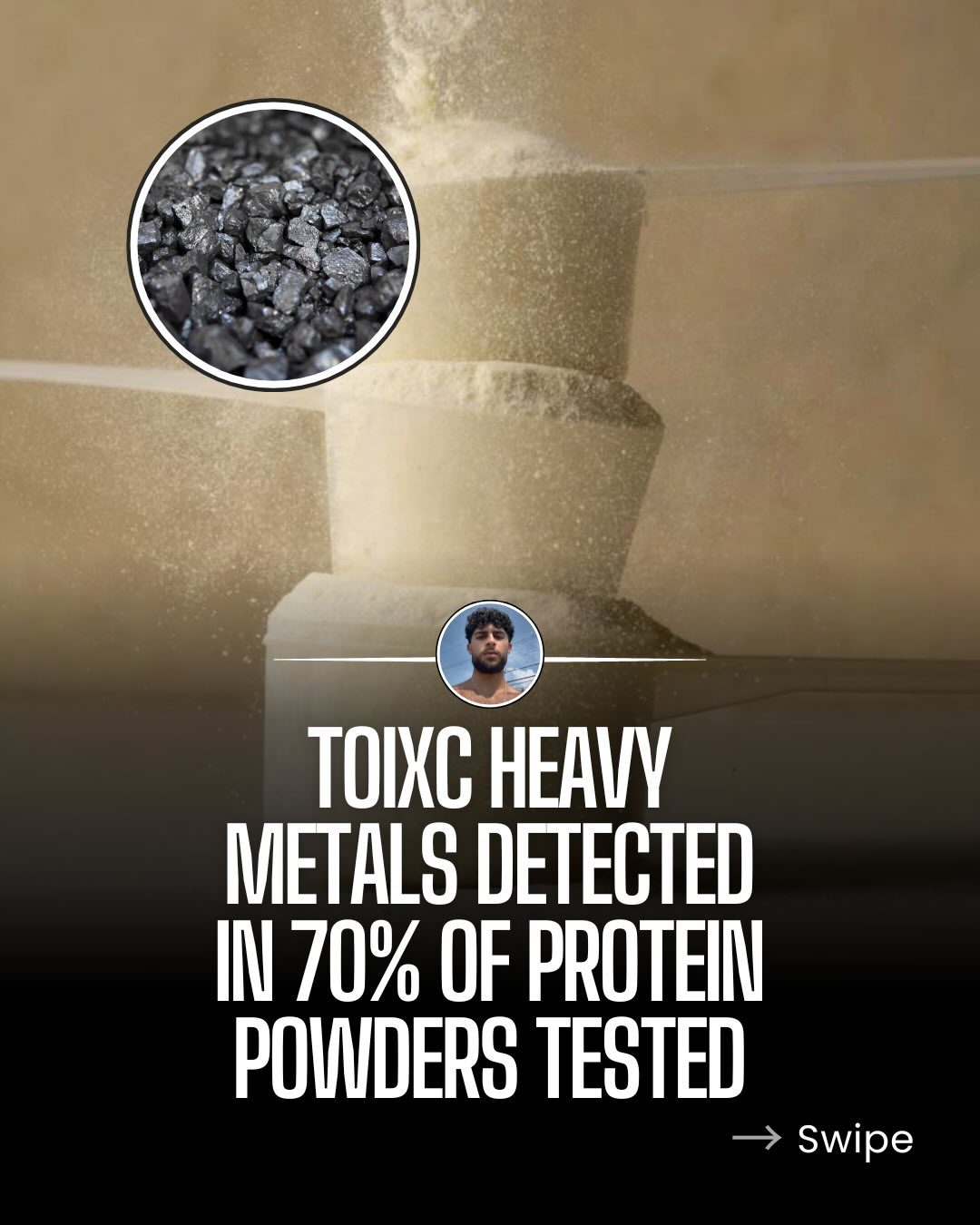
Heavy Metals in Protein Powder
Protein powder is a popular supplement used by athletes, fitness enthusiasts, and health-conscious individuals to support muscle growth and recovery. However, recent findings have raised concerns about the presence of heavy metals in these products. Approximately 70% of protein powders tested contain heavy metals such as lead, cadmium, and arsenic. This is a significant issue, as these metals can have detrimental effects on nearly every part of the body.
Why This Matters
Heavy metals like lead, cadmium, and arsenic are toxic and can accumulate in the body over time. Exposure to these metals can lead to a variety of health problems, including neurological damage, kidney dysfunction, and even cancer. For athletes and fitness enthusiasts who rely on protein powder for their nutritional needs, the presence of these contaminants is particularly concerning. Regular consumption of protein powders contaminated with heavy metals can pose serious health risks, making it crucial to be aware of the potential dangers and take steps to mitigate them.
Main Discussion
Common Heavy Metals Found in Protein Powder
Heavy metals detected in protein powders typically include:
- Lead: A potent neurotoxin that can cause developmental delays, learning disabilities, and behavioral problems, especially in children. In adults, lead exposure can lead to high blood pressure, kidney damage, and reproductive issues.
- Cadmium: Known to cause kidney damage and bone loss. It is also classified as a carcinogen by the International Agency for Research on Cancer.
- Arsenic: A known carcinogen that can cause skin lesions, developmental problems, and various types of cancer. Chronic exposure can also lead to cardiovascular disease and diabetes.
Protein Powders Tested
Several well-known brands have been analyzed for heavy metal contamination. Here are some key findings:
Naked Nutrition
Naked Nutrition, a brand known for its "clean" and minimally processed products, was found to contain alarmingly high levels of heavy metals. Specifically, Naked Whey from Naked Nutrition had lead levels at 1540% over the daily limit and cadmium levels at 84% over the daily limit. These levels are particularly concerning given the brand's reputation for purity and its popularity among health-conscious consumers.
Huel
Huel, a brand that markets itself as a complete nutritional solution, also showed significant contamination. The product was found to contain lead levels at 1262% over the daily limit and cadmium levels at 220% over the daily limit. These findings are troubling, especially considering that Huel is often used as a meal replacement, potentially leading to higher daily intake of these contaminants.
Optimum Nutrition
Optimum Nutrition, another popular brand, showed lower but still concerning levels of contamination. Optimum Nutrition's Gold Standard 100% Whey contained lead levels at 32% over the daily limit and cadmium levels at 7% over the daily limit. While these levels are lower than those found in Naked Nutrition and Huel, they still pose a risk, especially with regular and long-term use.
Cleanest Protein Powders
Not all protein powders are contaminated with heavy metals. Some brands have been identified as having lower levels of these contaminants. Equip and Heart & Soil are among the cleanest options available, making them safer choices for those concerned about heavy metal exposure.
Practical Tips
Given the prevalence of heavy metals in protein powders, it is essential to take proactive steps to minimize exposure:
Choose Reputable Brands
Opt for brands known for their strict quality control measures and transparency. Look for third-party certifications and independent testing results that confirm low levels of contaminants.
Check Labels and Ingredients
Carefully read product labels and ingredient lists. Avoid protein powders with a long list of additives and fillers, as these can sometimes be sources of contamination.
Limit Intake
Consider reducing your daily intake of protein powder. Instead of relying solely on supplements, incorporate whole food protein sources into your diet, such as lean meats, fish, eggs, and plant-based proteins like lentils and tofu.
Rotate Brands
If you must use protein powder regularly, consider rotating between different brands to reduce the risk of cumulative exposure to heavy metals from any single source.
Conduct Regular Health Checks
Regular health screenings can help monitor your levels of heavy metals and detect any potential issues early.
Important Takeaways
The presence of heavy metals in protein powders is a real and pressing concern. While these supplements are intended to support health and fitness goals, they can sometimes do more harm than good if contaminated. It is crucial to be informed about the brands you consume, the potential risks involved, and the steps you can take to minimize exposure.
Conclusion
Protein powder is a staple in the diets of many athletes and fitness enthusiasts, but the detection of heavy metals in 70% of tested products is a wake-up call. By understanding the risks, choosing clean products, and taking proactive steps, you can continue to reap the benefits of protein supplementation while safeguarding your health. Stay informed, make educated choices, and prioritize your well-being in your fitness journey.
Watch the Reel
Questions readers ask
What are the most common heavy metals found in protein powders?
The most common heavy metals detected in protein powders are lead, cadmium, and arsenic. These metals are particularly concerning due to their potential to accumulate in the body and cause long-term health issues.
How prevalent is the issue of heavy metals in protein powders?
Approximately 70% of protein powders tested have been found to contain heavy metals, indicating that it is a widespread issue affecting many popular brands and products.
What are the potential health risks associated with heavy metals in protein powders?
Regular consumption of protein powders containing heavy metals can lead to various health problems, such as neurological damage, kidney dysfunction, and an increased risk of cancer, due to the accumulation of these toxins in the body.
Which specific protein powders have been found to contain heavy metals?
While the article does not name specific brands, it mentions that a significant number of popular protein powders have been found to contain heavy metals, including those used by athletes, fitness enthusiasts, and health-conscious individuals.
How can I check if my protein powder contains heavy metals?
To determine if your protein powder contains heavy metals, look for products that have been third-party tested for purity and safety. You can also check the product label for information on heavy metal content or look for certified clean brands.
Recent articles
Fresh deep dives from the latest Reels we unpacked.




Comments
Be the first to comment.