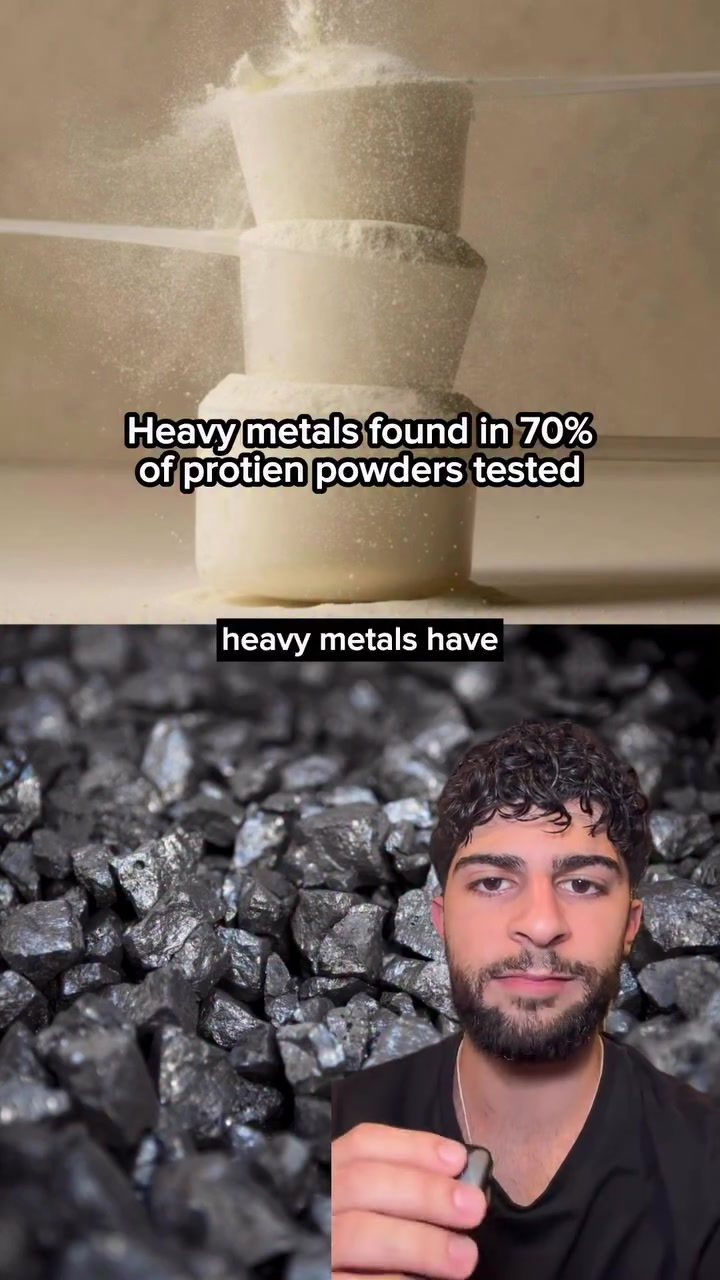
Heavy Metals in Protein Powder
Heavy metals in protein powders are a concern for many health-conscious individuals. Recent findings have shown that up to 70% of protein powders contain heavy metals such as lead, cadmium, and arsenic. Understanding the implications of these findings and how to navigate the market safely is crucial for anyone incorporating protein powders into their diet.
Why This Matters
Heavy metals are toxic elements that can have significant health impacts. They can accumulate in the body over time, leading to various health issues, including neurological problems, kidney damage, and even cancer. For those who rely on protein powders to supplement their diet, ensuring that the product is free of heavy metals is essential for maintaining overall health.
Heavy Metals and Protein Powder
Common Heavy Metals Found
Lead, cadmium, and arsenic are among the most commonly detected heavy metals in protein powders. These metals can enter the product during the manufacturing process or through contaminated ingredients. Even small amounts can pose health risks, especially with long-term use.
Brands and Contamination Levels
Several brands have been identified as containing measurable amounts of heavy metals. For example:
- Naked Nutrition has been found to contain 7.7 micrograms of lead per serving.
- Huel contains 9.2 micrograms of cadmium per serving.
- Garden of Life has 2.7 micrograms of lead per serving.
- Optimum Nutrition contains 8.4 micrograms of arsenic per serving.
- Momentous has 2.3 micrograms of lead per serving.
- Vega contains 4.3 micrograms of cadmium per serving.
Cleaner Alternatives
While some brands have detectable levels of heavy metals, others are known for their cleaner formulations. Equip, Just Ingredients, and Heart & Soil are among the brands recognized for having lower levels of heavy metals or being free from contamination.
Tips for Choosing Safe Protein Powder
Research Ingredients and Sources
Before purchasing a protein powder, research the brand and its manufacturing practices. Look for brands that prioritize ingredient quality and have transparent sourcing policies. Companies that test their products for heavy metals and publish the results are generally more trustworthy.
Check for Certifications
Certifications from reputable organizations can provide an extra layer of assurance. Look for certifications such as NSF International, Informed-Choice, or USP, which indicate that the product has been tested for contaminants, including heavy metals.
Read Labels Carefully
Always read the ingredient list and check for any known sources of heavy metals. Avoid products with vague or generic ingredients, as these can be more likely to contain contaminants.
Opt for Transparent Brands
Choose brands that are transparent about their manufacturing processes and testing procedures. Companies that openly share their testing results and quality control measures are more likely to provide a safer product.
Important Takeaways
- Widespread Contamination: Up to 70% of protein powders on the market contain detectable levels of heavy metals.
- Health Risks: Long-term exposure to heavy metals can lead to serious health issues, including neurological problems and organ damage.
- Brand Variability: The presence and levels of heavy metals vary significantly between brands. Some brands are known for their cleaner formulations, while others have detectable levels of contamination.
Conclusion
Choosing a protein powder that is free from heavy metals is essential for maintaining overall health. By researching brands, checking for certifications, and opting for transparent companies, consumers can make informed choices that prioritize their well-being. Always prioritize products that have been tested and verified to be free from heavy metals to ensure the best possible outcome for your health.
Watch the Reel
Questions readers ask
What are the most common heavy metals found in protein powders?
The most common heavy metals found in protein powders are lead, cadmium, and arsenic. These metals can be present due to contamination during the manufacturing process or from the source ingredients.
How do heavy metals in protein powders affect health?
Heavy metals like lead, cadmium, and arsenic can accumulate in the body over time, potentially leading to serious health issues. These include neurological problems, kidney damage, and even cancer. It's important to choose protein powders that are tested for heavy metal contamination to minimize these risks.
What should I look for in protein powder labels to avoid heavy metals?
Since labels may not always list heavy metal contamination, it's essential to look for brands that explicitly state they test for heavy metals and provide third-party certificates of analysis. Additionally, opting for products with clear sourcing information and good manufacturing practices can help mitigate the risk.
Are there protein powders that are guaranteed to be free of heavy metals?
While no product can guarantee absolute purity, some brands are known for rigorous testing and high-quality standards. Brands like NOW Sports, Optimum Nutrition, and Garden of Life are often recommended for their commitment to quality and transparency. Always check third-party test results.
How can I test my protein powder for heavy metals?
You can send samples of your protein powder to independent laboratories for heavy metal testing. Some labs offer testing services specifically for supplements. Additionally, some brands provide third-party certificates of analysis, which can be reviewed to ensure the product has been tested for heavy metals.
What are the signs of heavy metal toxicity in the body?
Symptoms of heavy metal toxicity can vary but may include fatigue, headaches, abdominal pain, and neurological issues. If you suspect heavy metal toxicity, consult a healthcare provider. They can perform tests and recommend appropriate treatments, which may include chelation therapy.
Recent articles
Fresh deep dives from the latest Reels we unpacked.




Comments
Be the first to comment.