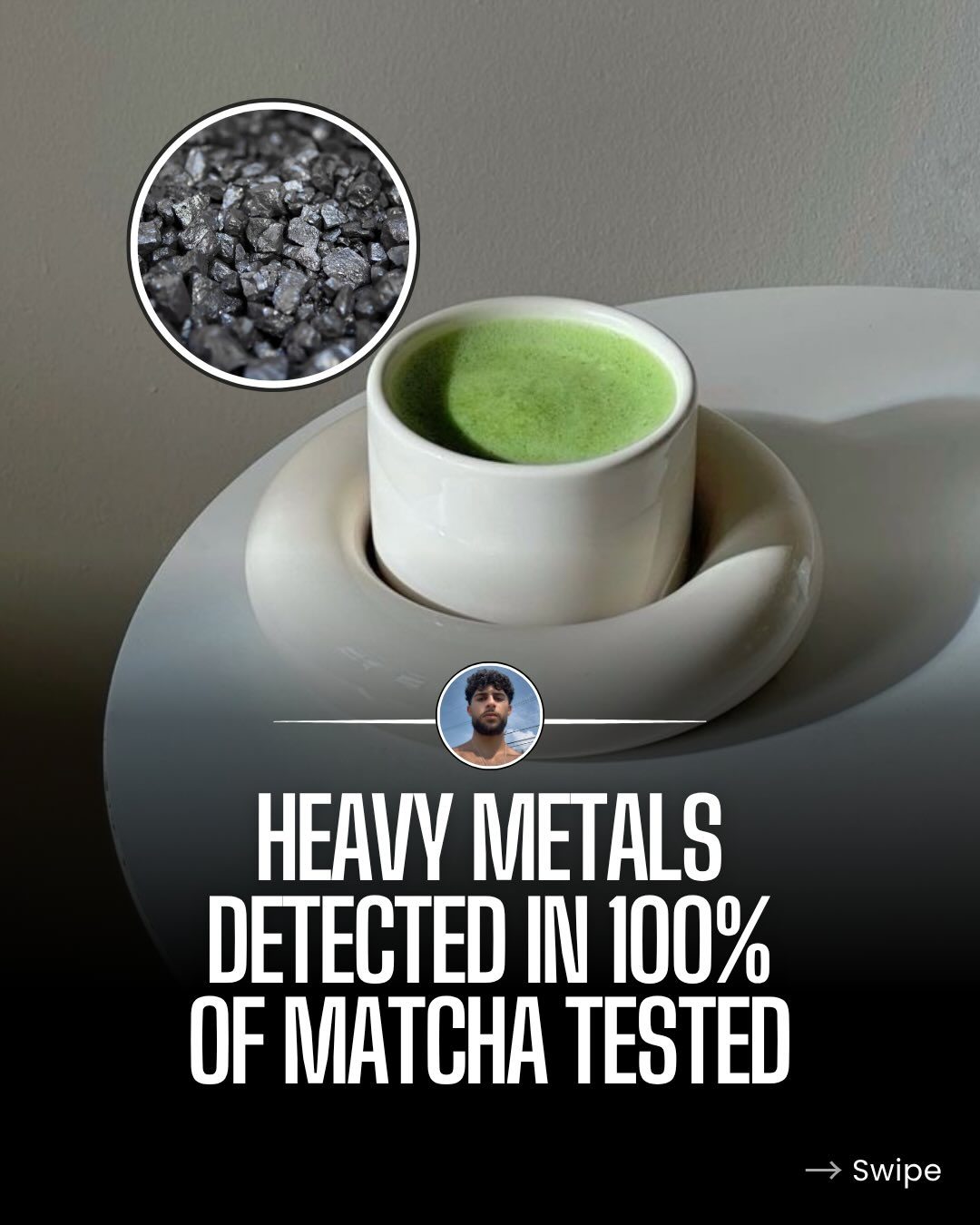
Matcha and Heavy Metals: What You Need to Know
Matcha, a vibrant green powder made from ground tea leaves, has gained significant popularity in recent years for its health benefits and versatility. However, recent findings have raised concerns about heavy metal contamination in matcha products. Independent consumer safety organization, Lead Safe Mama, sent nine of the most popular matcha brands to an accredited third-party lab for testing. The results were alarming: every single brand tested positive for heavy metals, including lead, cadmium, arsenic, and mercury.
Why This Matters
Heavy metals like lead, cadmium, arsenic, and mercury are known to have toxic effects on the human body. Long-term exposure to these metals can lead to serious health issues, including neurological damage, kidney problems, and even cancer. Given the widespread consumption of matcha, understanding the potential risks associated with heavy metal contamination is crucial for making informed decisions about your health.
The Testing and Results
The independent tests conducted by Lead Safe Mama revealed that all nine matcha brands contained heavy metals. Here is a breakdown of the findings for each brand:
Encha Organic Ceremonial
- Lead: 60 ppb
- Cadmium: 18 ppb
- Arsenic: 18 ppb
- Mercury: <5 ppb
Bryan Johnson BLUEPRINT
- Lead: 55 ppb
- Cadmium: 15 ppb
- Arsenic: 12 ppb
- Mercury: <5 ppb
Matchaful Kiwami Super Ceremonial
- Lead: 73 ppb
- Cadmium: 16 ppb
- Arsenic: 16 ppb
- Mercury: <5 ppb
Pique Sun Goddess
- Lead: 72 ppb
- Cadmium: 12 ppb
- Arsenic: 20 ppb
- Mercury: 5 ppb
Sencha Naturals Organic (Costco)
- Lead: 73 ppb
- Cadmium: 12.5 ppb
- Arsenic: 22.1 ppb
- Mercury: 7.7 ppb
Matcha.com Organic Superior
- Lead: 82 ppb
- Cadmium: 17 ppb
- Arsenic: 24 ppb
- Mercury: 6 ppb
Ka’Chava Superblend Matcha Shake
- Lead: 23 ppb
- Cadmium: 74 ppb
- Arsenic: 86 ppb
- Mercury: <5 ppb
DöMatcha Organic Ceremonial
- Lead: 115.7 ppb
- Cadmium: 18.7 ppb
- Arsenic: 24.4 ppb
- Mercury: <5 ppb
Jade Leaf Organic Ceremonial
- Lead: 153 ppb
- Cadmium: 79 ppb
- Arsenic: 22 ppb
- Mercury: 6 ppb
Understanding the Impact of Heavy Metals
Heavy metals can accumulate in the body over time, leading to chronic health issues. The levels detected in the matcha samples are concerning, as even low levels of exposure can have adverse effects, especially for vulnerable populations such as children, pregnant women, and the elderly. It is essential to be aware of these potential risks and take proactive steps to minimize exposure.
The Mind-Body Connection with Matcha
Despite the concerns about heavy metals, matcha is still celebrated for its mind-body benefits. Ka'Chava, a brand known for its all-in-one nutrition shake, highlights the connection between matcha and mental well-being. Matcha contains L-theanine, an amino acid that promotes relaxation and mental focus. Each cup of matcha is seen as an opportunity to nourish both the mind and the body, fostering a deeper sense of connection and balance.
Ka'Chava: The All-In-One Nutrition Solution
Ka'Chava is marketed as an all-in-one nutrition shake that provides a comprehensive blend of essential nutrients. This product contains:
- 25g of plant protein
- 26 vitamins and minerals
- 6g of fiber
- 85+ superfoods, including greens, probiotics, and adaptogens
- Omega-3s, MCTs, and digestive enzymes
Unlike traditional matcha products, Ka'Chava’s formula is designed to support overall health and wellness. It is free from sugar, stevia, preservatives, and artificial flavors or sweeteners, making it a cleaner and potentially safer option for those seeking the benefits of matcha without the risk of heavy metal contamination.
Practical Tips for Safe Consumption
If you enjoy matcha but are concerned about heavy metal contamination, consider the following tips:
-
Choose Certified Organic Matcha: Look for brands that are certified organic and follow strict quality control measures. Organic certifications often include testing for heavy metals and other contaminants.
-
Rotate Brands: Rotating between different brands can help reduce your exposure to heavy metals from a single source.
-
Opt for Lower Lead Content: Based on the test results, some brands have lower lead content than others. Opt for brands that have consistently lower levels of heavy metals.
-
Consider Ka'Chava: For those looking for a comprehensive nutrition solution, Ka'Chava offers a cleaner, more balanced option that includes matcha as part of a broader nutritional blend.
-
Stay Informed: Keep up to date with the latest research and consumer safety reports. Organizations like Lead Safe Mama provide valuable information and updates on product safety.
Important Takeaways
-
Heavy Metal Contamination: All nine tested matcha brands contained heavy metals, highlighting the need for caution when consuming matcha products.
-
Health Implications: Long-term exposure to heavy metals can lead to serious health issues, making it crucial to choose products wisely.
-
Ka'Chava as an Alternative: For those looking for a cleaner, more comprehensive nutritional solution, Ka'Chava offers a blend that includes matcha along with a wide range of beneficial nutrients.
-
Mindful Consumption: Rotating brands, choosing certified organic matcha, and staying informed can help mitigate the risks associated with heavy metal contamination.
Conclusion
The detection of heavy metals in matcha products is a significant concern that warrants attention. While matcha offers numerous health benefits, the presence of contaminants like lead, cadmium, arsenic, and mercury necessitates a more informed approach to consumption. Brands like Ka'Chava provide a cleaner, more balanced option that can help nourish the body and mind without the risks associated with traditional matcha products. By making informed choices and staying aware of the latest research, consumers can enjoy the benefits of matcha while minimizing potential health risks.
Watch the Reel
Questions readers ask
Which heavy metals were found in matcha products during these tests?
The tests conducted by Lead Safe Mama found four types of heavy metals in the matcha products: lead, cadmium, arsenic, and mercury.
Are organic matcha brands safe from heavy metal contamination?
The tests revealed that heavy metal contamination is not exclusive to conventional matcha brands. Even organic matcha brands contained toxic metals.
What are the potential health risks associated with heavy metals in matcha?
Prolonged exposure to heavy metals like lead, cadmium, arsenic, and mercury can lead to numerous health issues, including neurological damage, kidney problems, and even cancer.
How can I minimize my risk of consuming heavy metals from matcha?
To minimize risk, consider reducing your consumption of matcha, choosing brands with lower contamination levels, and opting for products that disclose their heavy metal testing results.
Were all the tested matcha brands contaminated with the same levels of heavy metals?
No, the levels varied among brands. Some brands had higher concentrations of specific metals, emphasizing the importance of checking individual test results for each brand.
Is ceremonial matcha more susceptible to contamination than other types?
Ceremonial matcha can be more susceptible to heavy metal contamination. This is because ceremonial matcha is typically made from younger tea leaves that can absorb more contaminants from the soil.
Which matcha brands were tested for heavy metal contamination?
Lead Safe Mama tested nine of the most popular matcha brands to determine the prevalence of heavy metal contamination. The specific brands were not named in the article.
Recent articles
Fresh deep dives from the latest Reels we unpacked.




Comments
Be the first to comment.