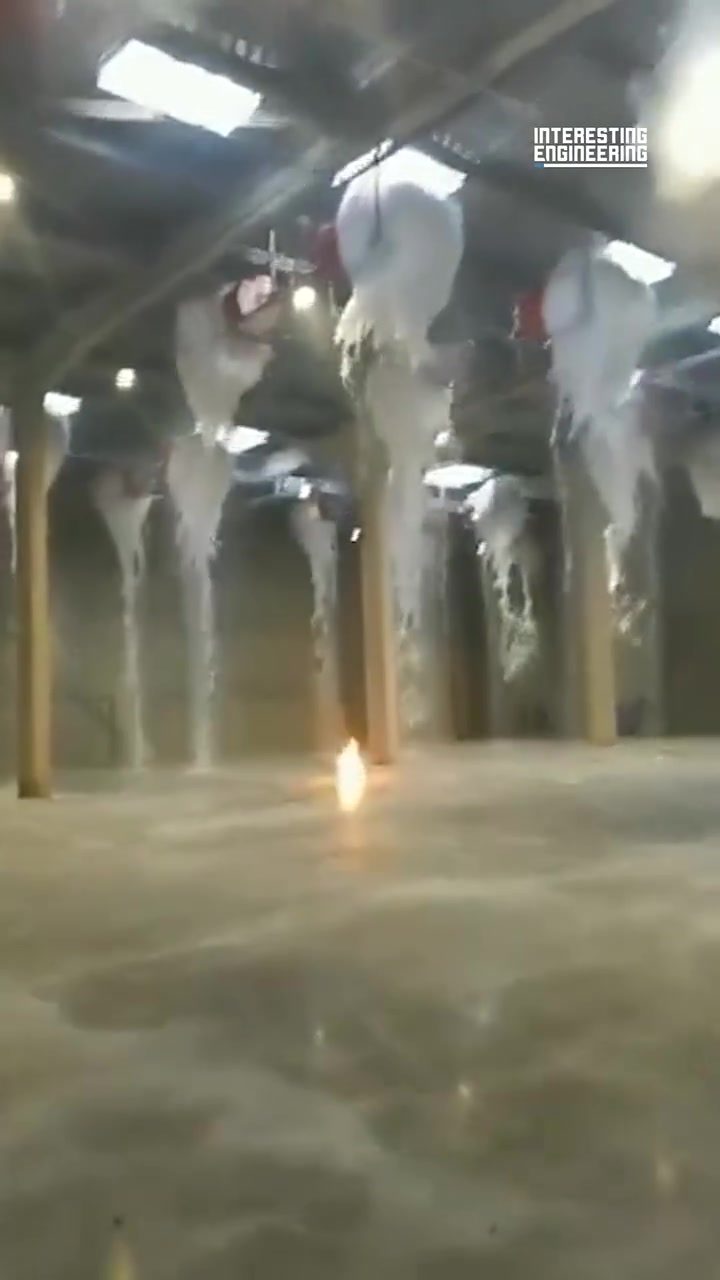
Foam Spraying Systems for Fire Suppression
Foam spraying systems are critical in many industrial and commercial settings, particularly where fire safety is paramount. These systems are designed to quickly extinguish fires, minimizing damage and ensuring the safety of both property and personnel. Understanding the functionality and applications of these systems can provide valuable insights into their importance in various settings.
Why This Matters
The effectiveness of a foam spraying system in fire suppression cannot be overstated. In environments like hangars, where aircraft or large equipment are stored, a fire can cause catastrophic damage. Traditional fire suppression methods, such as water sprays, may not always be effective or practical in these settings. Foam spraying systems offer a reliable and efficient solution, capable of quickly smothering fires and preventing their spread.
Main Discussion
How Foam Spraying Systems Work
Foam spraying systems operate by releasing a fine mist of fire-retardant foam, which effectively extinguishes flames. The foam creates a barrier between the fuel source and the oxygen, starving the fire of the oxygen it needs to burn. This method is particularly effective for fires involving flammable liquids or chemicals that are difficult to extinguish with water alone.
Components of a Foam Spraying System
-
Nozzles: The nozzles are suspended from the ceiling of the facility, ensuring an even distribution of foam across the entire area. This design guarantees that every part of the space is covered, leaving no room for fire to spread.
-
Foam Solution: The foam solution is typically a mixture of water and a specialized foam concentrate. This concentrate is designed to create a stable foam that can effectively smother fires and provide a cooling effect.
-
Delivery System: The delivery system includes pumps, valves, and piping that distribute the foam solution to the nozzles. This system is often automated, ensuring that the foam is deployed as quickly as possible in the event of a fire.
Applications of Foam Spraying Systems
Foam spraying systems are versatile and can be used in various settings beyond fire suppression.
Fire Suppression: As mentioned, the primary application of foam spraying systems is fire suppression. They are particularly effective in environments where flammable liquids, like jet fuel in a hangar, are present.
Insulation: Another application is insulation. Foam spraying systems can be used to create a layer of insulation, which helps in maintaining the temperature inside a building. It also provides soundproofing benefits by absorbing noise.
Cleaning: In some industrial settings, foam spraying systems can be used for cleaning purposes. The foam can be designed to dissolve grease and other contaminants, making it an effective cleaning solution for large-scale industrial spaces.
Environmental Protection: In addition to fire safety, these systems can also play a role in environmental protection. By quickly controlling and suppressing fires, they help prevent the release of harmful pollutants into the atmosphere, reducing the environmental impact of industrial accidents.
Practical Tips for Installing and Maintaining a Foam Spraying System
Design Considerations
-
Coverage Area: Ensure that the system is designed to cover the entire area effectively. This means having enough nozzles and the right placement to distribute the foam evenly.
-
Foam Concentrate: The quality of the foam concentrate is crucial. Opt for high-quality, specialized concentrates that are designed for your specific needs (e.g., flammable liquids, grease, etc.).
-
System Integration: The foam spraying system should be integrated with the facility’s existing fire detection and alarm systems. This ensures that the foam is deployed as soon as a fire is detected.
Regular Maintenance
-
Inspections: Regular inspections are essential to ensure the system is in good working condition. This includes checking the nozzles, pumps, and piping for any signs of wear or damage.
-
Testing: Conduct regular tests to ensure the system works as intended. This can include simulations of fire scenarios to check the response time and effectiveness of the foam.
-
Cleaning: Keep the system clean and free of debris. This helps in maintaining the efficiency of the foam distribution and prevents blockages in the nozzles and piping.
Important Takeaways
Foam spraying systems are indispensable in environments where fire safety is a top priority. They offer a reliable and effective means of fire suppression, insulation, and cleaning, making them a versatile choice for various industrial and commercial settings. Regular maintenance and proper design are key to ensuring the system works effectively when needed.
Conclusion
Whether in a hangar storing aircraft or a large industrial facility, the ability to quickly and effectively suppress fires is crucial. Foam spraying systems provide a robust solution, ensuring that fires are extinguished swiftly, minimizing damage, and protecting both property and personnel. By understanding the components, applications, and maintenance requirements of these systems, you can ensure that your facility is well-prepared to handle any fire-related emergencies.
Watch the Reel
Recent articles
Fresh deep dives from the latest Reels we unpacked.




Comments
Be the first to comment.