The Role of Preparation in Nutrition: Healthy vs. Unhealthy Food Choices
Understanding the nutritional value of food involves more than just labeling items as "good" or "bad." The preparation and form of food play a significant role in determining its health benefits. This is particularly true for meats, fish, and carbohydrates. By focusing on the form and preparation of food, you can make better choices that support your health and fitness goals.
Why This Matters
The way food is prepared can dramatically alter its nutritional profile. For instance, a simple change from grilling to deep-frying can turn a healthy meal into an unhealthy one. Understanding these differences can help you make informed decisions about your diet and overall health. By focusing on preparation, you can enjoy a wide range of foods while maintaining a balanced and nutritious diet.
The Importance of Food Form and Preparation
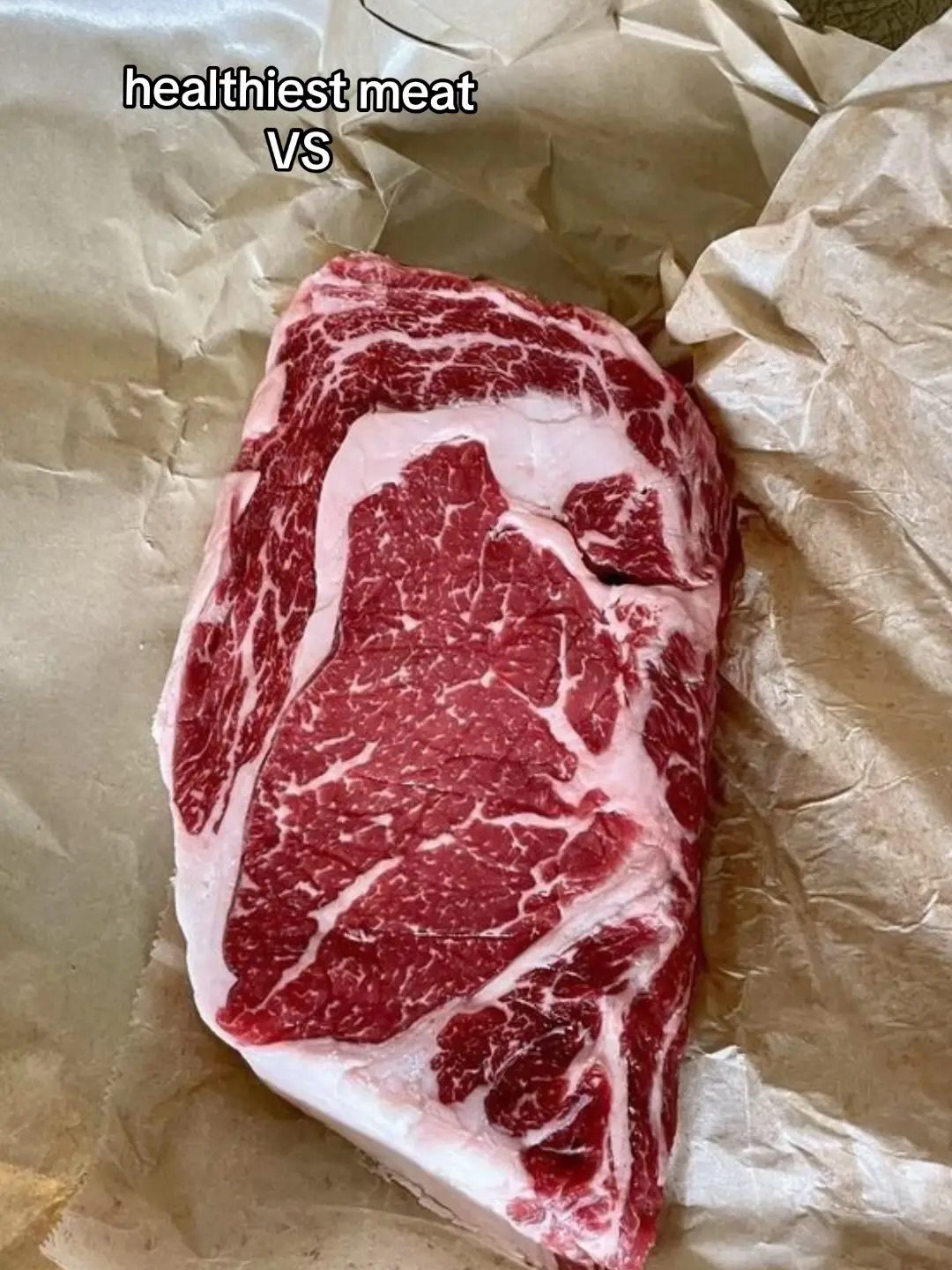
Meats: Real Cuts vs. Processed
Meats are a staple in many diets, but their nutritional value can vary significantly depending on how they are processed. Real, whole cuts of meat, such as steak, are rich in protein and essential nutrients. These cuts provide the body with fuel and support overall health. On the other hand, processed meats often contain preservatives, high levels of sodium, and low-quality fats. These additives can have negative health effects, making processed meats a less desirable option for a healthy diet.
Fish: Fresh vs. Fried
Fish is known for its high content of omega-3 fatty acids and lean protein, making it a popular choice for health-conscious eaters. Fresh, grilled, or baked fish retains these beneficial nutrients. However, when fish is deep-fried, it becomes loaded with oils and calories, negating many of its health benefits. Fish and chips, for example, are often considered one of the unhealthiest fish dishes due to the high fat content from frying. Opting for healthier cooking methods can help you enjoy fish while reaping its nutritional rewards.
Carbohydrates: Whole vs. Ultra-Processed
Carbohydrates are an essential part of a balanced diet, providing energy and fiber. Whole carbohydrates, such as potatoes, rice, and oats, offer sustained energy and fiber, which aids in digestion and satiety. In contrast, ultra-processed carbohydrates like bread can cause rapid spikes in blood sugar and provide little nutritional value. These carbohydrates are often high in calories but low in nutrients, making them a less healthy choice. For example, Nature's Own Butterbread, labeled as an unhealthy carb, is an example of ultra-processed carbohydrates that lack nutritional value.
Fruits: Whole vs. Processed
Fruits are nature's candy, packed with vitamins, fiber, and hydration. Whole fruits provide these benefits without added sugars or preservatives. Processed fruits, on the other hand, often come with added sugars and lack the fiber content of their whole counterparts. Portion control and context matter when it comes to fruit consumption. Enjoying whole fruits in moderation can be part of a healthy diet, while overly processed fruit products should be consumed sparingly.
Practical Tips
- Choose Whole Foods: Opt for whole, unprocessed foods whenever possible. These foods are generally higher in nutrients and lower in additives.
- Cook Smart: Choose healthier cooking methods such as grilling, baking, or steaming. These methods help retain the nutritional value of food without adding excess fats and calories.
- Avoid Ultra-Processed Foods: Ultra-processed foods are often high in calories and low in nutrients. Limit your intake of these foods to maintain a balanced diet.
- Plan Your Meals: Meal planning can help you make healthier choices and avoid impulse decisions that lead to unhealthy food consumption.
- Use Apps for Guidance: Nutrition apps, like Workit, can provide data-driven insights and help you stay on track with your nutritional goals. These apps offer features like calorie tracking, macro breakdowns, and balanced meal plans.
Important Takeaways
Focus on Preparation: The way food is prepared can significantly impact its nutritional value. Opting for grilled, baked, or steamed foods over fried or processed options is a healthier choice. Whole Foods Are Best: Whole foods, such as real cuts of meat, fresh fish, and whole carbohydrates, are generally more nutritious than their processed counterparts. Balance and Moderation: Balance and moderation are key to a healthy diet. Enjoy a variety of foods in appropriate portions to maintain overall health.
Conclusion
The form and preparation of food play a crucial role in determining its nutritional value. By focusing on whole, unprocessed foods and healthier cooking methods, you can enjoy a balanced and nutritious diet. Whether you're choosing between steak and processed meats, grilled fish and fish and chips, or whole grains and ultra-processed carbs, the preparation and form of the food make all the difference.
Watch the Reel
Questions readers ask
How does the method of cooking affect the healthiness of food?
The cooking method can significantly change the nutritional profile of food. For example, grilling is generally healthier than frying because it requires less or no oil, helping to retain more of the food's natural nutrients and reducing the calorie count. Conversely, frying can add excess calories and unhealthy fats, making the food less beneficial.
What are some of the unhealthiest cooking methods?
Deep-frying, pan-frying, and using excessive oil in cooking are some of the least healthy methods. These techniques often add large amounts of fat and calories to food, which can be detrimental to overall health and weight management.
Why is it important to choose whole foods over processed foods?
Whole foods, such as fresh fruits, vegetables, and unprocessed meats, retain more of their natural nutrients because they haven't been stripped down or had chemicals added. On the other hand, processed foods often contain added sugars, unhealthy fats, and preservatives. These can lead to negative health outcomes when consumed regularly.
What are the health benefits of grilling?
Grilling is a healthier cooking method because it generally requires less oil and allows fat to drip away from the food. This process helps to reduce the calorie count and retain more of the food's natural nutrients, making it a great option for those looking to maintain a balanced diet.
How can meal prep help in maintaining a healthy diet?
Meal prep allows you to plan and control the ingredients and cooking methods used in your meals. By prepping meals in advance, you can ensure that you're choosing whole foods and healthy cooking methods, which can help you avoid impulsive, unhealthy food choices throughout the week.
What are some healthy cooking techniques for fish?
The best cooking methods for fish include grilling, baking, and poaching. These techniques help to retain the fish's natural flavors and nutrients without adding excess fat or calories. Additionally, they can enhance the taste and texture of the fish, making it a more enjoyable part of a healthy diet.
How can a food prep app assist in healthier food choices?
A food prep app can assist in making healthier food choices by providing recipes, meal plans, and cooking techniques that emphasize whole foods and healthy preparation methods. These apps often include nutritional information, making it easier to track your dietary intake and stay on track with your health goals.
Recent articles
Fresh deep dives from the latest Reels we unpacked.




Comments
Be the first to comment.