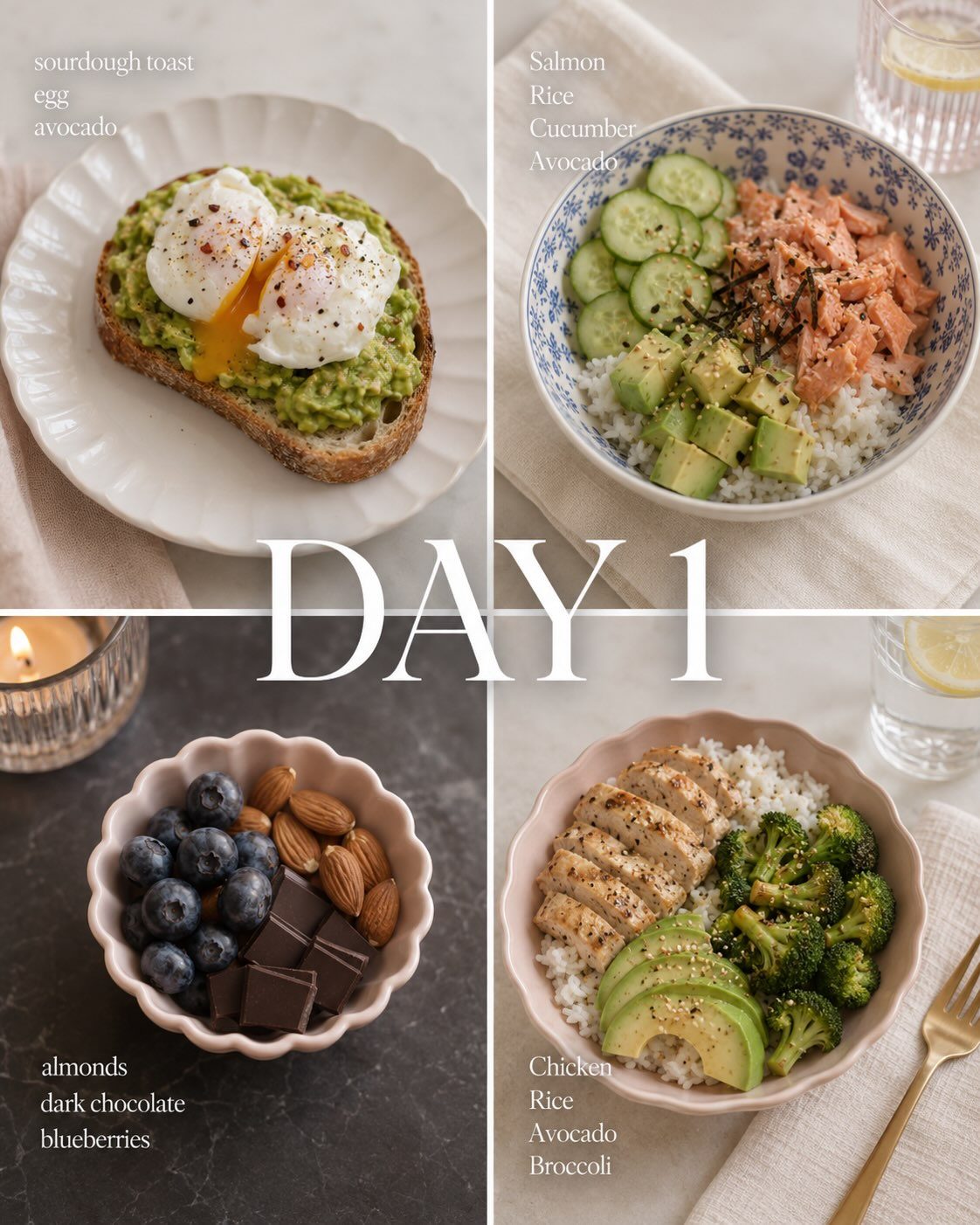
A Week of Balanced Meals
Weekly meal planning can transform your nutrition regimen, making it simpler to maintain a balanced diet. The key is to focus on a diverse array of ingredients that provide essential nutrients while keeping meals satisfying and enjoyable. Below is a guide to creating a week's worth of meals that combine protein, carbs, healthy fats, and plenty of fruits and vegetables.
Why This Matters
Meal planning is more than just organizing your meals; it’s about making balanced eating convenient and sustainable. By having a plan in place, you can avoid last-minute, unhealthy food choices and ensure that your meals are both tasty and nutritious.
Main Discussion
Protein for Recovery and Satisfaction
Protein is essential for muscle recovery and keeps you feeling full for longer. Include a variety of protein sources in your meals to support your body’s needs:
- Eggs are a versatile protein source that can be prepared in many ways.
- Chicken and fish provide lean protein options that pair well with various sides.
- Plant-based proteins such as tofu, lentils, and legumes are excellent for vegetable-based meals.
Carbohydrates for Energy
Carbs are crucial for fueling your body, whether you’re training for a marathon or just going about your daily routine. Focus on whole grains and complex carbohydrates:
- Whole grain bread and oatmeal provide sustained energy.
- Rice, quinoa, and potatoes are flexible options that can be paired with different proteins and vegetables.
Healthy Fats for Flavor and Fullness
Healthy fats add flavor and help you feel satisfied after meals. Incorporate them into your diet through:
- Avocado and nuts
- Olive oil and avocado oil for cooking and dressings
- Dark chocolate as a treat
Fruits and Vegetables for Variety and Nutrition
Fruits and vegetables provide essential vitamins, minerals, and fiber. Aim to include a variety of colors in your meals to ensure you’re getting a broad spectrum of nutrients:
- Spinach, broccoli, and cucumbers are great for salads and side dishes.
- Berries, bananas, and strawberries make for delicious snacks and dessert options.
Practical Tips
Breakfast Ideas
Start your day with a nutritious breakfast that sets the tone for the rest of your meals:
- Eggs on Sourdough Toast: A classic combination with avocado and a side of fruit.
- Oatmeal Bowls: Top with berries, nuts, and a drizzle of peanut butter.
- Greek Yogurt Bowls: Mix with fruit, chia seeds, and a sprinkle of granola.
- Omelets: Pack them with vegetables and a bit of cheese for added flavor.
Lunch Ideas
Lunch can be just as satisfying and nutritious as breakfast. Consider these options:
- Chicken Salad: Mix shredded chicken with veggies, nuts, and a healthy dressing.
- Wraps: Use whole grain wraps with chicken, avocado, and veggies.
- Salmon Bowls: Combine salmon with rice, vegetables, and a sauce like hummus or tahini.
- Protein-Packed Plates: Create a balanced plate with rice, protein, and a variety of vegetables.
Snack Ideas
Snacks can help you stay energized between meals. Choose options that are both nutritious and satisfying:
- Yogurt and Berries: A simple and delicious snack.
- Almonds with Dark Chocolate: For a sweet and crunchy treat.
- Stuffed Dates: Filled with nut butter or cheese for a protein boost.
- Fruit: Always a go-to for a quick and healthy snack.
- Cottage Cheese: Pair with fruit or nuts for added protein.
Dinner Ideas
Dinner is the perfect time to experiment with different combinations of proteins, carbs, and vegetables. Try these ideas:
- Chicken and Rice Bowls: Combine chicken, rice, and a mix of your favorite veggies.
- Salads: Loaded with protein, vegetables, and a healthy dressing.
- Vegetable Stir-Fry: With your choice of protein and a side of rice or quinoa.
- Loaded Sweet Potatoes: Top with black beans, corn, avocado, and a dollop of Greek yogurt.
Important Takeaways
- Variety is Key: Mix and match your proteins, carbs, and vegetables to avoid boredom and ensure a balanced intake of nutrients.
- Prep Ahead: Plan your meals for the week and prep ingredients in advance to save time and stay on track.
- Listen to Your Body: Adjust portion sizes based on your hunger and activity level.
- Enjoy the Process: Make meal planning a fun and creative part of your routine, rather than a chore.
Conclusion
Creating a week of balanced meals doesn't have to be complicated. By focusing on a few basic components—protein, carbs, healthy fats, and fruits and vegetables—you can build satisfying and nutritious meals that support your health and fitness goals. Use these ideas as a starting point and adapt them to your needs and preferences.
Watch the Reel
Questions readers ask
How do I start planning a week of healthy meals?
Begin by selecting a variety of nutrient-rich ingredients, including lean proteins, whole grains, and plenty of fruits and vegetables. Create a list of meals that incorporate these ingredients, ensuring that each day's meals provide a balance of essential nutrients. Consider your daily schedule and preferences to make the plan enjoyable and sustainable.
What are some quick and healthy meal ideas for busy individuals?
Opt for easy meal bowls, like sourdough and vegetable bowls, and quick protein-rich meals. Avocado and egg breakfast or avocado toast with boiled eggs and a side of fruit can be prepared quickly and boost your energy. For lunch, try chicken and rice bowls with a side of steamed vegetables, which can be prepped in advance to save time.
How do I ensure my meals are balanced and nutritious?
Focus on incorporating a mix of proteins, healthy carbs, and fats in each meal. Include plenty of colorful fruits and vegetables to ensure a wide range of vitamins and minerals. For example, pair lean proteins like grilled chicken with complex carbs such as brown rice and a side of mixed greens. Healthy fats from avocados or nuts can also be added to enhance flavor and nutrition.
What are some healthy breakfast ideas to kickstart my day?
Yogurt breakfast recipes with a mix of fruits, nuts, and a drizzle of honey can be a great start. Avocado and egg breakfast or avocado toast with a side of berries are also excellent choices. For a hearty breakfast, try a smoothie bowl packed with frozen fruits, spinach, and a scoop of protein powder.
How can I incorporate healthy snacks into my daily routine?
Choose snacks that are both tasty and nutritious, such as dark chocolate, which is rich in antioxidants. Pair it with a piece of fruit or a small handful of nuts for a balanced snack. Other options include vegetable sticks with hummus, Greek yogurt with a sprinkle of granola, or a small portion of mixed berries.
What are some benefits of weekly meal prepping?
Weekly meal prepping saves time and reduces stress by eliminating the need for daily decision-making about what to eat. It also helps you maintain a balanced diet by ensuring that all necessary nutrients are included in your meals. Additionally, prepping meals in advance can prevent you from choosing less healthy options when you’re short on time.
How do meals with protein help in recovery after workouts?
Protein-rich meals are crucial for muscle recovery, as they provide the necessary amino acids to repair and build muscle tissue. Consuming protein after a workout helps to reduce muscle soreness, and promotes muscle growth. Include lean proteins like grilled chicken, fish, or tofu in your post-workout meals to support your daily workout routine.
Recent articles
Fresh deep dives from the latest Reels we unpacked.




Comments
Be the first to comment.