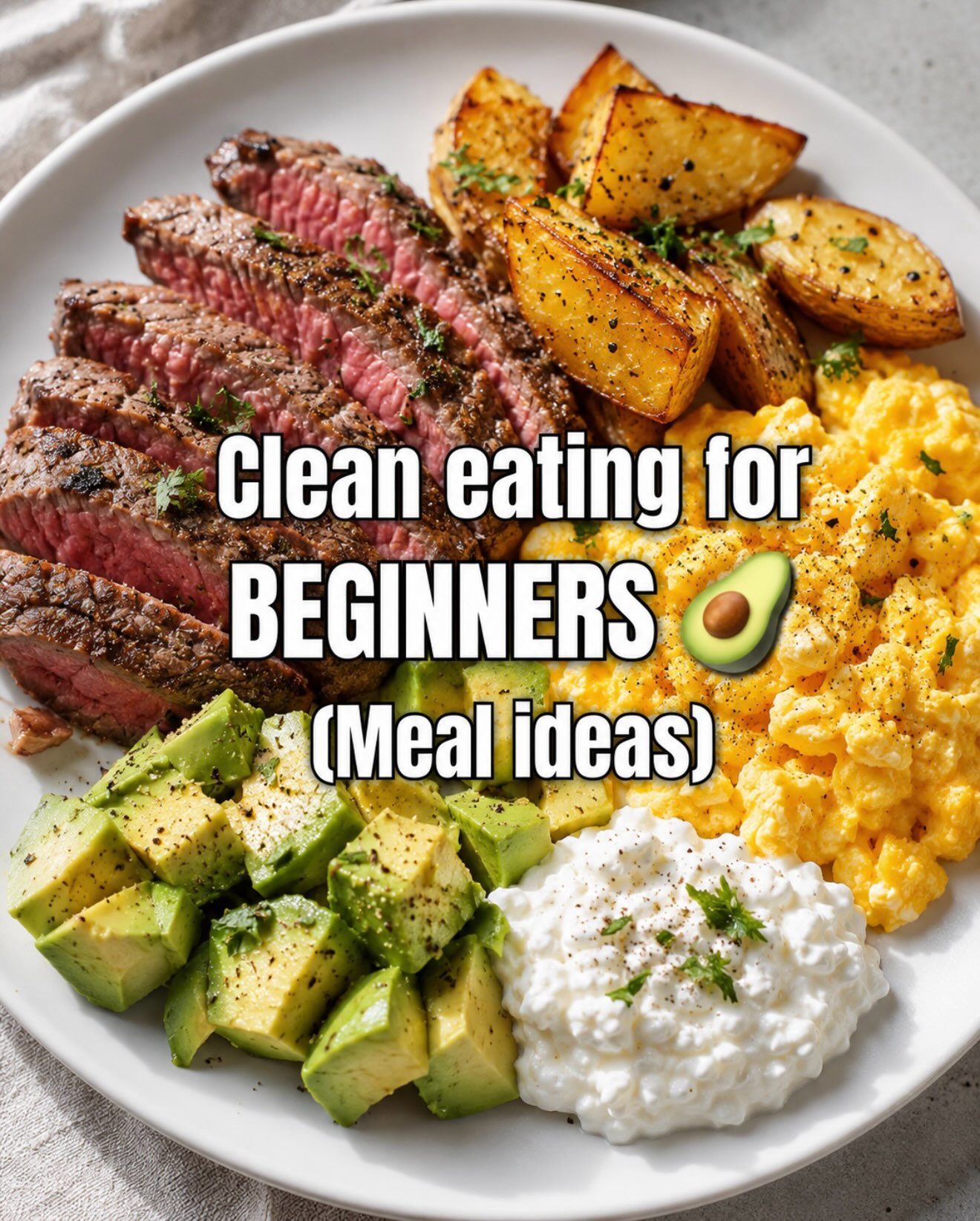
Clean Eating for Beginners
Clean eating doesn't have to be an intimidating process. In fact, it can be quite simple and enjoyable, especially when you focus on building meals around a few key components. Whether you're just starting out or looking for some fresh inspiration, understanding the basics of clean eating can help you make healthier choices without feeling overwhelmed.
Getting started with clean eating is often easier than it seems. Focus on a few fundamental elements: protein, a carb source, healthy fats, and fruit and/or vegetables. These elements form the foundation of a balanced, nutritious meal. Here's a closer look at how to incorporate these basics into your meals, along with some inspiring meal ideas.
Why This Matters
Clean eating is about more than just cutting out processed foods and sugars; it's about nourishing your body with wholesome, nutrient-dense ingredients. This approach can help you maintain energy levels, support muscle recovery, and improve overall health. By focusing on simple, whole foods, you can create meals that are both satisfying and nutritious. Clean eating doesn't require fancy ingredients or hours in the kitchen. In fact, some of the best clean-eating meals are made with basic, readily available foods.
Main Discussion
Building Balanced Meals
A well-rounded meal includes protein, a carb source, healthy fats, and produce. Here’s a breakdown of each component and why it matters:
Protein: Protein is essential for muscle repair, recovery, and satiety. Include sources like chicken, fish, eggs, or plant-based proteins in your meals to support your fitness goals and keep you full.
Carb Sources: Carbohydrates provide energy and can be an important part of a balanced diet. Opt for complex carbs like rice, whole grains, and fruit to fuel your body and support overall health.
Healthy Fats: Fats are crucial for satiety and absorption of fat-soluble vitamins. Incorporate foods like avocado, salmon, olive oil, and eggs to add richness and balance to your meals.
Fruits and Vegetables: Produce provides essential vitamins, minerals, and fiber. Add vegetables and fruits to your meals to boost nutrition, add volume, and enhance flavors.
Meal Ideas for Beginners
Let's dive into some simple, beginner-friendly meal ideas that incorporate these balanced components:
Chicken, Rice, and Asparagus
This classic combination is easy to prepare and packed with essential nutrients. Chicken provides protein, rice gives you complex carbohydrates, and asparagus adds a boost of vitamins and fiber. Season to taste and enjoy a meal that’s both satisfying and nutritious.
Avocado Toast with Eggs and Strawberries
Avocado toast is a delicious and versatile option for breakfast or a light lunch. It’s made with whole grain or sourdough toast, mashed avocado, and scrambled eggs. Top with sliced strawberries for a fruity twist. This meal is balanced with healthy fats from the avocado, protein from the eggs, and carbs from the toast and fruit. The approximate macros for this meal are about 410 calories, 28 grams of protein, 22 grams of carbs, and 24 grams of fat.
Chicken, Rice, and Avocado Lettuce Wraps
These wraps offer a fun twist on traditional meals. Use lettuce leaves as a wrapper for chicken, rice, and sliced avocado. This meal is light, refreshing, and full of nutrients. It's also a great low-carb option if you're watching your carb intake.
Salmon, Rice, Avocado, and Broccoli
Salmon is a fantastic source of healthy fats, especially omega-3s, which support heart health. Pair it with rice for carbs, avocado for more healthy fats, and broccoli for fiber and vitamins. This meal is both delicious and nutrient-dense.
Steak Caesar Salad
This meal combines lean protein from steak, fresh greens, and hearty toppings. Add some avocado for healthy fats, and you have a balanced, satisfying salad that’s perfect for a light lunch or dinner.
Practical Tips
When starting your clean-eating journey, consider the following tips to make the process smoother:
1. Prioritize Protein: Start by selecting a protein source for your meal. This could be chicken, fish, tofu, or eggs. Protein is essential for muscle recovery and will help you feel fuller for longer.
2. Don’t Fear Carbs: Carbohydrates are a necessary part of a balanced diet. Opt for complex carbs like brown rice, whole grain toast, or fruit to sustain your energy levels.
3. Include Healthy Fats: Healthy fats are crucial for satiety and nutrient absorption. Incorporate foods like avocado, salmon, and olive oil into your meals to add richness and balance.
4. Add Produce Where You Can: Fruits and vegetables provide essential vitamins, minerals, and fiber. Add them to your meals to boost nutrition and make your dishes more filling.
5. Keep It Simple Enough to Repeat: The best meal plan is the one you can stick to. Choose simple, easy-to-prepare meals that you can repeat throughout the week. This will help you stay consistent and make clean eating a sustainable habit.
Important Takeaways
Clean eating is all about making better choices more often. By focusing on whole, unprocessed foods and balancing your meals with protein, carbs, healthy fats, and produce, you can create nutritious and satisfying meals without feeling stressed. Remember, the key to successful clean eating is consistency and simplicity. Choose meals that are easy to prepare and enjoyable to eat, and you’ll be well on your way to a healthier lifestyle.
Conclusion
Clean eating doesn't have to be complicated. By focusing on simple, whole foods and balancing your meals, you can create delicious and nutritious dishes that support your health goals. Whether you're a beginner or looking to refresh your meal ideas, these tips and recipes will help you get started on your clean-eating journey. Enjoy the process, and remember that consistency is key.
Watch the Reel
Questions readers ask
What are the key components of a clean eating meal?
A balanced clean eating meal typically includes a source of lean protein, a healthy carbohydrate, beneficial fats, and plenty of fruits and/or vegetables. These components work together to provide essential nutrients and support overall well-being.
Can you suggest some easy clean eating recipes for beginners?
Start with simple recipes like grilled chicken with quinoa and steamed vegetables, avocado toast with a poached egg, or a salad with mixed greens, cherry tomatoes, cucumber, and grilled salmon. These meals incorporate the key components of clean eating and are easy to prepare.
I'm looking for healthy meal ideas on a budget. What are some affordable options?
Opt for budget-friendly proteins like canned beans, lentils, or eggs. Fill up on affordable carbs such as brown rice, sweet potatoes, or whole-grain bread. Load up on frozen vegetables, which are just as nutritious as fresh ones and often more economical. These choices can help you maintain a nutritious diet without breaking the bank.
What are some healthy breakfast ideas for clean eating?
Consider starting your day with a protein smoothie, Greek yogurt with mixed berries and a drizzle of honey, or a vegetable and cheese omelette. These breakfast ideas provide a good balance of protein, healthy carbs, and fats to fuel your morning.
How can I incorporate clean eating into my lunch routine?
Prepare meals like a turkey and avocado wrap with whole-grain tortilla, a quinoa salad with grilled vegetables, or a lentil soup with a side of mixed greens. These lunch ideas are easy to prepare in advance and can be taken to work or school, helping you stay on track with your clean eating goals.
What are some easy clean eating recipes for dinner?
Try making a baked lemon herb chicken with a side of roasted broccoli and sweet potato, or a simple stir-fry with tofu, mixed vegetables, and brown rice. These dinner ideas are not only easy to prepare but also provide a satisfying balance of protein, healthy carbs, and fats.
Are there any clean eating snacks I can prepare quickly?
Absolutely! Some quick and easy clean eating snacks include apple slices with almond butter, a small handful of mixed nuts, or carrot and cucumber sticks with hummus. These snacks are not only convenient but also provide essential nutrients to keep you energized between meals.
Recent articles
Fresh deep dives from the latest Reels we unpacked.




Comments
Be the first to comment.