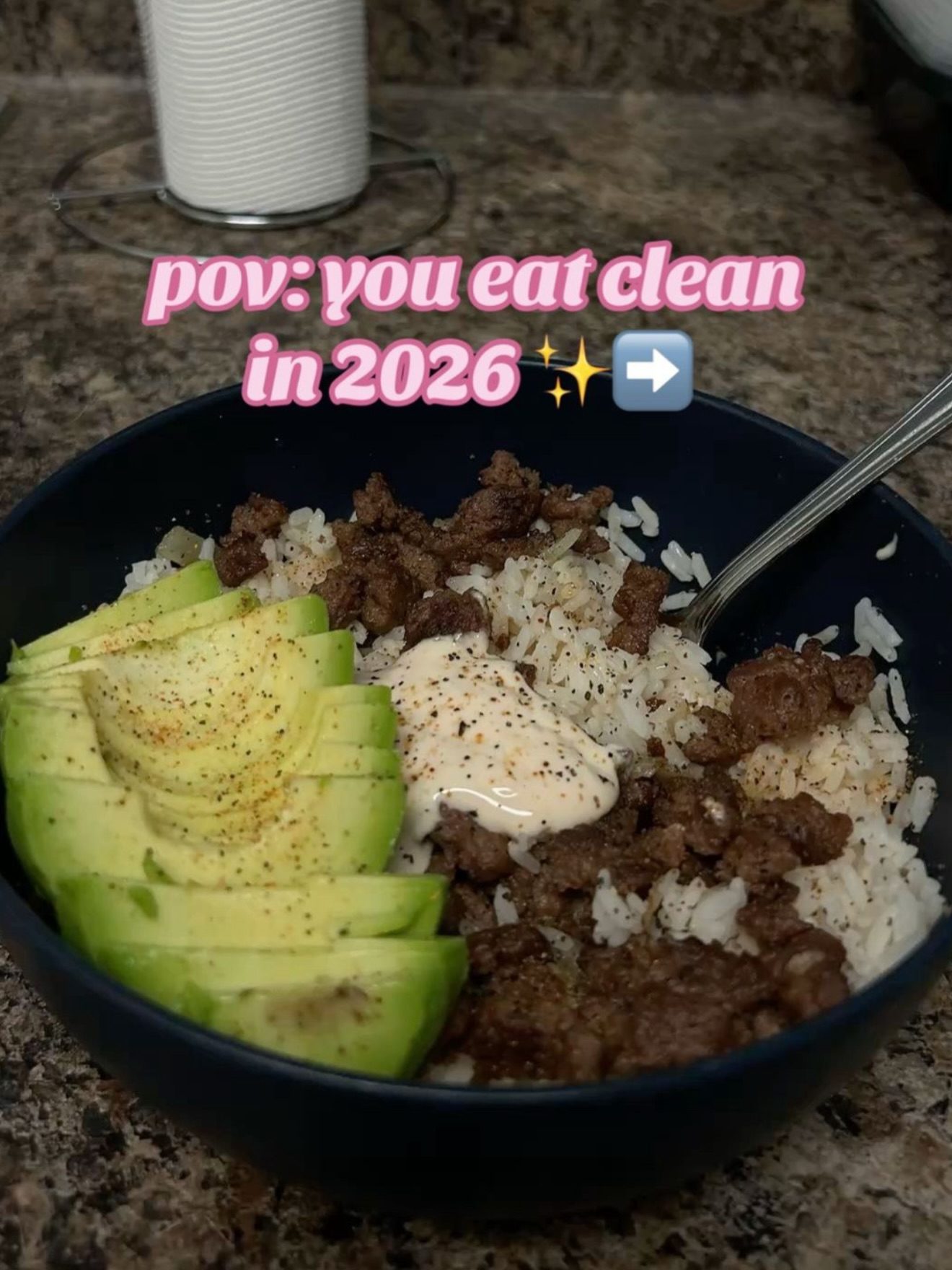
Clean Eating in 2026: Balanced Meals for Sustainable Health
Clean eating has evolved significantly over the years, moving away from restrictive diets and boring salads. By 2026, the focus is on balanced, enjoyable meals that provide real nutrition without sacrificing taste. This approach emphasizes whole foods and a variety of nutrient-dense ingredients, making it easier to stay consistent and achieve long-term health goals.
Why This Matters
The concept of clean eating is not just about what you eat, but how you eat. It's about creating a sustainable lifestyle that includes real food, balanced plates, and meals you actually enjoy. This approach is designed to help you stay full, build muscle, and maintain energy levels throughout the day. By focusing on a variety of nutrient-dense foods, you can ensure that your body gets the fuel it needs to function optimally.
Main Discussion
The Building Blocks of Clean Eating
Clean eating in 2026 is all about balance. This means incorporating a variety of macronutrients into your meals to ensure you get the right mix of energy, satisfaction, and health benefits. Here are the key components:
Protein
Protein is essential for building and repairing muscle tissue. It also helps keep you full and satisfied, preventing overeating and unnecessary snacking.
Examples of protein sources:
- Steak
- Chicken
- Salmon
Incorporating these proteins into your diet will help you maintain muscle mass and support your overall fitness goals. Protein keeps you full and focused, helping you avoid the pitfalls of overeating and unhealthy snacking.
Carbohydrates
Carbohydrates are your body's primary source of energy. They provide the fuel you need to power through your day, whether you're at work, exercising, or simply going about your daily routine.
Examples of carbohydrate sources:
- Potatoes
- Rice
These carbs provide sustained energy, keeping you from feeling drained and helping you maintain your energy levels all day long.
Fats
Healthy fats are crucial for hormone regulation and overall satisfaction. They help you feel full and satisfied, reducing the likelihood of overeating and snacking on unhealthy foods.
Examples of healthy fat sources:
- Avocado
- Sauces
These fats provide essential nutrients and help keep you feeling satisfied, making it easier to stick to your healthy eating plan.
Vegetables
Veggies are packed with essential vitamins, minerals, and fiber. They add volume to your meals, helping you feel full without adding excess calories.
Examples of vegetable sources:
- Asparagus
Vegetables are a critical part of a balanced diet, providing the nutrients your body needs to function at its best. They add volume to your meals, helping you feel full and satisfied without adding excess calories.
Building Balanced Meals
Creating balanced meals is essential for staying consistent with your clean eating goals. Here are some tips for building meals that are both nutritious and enjoyable:
-
Focus on Whole Foods: Choose whole, unprocessed foods that provide real nutrition. Avoid packaged and processed foods that are high in added sugars, unhealthy fats, and artificial ingredients.
-
Variety of Ingredients: Incorporate a variety of ingredients into your meals to ensure you get a wide range of nutrients. This includes proteins, carbs, fats, and veggies.
-
Portion Control: Pay attention to portion sizes to ensure you're getting the right balance of nutrients without overeating. Aim for balanced portions that include all the key macronutrients.
Practical Tips
Meal Planning
Meal planning is a crucial part of staying consistent with your clean eating goals. Here are some practical tips for meal planning:
-
Plan Ahead: Take some time each week to plan your meals for the coming days. This will help you stay organized and ensure you have all the ingredients you need on hand.
-
Prep in Advance: Prep your meals in advance to save time and reduce the temptation to opt for unhealthy options when you're short on time. This could involve chopping vegetables, portioning out proteins, or cooking meals in bulk.
-
Keep It Simple: Don't overcomplicate your meals. Keep it simple with a variety of balanced, nutritious ingredients that you enjoy.
Tracking Your Progress
Tracking your progress is essential for staying motivated and achieving your health goals. Here are some tips for tracking your progress:
-
Track Your Meals: Use a smartphone app to track your meals, calories, and macro intake. This will help you stay accountable and make adjustments as needed.
-
Monitor Your Activity: Keep track of your daily activity to ensure you're getting enough physical activity to support your health goals. Use a fitness tracker or smartphone app to monitor your steps, workouts, and other physical activities.
-
Set Realistic Goals: Set realistic, achievable goals for yourself. This could include weight loss targets, fitness milestones, or other health-related objectives. Regularly review and adjust your goals as needed to stay motivated and on track.
Staying Consistent
Consistency is key to achieving long-term health goals. Here are some tips for staying consistent with your clean eating lifestyle:
-
Eat Enough: Make sure you're eating enough to support your energy levels and overall health. This means eating balanced, nutritious meals that include all the key macronutrients.
-
Avoid Extremes: Avoid extremes such as cutting carbs completely, eating tiny portions, or following a "perfect diet" for only a few days. Instead, focus on building meals that are balanced, nutritious, and enjoyable.
-
Stay Consistent: Consistency is key to achieving long-term health goals. Stick to your healthy eating plan, even when faced with challenges or setbacks.
Important Takeaways
-
Clean Eating is About Balance: Focus on balanced meals that include a variety of nutrient-dense ingredients. This will help you stay full, energized, and satisfied.
-
Variety is Key: Incorporate a variety of ingredients into your meals to ensure you get a wide range of nutrients. This includes proteins, carbs, fats, and veggies.
-
Stay Consistent: Consistency is key to achieving long-term health goals. Stick to your healthy eating plan, even when faced with challenges or setbacks.
-
Use Technology: Leverage the power of technology, such as the Workit app, to track your meals, monitor your activity, and achieve your fitness goals more efficiently.
Conclusion
By 2026, clean eating has evolved to focus on balanced, enjoyable meals that provide real nutrition without sacrificing taste. This approach emphasizes whole foods and a variety of nutrient-dense ingredients, making it easier to stay consistent and achieve long-term health goals. By incorporating proteins, carbs, fats, and veggies into your meals, you can ensure that your body gets the fuel it needs to function optimally. Stay consistent, track your progress, and leverage the power of technology to achieve your health and fitness goals.
Watch the Reel
Questions readers ask
What are the key aspects of clean eating in 2026?
Clean eating in 2026 is centered around balanced, enjoyable meals using whole, nutrient-dense ingredients. It emphasizes macronutrient balance, ensuring meals include proteins, carbohydrates, and fats. The goal is to create sustainable health habits that are easy to maintain long-term.
How does the 2026 clean eating approach differ from past trends?
Unlike restrictive diets of the past, clean eating in 2026 focuses on variety and enjoyment. It encourages meals that are both nutritious and satisfying, such as avocado and rice, or healthy steak and potatoes. This approach makes it easier to stick to healthy eating goals without feeling deprived.
What are macronutrients and why are they important in clean eating?
Macronutrients are the main nutrients your body needs in large amounts: proteins, carbohydrates, and fats. They provide energy, support bodily functions, and help you feel full and satisfied. Balancing these in your daily clean eating plan is crucial for maintaining energy levels and overall well-being.
How can I create a consistent meal plan for clean eating?
To create a consistent meal plan, focus on whole foods and include a variety of nutrient-dense ingredients. Plan meals that you enjoy and that provide a balance of macronutrients. Prepping meals in advance can also help maintain consistency and make it easier to stick to your clean eating goals.
What are some examples of balanced, nutrient-dense meals for clean eating?
Balanced meals can include a variety of options like grilled chicken with sweet potato and steamed vegetables, or a quinoa bowl with avocado, black beans, and mixed greens. For a hearty meal, consider a healthy steak and potatoes, or a lentil and vegetable stir-fry with brown rice.
How does clean eating in 2026 support sustainable health?
Clean eating in 2026 supports sustainable health by promoting a balanced approach to nutrition. It encourages meals that are satisfying and enjoyable, making it easier to maintain long-term. By focusing on whole foods and macronutrient balance, it helps you stay full, build muscle, and maintain energy levels throughout the day.
Recent articles
Fresh deep dives from the latest Reels we unpacked.




Comments
Be the first to comment.