Healthy Meal Ideas: Building Balanced and Satisfying Meals
Eating clean is not about strict perfection or eliminating all treats. It's about creating meals that leave you feeling energized, satisfied, and ready to tackle your day. Healthy meal ideas focus on a balanced combination of proteins, fiber-rich carbohydrates, healthy fats, and colorful produce. These combinations can help manage your appetite and maintain consistency throughout the day.
Why This Matters
In today's fast-paced world, it's crucial to prioritize nutrition that supports overall well-being. Balanced meals not only fuel your body but also positively impact your energy levels, mood, and overall productivity. Understanding how to build satisfying, nutrient-rich meals can make healthy eating feel less complicated and more enjoyable.
Main Discussion
The Benefits of Clean Eating
Clean eating is about choosing whole, unprocessed foods that nourish your body. This approach can help you feel more energetic and focused, making it easier to make healthier choices consistently. Integrating various nutrient-dense foods into your meals can support a healthier lifestyle without feeling restricted.
Building a Balanced Meal
To create balanced and satisfying meals, consider the following components:
- Protein: Essential for muscle repair and growth. Incorporate lean proteins like chicken, fish, eggs, tofu, or beans.
- Fiber-Rich Carbohydrates: Provide sustained energy. Opt for whole grains, sweet potatoes, quinoa, or brown rice.
- Healthy Fats: Support brain function and help absorb nutrients. Include sources like avocado, nuts, seeds, and olive oil.
- Colorful Produce: Rich in vitamins and antioxidants. Aim for a variety of fruits and vegetables to ensure a wide range of nutrients.
Sample Meal Ideas
Here are some practical meal ideas that incorporate these balanced components:
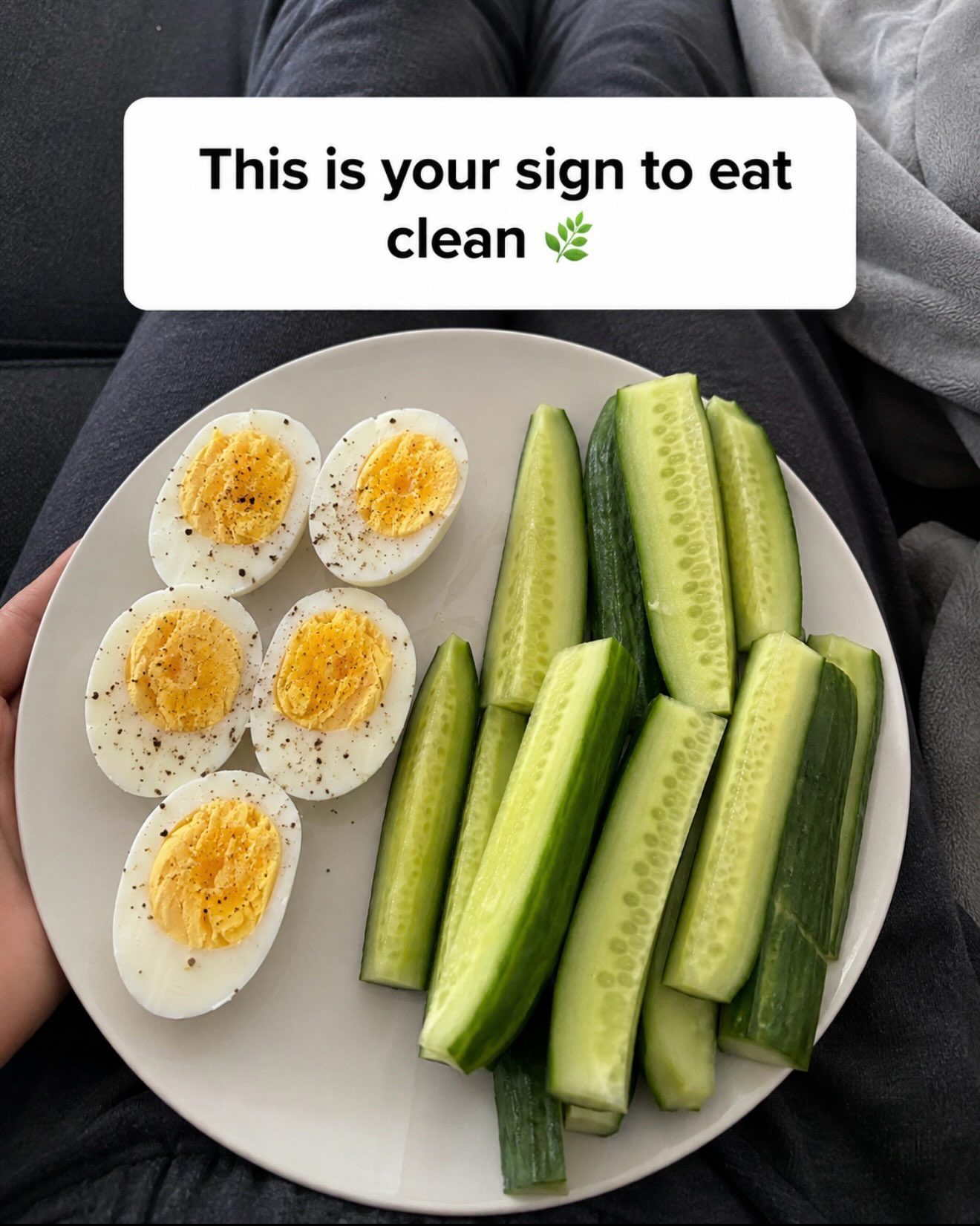
Eggs and Cucumbers
A quick and easy snack to keep you going between meals. Hard-boiled eggs provide protein, while cucumbers offer hydration and fiber. This combination keeps you full and satisfied without the need for sugary snacks.
Colorful Salad
A visually appealing salad made with avocado, tomatoes, red onion, and your choice of protein (chicken, tofu, or beans) can be a complete meal. Adding whole grain crackers or quinoa can boost the carb content, making it a well-rounded dish.
Sweet Potato Bowl
A hearty bowl featuring sweet potatoes, lean ground meat, cottage cheese, greens, and avocado provides a mix of protein, complex carbohydrates, and healthy fats. This meal is both filling and flavorsome, perfect for a satisfying dinner.
Practical Tips
Planning and Preparation
- Meal Prep: Set aside time each week to prepare meals in advance. This can save time and ensure you have healthy options readily available.
- Grocery List: Make a list of ingredients you need for your meals and stick to it when shopping. This helps avoid impulse buys and keeps you on track with your nutritional goals.
- Variety: Don't be afraid to experiment with new ingredients and recipes. Variety keeps meals interesting and ensures a diverse intake of nutrients.
Hydration and Timing
Hydration is a key component of any healthy eating plan. Aim for at least 2.0 liters of water daily to support digestion and overall health. Timing your meals can also make a difference. Eating smaller, more frequent meals can help maintain steady energy levels and prevent overeating.
Using a Nutrition App
The Workit App is a helpful resource for tracking your meals, water intake, workouts, and daily progress. This app offers rewards for workouts and healthy eating, making it easier to stay motivated and consistent with your goals.
Managing Cravings
Healthy meal ideas can help manage cravings, but it's essential to recognize that external factors like sleep, stress, and overall eating patterns also play a significant role. Ensure you get adequate rest, manage stress effectively, and listen to your body's needs.
Important Takeaways
Building balanced meals that include a combination of proteins, fiber-rich carbohydrates, healthy fats, and colorful produce can support energy levels and overall well-being. It's not about eliminating all treats but rather making healthier choices more often. Incorporating variety, proper planning, and using helpful tools like the Workit App can make the transition to healthy eating feel less daunting.
Conclusion
Eating clean doesn't have to be complicated or restrictive. By focusing on balanced, nutrient-dense meals, you can support your energy levels, manage your appetite, and enjoy a healthier lifestyle. Experiment with different meal combinations, stay hydrated, and use tools to track your progress. Remember, the goal is to make balanced choices more often, leaving room for flexibility and foods you genuinely enjoy.
Watch the Reel
Questions readers ask
What are the key components of a balanced meal for sustained energy?
A balanced meal for sustained energy should include a combination of proteins, fiber-rich carbohydrates, healthy fats, and colorful produce. These components work together to manage your appetite and maintain energy levels throughout the day. Think of a meal like whole-grain toast topped with avocado and a poached egg for a mix of all these elements.
How can I incorporate more fiber-rich carbohydrates into my meals?
To incorporate more fiber-rich carbohydrates, opt for whole grains like brown rice, quinoa, and whole-wheat bread. Additionally, include plenty of fruits and vegetables in your diet, as they are excellent sources of fiber and will help keep you full and energized.
What are some quick and easy meal ideas for a busy workday?
For busy workdays, consider meal ideas that require minimal preparation. Greek yogurt with granola and berries, a turkey and avocado wrap with a side of carrot sticks, or a quinoa salad with mixed vegetables and grilled chicken are all excellent options that can be prepared in advance or quickly assembled.
Why are healthy fats important in a balanced meal plan?
Healthy fats are essential for absorbing fat-soluble vitamins and supporting brain function. They also help you feel full and satisfied, preventing overeating. Include foods like avocados, nuts, seeds, and olive oil in your meals to reap these benefits.
How can I use avocados to boost energy in my meals?
Avocados are a great source of healthy fats and can be incorporated into various meals to boost energy. Add avocado slices to your sandwiches, either as a spread, or on top. Blend avocado into smoothies or make a creamy avocado dip for vegetable sticks. Additionally, avocado can be a key ingredient in salads, providing a rich, satisfying flavor.
What are the benefits of including colorful produce in my meals?
Colorful produce is packed with essential vitamins, minerals, and antioxidants that support overall health. Including a variety of colors in your meals ensures a wide range of nutrients. Plus, the vibrant hues make your meals more visually appealing and can inspire you to explore new recipes and flavors.
Recent articles
Fresh deep dives from the latest Reels we unpacked.




Comments
Be the first to comment.