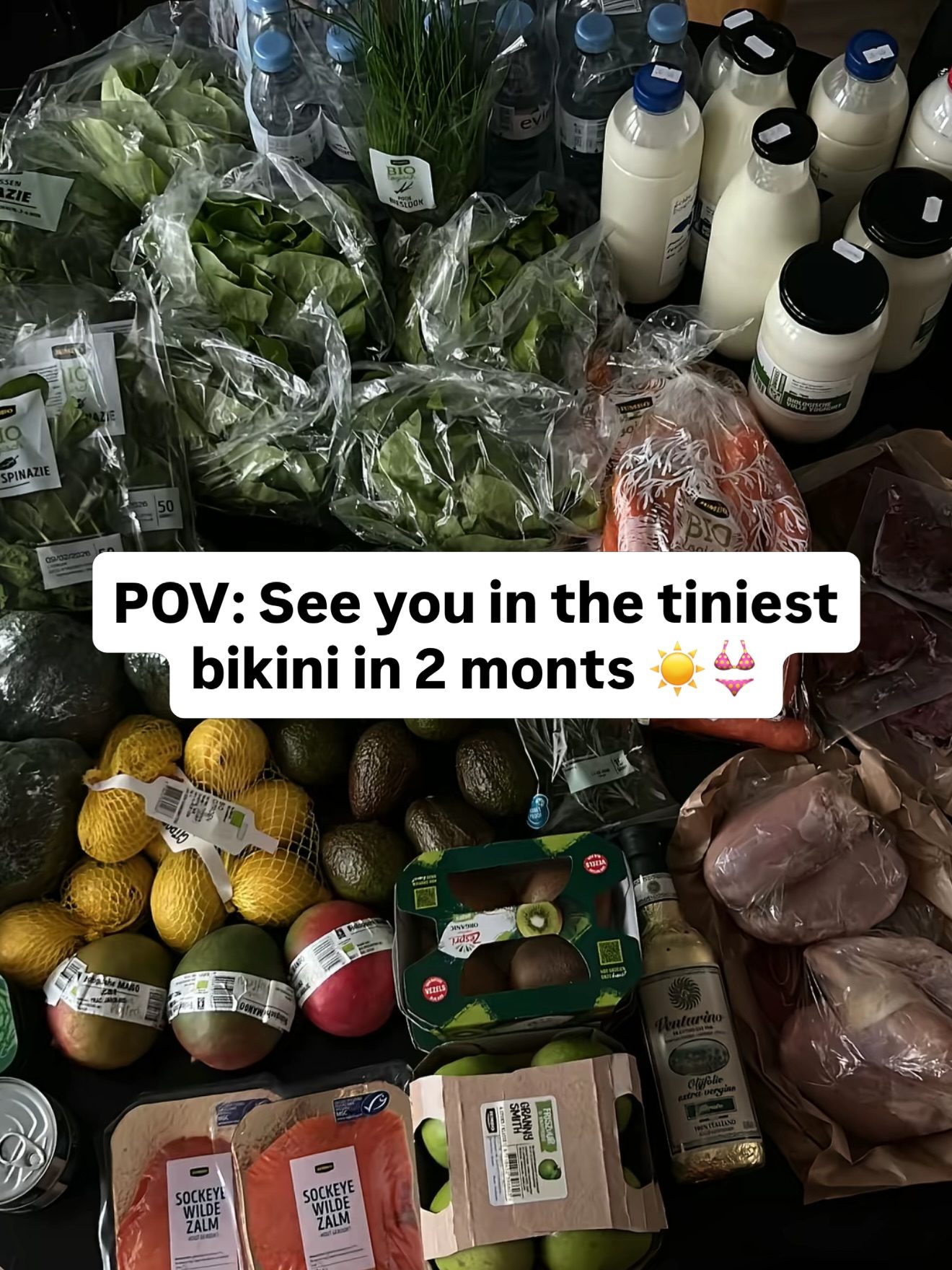
Healthy Grocery Shopping and Meal Prep
Healthy grocery shopping and meal prep are crucial for maintaining a balanced diet and achieving fitness goals. This approach involves planning meals in advance, focusing on nutrient-dense foods, and using tools like nutrition tracking apps to stay on track. Let’s dive into the key aspects of healthy grocery shopping, meal prep, and how tools like the nutrition tracking app can help you achieve your goals.
Context / Why This Matters
Incorporating healthy grocery shopping and meal prep into your routine can significantly impact your overall health and fitness journey. By planning and preparing meals in advance, you avoid the temptation of unhealthy, convenience foods. This method also helps you stay disciplined and consistent, which is key to achieving long-term results.
Main Discussion
The Role of Protein in Meal Prep
Protein is a cornerstone of a balanced diet, especially when focusing on fitness. Including protein in every meal ensures your body has the necessary fuel for muscle repair and growth. The reel highlights foods like salmon, steak, eggs, and chicken as excellent protein sources.
Salmon, for example, is rich in omega-3 fatty acids, which are beneficial for heart health and reducing inflammation. Eggs are versatile and provide complete protein, making them an ideal choice for breakfast or as part of a balanced meal.
Whole Foods Over Processed Foods
Whole foods, such as fresh produce and lean proteins, are superior to processed foods for several reasons. They are more nutrient-dense, providing a broader range of vitamins and minerals. Additionally, whole foods are generally lower in added sugars, unhealthy fats, and sodium, making them a healthier choice for long-term health.
Balanced Meals and Macro Tracking
A key component of meal prep is ensuring balanced meals that include a mix of protein, carbohydrates, and healthy fats. The reel emphasizes the importance of macro tracking, which involves monitoring the ratio of macronutrients in your diet. For instance, a balanced meal might consist of 40% protein, 35% carbohydrates, and 25% fats.
This approach ensures that your body receives a steady supply of energy and nutrients, supporting both physical performance and overall health. Macro tracking can be simplified using a nutrition tracking app, which provides daily goals and macro breakdowns, making it easier to stay on track.
Consistency and Discipline
Consistency is key when it comes to healthy eating and meal prep. The reel suggests that the best results come from eating right enough for 60 days straight, rather than trying to eat perfectly for just a couple of days. This approach helps build sustainable habits and makes it easier to stick to your plan in the long run.
The Benefits of Using a Nutrition Tracking App
Tracking your nutrition can significantly enhance your fitness journey. The reel highlights a nutrition tracking app that provides data-driven insights. This app helps you monitor your calorie intake, track your macronutrient ratios, and set daily goals. By staying accountable, you can make informed decisions about your diet and stay motivated to achieve your fitness goals.
The app also offers features like daily challenges and the ability to convert workouts into real money, adding an extra layer of motivation and engagement. This gamification of fitness can make the process more enjoyable and keep you on track.
Incorporating Variety in Meals
While consistency is important, incorporating variety in your meals can prevent boredom and ensure you get a broad range of nutrients. The reel suggests repeating meals to stay consistent but also mentions the importance of not overcomplicating things.
Simple foods like eggs, steak, salmon, chicken, avocado, and greens provide the necessary nutrients without the need for complex recipes. By focusing on whole foods and simple, nutritious meals, you can maintain a balanced diet without feeling overwhelmed.
Practical Tips
When planning your grocery shopping and meal prep, consider the following tips:
- Plan Ahead: Make a meal plan for the week and create a grocery list based on it.
- Focus on Whole Foods: Prioritize fresh produce, lean proteins, and whole grains over processed foods.
- Use a Nutrition Tracking App: Monitor your calorie intake and macronutrient ratios to stay on track.
- Stay Consistent: Stick to your plan, even on days when you don’t feel motivated. Consistency is key to long-term success.
Important Takeaways
- Protein in Every Meal: Ensure every meal includes a source of protein to support muscle repair and growth.
- Whole Foods Over Processed: Prioritize nutrient-dense, whole foods for better health and fitness results.
- Balanced Meals: Aim for a balanced mix of protein, carbohydrates, and healthy fats in each meal.
- Consistency Wins: Eat right enough for 60 days straight, rather than trying to eat perfectly for just a couple of days.
- Tracking Nutritional Intake: Use a nutrition tracking app for data-driven insights and accountability.
Conclusion
Healthy grocery shopping and meal prep are essential for maintaining a balanced diet and achieving your fitness goals. By focusing on protein, whole foods, and balanced meals, and using tools like nutrition tracking apps, you can stay on track and see real results. Discipline and consistency are key, so plan ahead, monitor your progress, and stick to your routine. With the right approach, you can achieve your fitness goals and maintain a healthy lifestyle.
Watch the Reel
Questions readers ask
What are some essential nutrient-dense foods for fitness meal prep?
Nutrient-dense foods are crucial for supporting fitness goals and include lean proteins like chicken, turkey, and fish, complex carbohydrates such as brown rice and whole-wheat pasta, and healthy fats from avocados and nuts. Don't forget to include plenty of fruits and vegetables to round out your meals.
How do I create an effective meal prep grocery list?
Start by planning your meals for the week, focusing on a balance of proteins, carbohydrates, and healthy fats. Make a list of all the ingredients you need, organized by sections of the grocery store. Stick to your list and avoid impulse buys to maintain a healthy and efficient grocery shopping experience.
What are some great protein sources for meal prep?
Incorporate a variety of protein sources such as grilled chicken, turkey breast, lean beef, fish, eggs, Greek yogurt, and plant-based options like lentils, chickpeas, and tofu. These proteins will support muscle repair and growth, making them ideal for fitness meal prep.
How can a daily meal prep routine help with weight loss and muscle gain?
A consistent meal prep routine ensures that you have healthy, portion-controlled meals ready to go, reducing the likelihood of overeating or choosing unhealthy options. This is particularly beneficial for weight loss. For muscle gain, meal prep helps you meet increased protein and calorie needs through balanced meals tailored to your fitness goals.
What are some fitness meal prep ideas for a busy week?
Consider prepping meals like grilled chicken with quinoa and steamed vegetables, turkey chili with kidney beans, or baked salmon with sweet potatoes and a side salad. These meals can be portioned out and stored in containers for quick, grab-and-go options throughout the week.
How do I stay on track with healthy grocery shopping for fitness?
Use tools like nutrition tracking apps to plan your meals, stay organized, and monitor your nutrient intake. These apps often provide grocery lists based on your dietary needs and fitness goals, helping you make informed decisions while shopping. Additionally, prepping meals in advance ensures you have healthy options readily available, minimizing the temptation to stray from your plan.
What should be included in a fitness grocery list?
A fitness grocery list should include a balanced mix of lean proteins, complex carbohydrates, and healthy fats. Include items like fresh produce, whole grains, lean meats, fish, and healthy snacks. Don't forget to stock up on essentials like spices, herbs, and condiments to make your meals flavorful and satisfying.
Recent articles
Fresh deep dives from the latest Reels we unpacked.




Comments
Be the first to comment.