The Joy of Balanced Eating: Nutrition Beyond Restrictions
Clean eating doesn't have to mean deprivation. It's about finding balance, fueling your body right, and enjoying your food. Whether you're into fitness or just want to eat healthily, understanding how to balance your meals can make a world of difference. Let’s dive into the essentials of balanced eating, highlighting the benefits, and busting some common myths.
Why Balanced Eating Matters
Eating a balanced diet is crucial for maintaining overall health and supporting your active lifestyle. Clean eating isn't about restricting yourself; it's about giving your body the nutrients it needs to perform at its best. Balanced meals help you build strength, recover faster, and feel good overall.
When you're training hard, especially if you're lifting weights or doing high-intensity workouts, your body needs adequate fuel. Undereating or starving yourself won't build curves or strength. Instead, it can lead to fatigue, poor performance, and even injury. Fueling your body properly ensures you get the most out of your workouts and recovery sessions.
What Does a Balanced Meal Look Like?
A balanced meal includes a mix of macronutrients: protein, carbohydrates, and healthy fats. This combination provides your body with the energy it needs to function optimally. Here are some key components to consider:
Protein
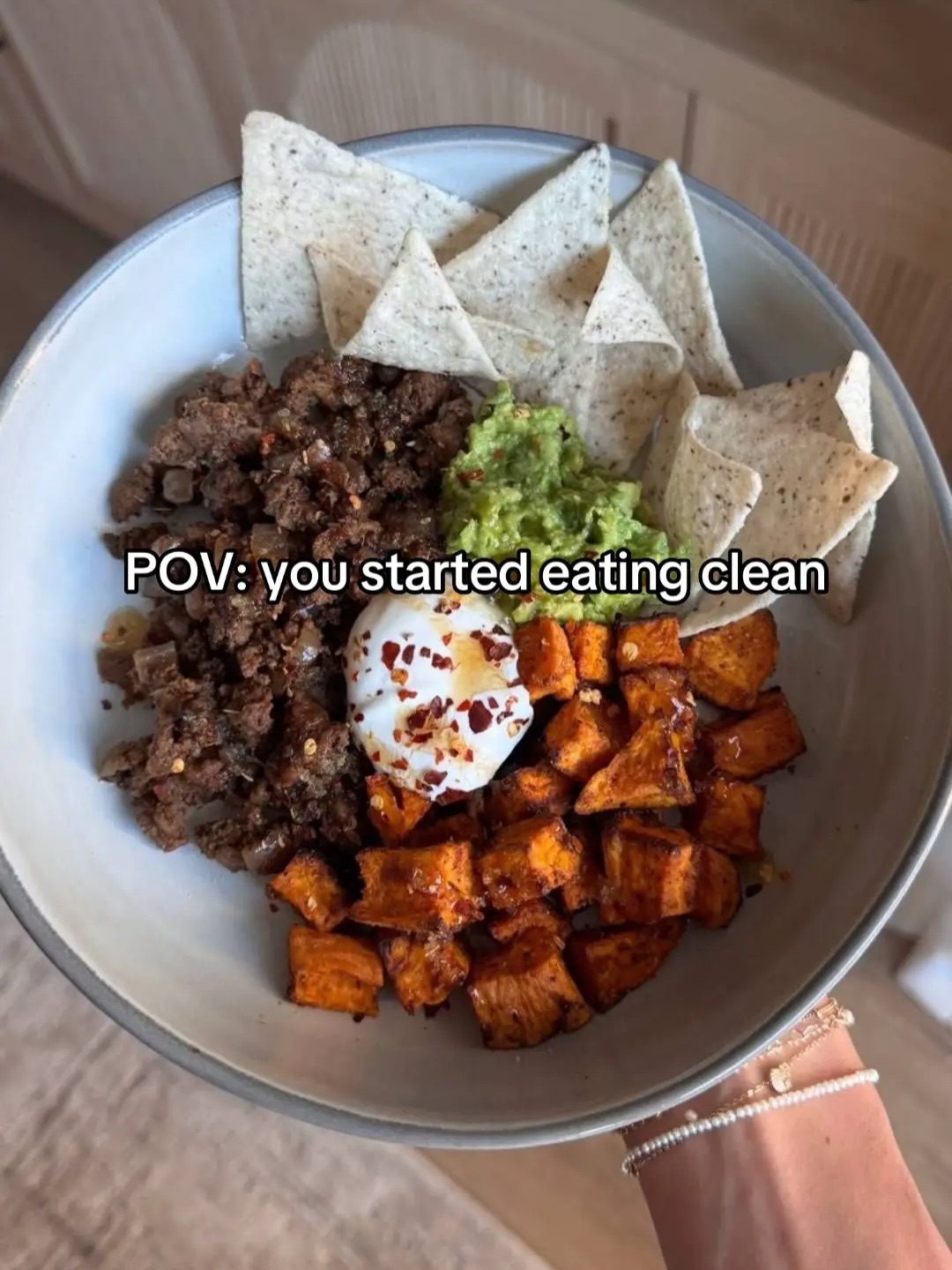
Protein is essential for muscle repair and growth. Include lean sources like chicken, turkey, fish, tofu, or Greek yogurt. In the context of a balanced meal, protein is key. For example, a bowl filled with ground meat, sweet potatoes, guacamole, blueberries, and tortilla chips showcases a mix of protein, carbs, and healthy fats, making it a nutritionally dense and delicious option. Protein helps in muscle recovery and growth, ensuring that your body can repair and build muscle tissue efficiently.
Carbohydrates
Carbohydrates are your body's primary energy source. Opt for complex carbs like whole grains, sweet potatoes, and brown rice. These provide sustained energy and help you power through your workouts. Carbs are often maligned, but they are essential for those who are physically active. They fuel your muscles and help you perform at your best. For example, a bowl with rice, potatoes, and greens not only looks appealing but also provides the necessary carbs to keep you energized.
Healthy Fats
Healthy fats are crucial for hormone regulation, nutrient absorption, and brain function. Include sources like avocados, nuts, seeds, and olive oil. Healthy fats add flavor and texture to your meals, making them more enjoyable. For example, a yogurt bowl filled with a variety of fruits, nuts, and granola is not only visually appealing but also packed with healthy fats from the nuts and seeds.
Fruits and Vegetables
Fruits and vegetables are rich in vitamins, minerals, and fiber. They add color, flavor, and nutrients to your meals. Include a variety of fruits and vegetables in your diet to ensure you're getting a broad range of nutrients. For instance, a yogurt bowl with raspberries, blueberries, and banana provides a mix of fruits that are both delicious and nutritious.
Snacks
Snacks can be a healthy part of your diet if chosen wisely. Dates filled with peanut butter and sprinkled with flaky salt are a perfect example of a satisfying and nutritious snack. Dates provide natural sweetness and fiber, while peanut butter adds healthy fats and protein. This combination keeps you feeling full and energized.
Practical Tips for Balanced Eating
Plan Your Meals
Meal planning can help you stay on track and ensure you're getting a balanced mix of nutrients. Start by identifying your macros—protein, carbohydrates, and fats—and plan your meals accordingly. This can involve creating a weekly meal plan and grocery list, ensuring you have all the necessary ingredients on hand.
Use a Nutrition App
Tracking your nutrition can be a game-changer. Apps like Workit can provide data-driven insights, helping you stay on top of your calorie and macro intake. Workit is designed to give you daily goals, calorie tracking, and macro breakdowns, ensuring you're meeting your nutritional needs. Tracking your intake helps you understand how much you're consuming and where you might need to make adjustments.
Focus on Whole Foods
Whole foods are minimally processed and packed with nutrients. Focus on incorporating more whole foods into your diet, such as fruits, vegetables, lean proteins, and whole grains. Avoid overly processed foods, which often lack nutritional value and can lead to weight gain and other health issues.
Stay Hydrated
Drinking plenty of water is crucial for overall health and performance. Staying hydrated helps regulate body temperature, aids in digestion, and supports muscle function. Aim for at least 8 glasses of water a day, and adjust based on your activity level and climate.
Listen to Your Body
Pay attention to your hunger and fullness cues. Eating when you're hungry and stopping when you're full helps you maintain a healthy weight and prevents overeating. It's also important to enjoy your food and not feel guilty about what you eat. Eating should be a pleasurable experience, not a chore.
Important Takeaways
Eating clean doesn't have to be boring or restrictive. Incorporating a variety of nutritious foods into your diet can make healthy eating enjoyable and sustainable. Remember, balance is key. Fuel your body with a mix of protein, carbs, and healthy fats to support your active lifestyle and overall health.
Conclusion
Balanced eating is about nourishing your body with the right nutrients to support your goals, whether you're an athlete or just looking to maintain a healthy lifestyle. By focusing on whole foods, planning your meals, and tracking your nutrition, you can achieve a balanced diet that supports your goals and makes you feel great. Enjoy the process, and remember that sustainable, long-term success comes from making small, consistent changes over time.
Watch the Reel
Questions readers ask
What are some key components of a balanced meal for an active lifestyle?
A balanced meal for an active lifestyle should include a mix of lean proteins for muscle repair and growth, complex carbohydrates for sustained energy, and healthy fats for overall health. Including a variety of fruits and vegetables ensures you get essential vitamins and minerals.
How can I incorporate healthy fats into my diet?
Healthy fats can be incorporated into your diet through foods like avocados, nuts, seeds, and fatty fish such as salmon. You can also use olive oil for cooking or dressings. These fats help support heart health and provide energy during workouts.
What are some nutrient-dense breakfast options for a busy morning?
Nutrient-dense breakfast options include granola and yogurt bowls, overnight oats with fruits and nuts, and smoothie bowls packed with fruits, vegetables, and protein powder. These meals provide a good balance of protein, carbs, and healthy fats to start your day.
Why are protein-rich meals important for athletes?
Protein-rich meals are crucial for athletes as they aid in muscle repair and growth. Foods like lean meats, eggs, beans, and tofu are excellent sources of protein. These meals help optimize performance and recovery, especially after intense workouts.
Can you suggest some clean eating snacks that are also workout-friendly?
Great clean eating snacks include peanut and date bites, Greek yogurt with honey and berries, and hummus with vegetable sticks. These snacks are easy to prepare, portable, and provide a good balance of nutrients to fuel workouts and support recovery.
How can I plan my meals to support an active lifestyle effectively?
Effective meal planning involves including a balance of protein, carbs, and healthy fats in each meal. Prepping meals in advance, such as grilling chicken, roasting vegetables, and cooking grains, can save time and ensure you have nutritious options ready to go, especially when you are on the go.
What are some benefits of eating a carb-balanced diet?
A carb-balanced diet provides sustained energy for workouts and daily activities. Complex carbohydrates, like whole grains, fruits, and vegetables, help maintain optimal performance during and after exercise, while also providing essential nutrients and fiber for overall health.
Recent articles
Fresh deep dives from the latest Reels we unpacked.




Comments
Be the first to comment.