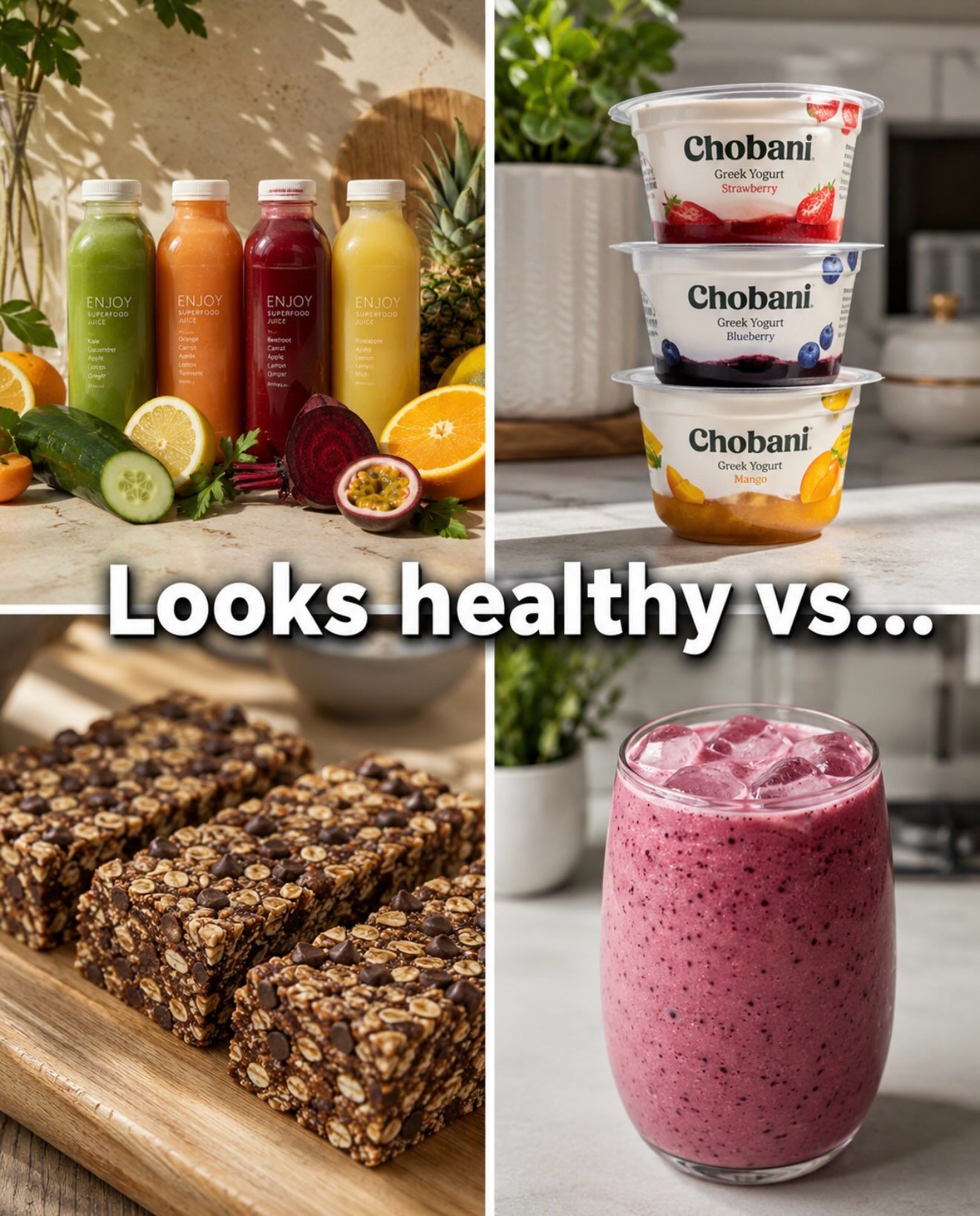
Healthy Eating: Separating Perception from Reality
Eating healthy isn't always as straightforward as it seems. Many foods marketed as healthy can be misleading, packed with hidden sugars, calories, or ultra-processed ingredients. The key to a balanced diet lies in building meals around foods that keep you full, energized, and nourished. Let's dive into the differences between perceived healthy foods and genuinely nutritious options.
Context / Why this matters
Understanding the difference between perceived healthy and genuinely healthy foods is crucial for maintaining a balanced diet. Many foods labeled as healthy can be deceiving, often high in sugar, calories, or additives. Recognizing these distinctions helps in making informed choices that support overall health and energy levels.
Main discussion
Perceived Healthy Foods
Many foods that appear healthy are often easy to overeat or loaded with hidden ingredients that undermine their nutritional value.
Fruit Juices and Juice Cleanses
Fruit juices and juice cleanses might seem like a healthy choice, but they often lack fiber and are high in sugar. While they provide vitamins, the absence of fiber means they don't keep you full, leading to overeating. Additionally, many store-bought juices contain added sugars, further increasing their caloric content.
Flavored Yogurts
Flavored yogurts, like Chobani Greek Yogurt Strawberry, are a common misconception. While they might seem like a healthy snack or breakfast option, many flavored yogurts are packed with added sugars. These sugars can quickly add up, turning what seems like a healthy choice into a sugar-laden treat.
Granola Bars
Granola bars are often marketed as a nutritional snack, but many are closer to candy bars than a wholesome snack. They frequently contain high amounts of sugar, unhealthy fats, and processed ingredients that can negate their perceived health benefits.
Store-Bought Smoothies
Store-bought smoothies can be a convenient option, but they are often high in calories and sugar. It's easy to consume hundreds of calories in a single smoothie, which can lead to weight gain and other health issues if not monitored.
Actually Healthy Foods
Building meals around nutrient-dense, whole foods ensures sustained energy and overall well-being. Here are some of the best options:
Eggs
Eggs are one of the most nutrient-dense protein sources available. They are high in protein, vitamins, and minerals, making them an excellent choice for keeping you full and energized. Whether boiled, scrambled, or poached, eggs are a versatile and healthy addition to any diet.
Oats
Oats are rich in fiber and slow-digesting carbohydrates, making them an excellent choice for sustained energy. Whether you prefer them in oatmeal or as a base for homemade granola, oats provide a nutritious and filling option.
Whole Fruits
Whole fruits are packed with fiber, vitamins, and antioxidants, helping to keep you full while providing essential nutrients. Unlike fruit juices, whole fruits contain the fiber that helps regulate blood sugar levels and promote satiety.
Plain Greek Yogurt
Plain Greek yogurt is a powerhouse of nutrition, high in protein, calcium, and probiotics. It supports digestive health and provides a creamy base for various recipes, from dips to smoothies.
Black Coffee
Black coffee is virtually calorie-free and can improve focus and performance. It contains antioxidants and can enhance metabolic function, making it a great choice for a morning boost.
Practical tips
Make Smart Choices
When shopping for groceries, focus on whole, unprocessed foods. Read labels carefully to avoid hidden sugars and unhealthy additives. Opt for plain yogurt and add your fruit, and choose whole fruits over juices for a more satisfying and nutritious snack.
Prioritize Protein and Fiber
Incorporate foods high in protein and fiber to keep you full and energized. Eggs, oats, and whole fruits are excellent choices that provide sustained energy throughout the day. Pair these with lean proteins and healthy fats for a balanced diet.
Consistency Over Perfection
Healthy eating isn't about cutting out every treat—it's about making better choices most of the time. Focus on consistency rather than perfection. A balanced diet allows for occasional indulgence without compromising overall health.
Important takeaways
- Perceived healthy foods like fruit juices, flavored yogurts, granola bars, and store-bought smoothies can be deceiving due to high sugar and calorie content.
- Actual healthy foods like eggs, oats, whole fruits, plain Greek yogurt, and black coffee provide sustained energy and essential nutrients.
- Consistency in making smart food choices is key to maintaining a balanced diet and overall well-being.
- Prioritize whole, unprocessed foods and focus on protein and fiber for long-lasting energy and satiety.
Conclusion
Navigating the world of healthy eating requires discernment. By understanding the differences between perceived and actual healthy foods, you can make informed choices that support your nutritional goals. Focus on whole foods, prioritize protein and fiber, and remember that consistency is more important than perfection. Building meals around nutrient-dense options will keep you full, energized, and nourished, setting you on the path to a healthier lifestyle.
Watch the Reel
Questions readers ask
Are flavoured yogurts a good choice for a nutritious breakfast?
Flavoured yogurts often contain high amounts of added sugars and artificial ingredients. For a more nutritious breakfast, opt for plain Greek yogurt and add your own fresh fruits and a drizzle of honey for natural sweetness.
How do whole foods compare to processed foods in terms of nutrition?
Whole foods are typically more nutrient-dense and rich in fiber, vitamins, and minerals. Processed foods often contain added sugars, unhealthy fats, and artificial additives, which can lead to energy crashes and reduced overall health.
Can coffee be a good source of energy in the morning?
Coffee can provide a quick energy boost due to its caffeine content, but it's important to consume it in moderation. Pairing coffee with a balanced breakfast that includes protein, healthy fats, and fiber can help maintain energy levels throughout the morning.
How can I build a high-protein breakfast without eggs?
There are plenty of options for a high-protein breakfast besides eggs. Consider Greek yogurt with nuts and seeds, a smoothie with protein powder and spinach, or a whole-grain toast with nut butter and banana.
Are fruit juices a healthy choice for a quick energy boost?
While fruit juices contain vitamins, they are often high in sugars and lack the fiber found in whole fruits. Opt for a piece of whole fruit or a smoothie with whole fruits and a source of protein for sustained energy.
What are some energizing foods to include in a healthy breakfast?
Incorporate foods rich in protein, healthy fats, and fiber for a satisfying and energizing breakfast. Examples include whole-grain toast, avocado, Greek yogurt, and berries. These combinations can help keep you full and energized throughout the morning.
Recent articles
Fresh deep dives from the latest Reels we unpacked.




Comments
Be the first to comment.