Healthy Eating: The Real Deal
The joy of healthy eating is not about deprivation, but about creating a balanced, satisfying diet that fuels your body and mind. This approach ensures that nutrition becomes a sustainable habit, rather than a temporary fix. Let's dive into how to maintain a healthy eating routine that you can enjoy long-term.
Context / Why this matters
Healthy eating is commonly misunderstood. It’s frequently viewed as a restrictive, punishing process. This misconception can lead to yo-yo dieting and a cycle of guilt and indulgence. However, when done right, healthy eating can be a delightful journey of discovery and enjoyment. The key is to find balanced, tasty meals that nourish the body and satisfy the palate.
Main discussion
The Basics of Healthy Eating
Healthy eating starts with understanding what your body needs. This means focusing on whole foods that provide essential nutrients without compromising on taste. The right balance of macronutrients (carbohydrates, proteins, and fats) and micronutrients (vitamins and minerals) is crucial. Additionally, hydration plays a significant role in overall health, so incorporating plenty of water into your daily routine is essential.
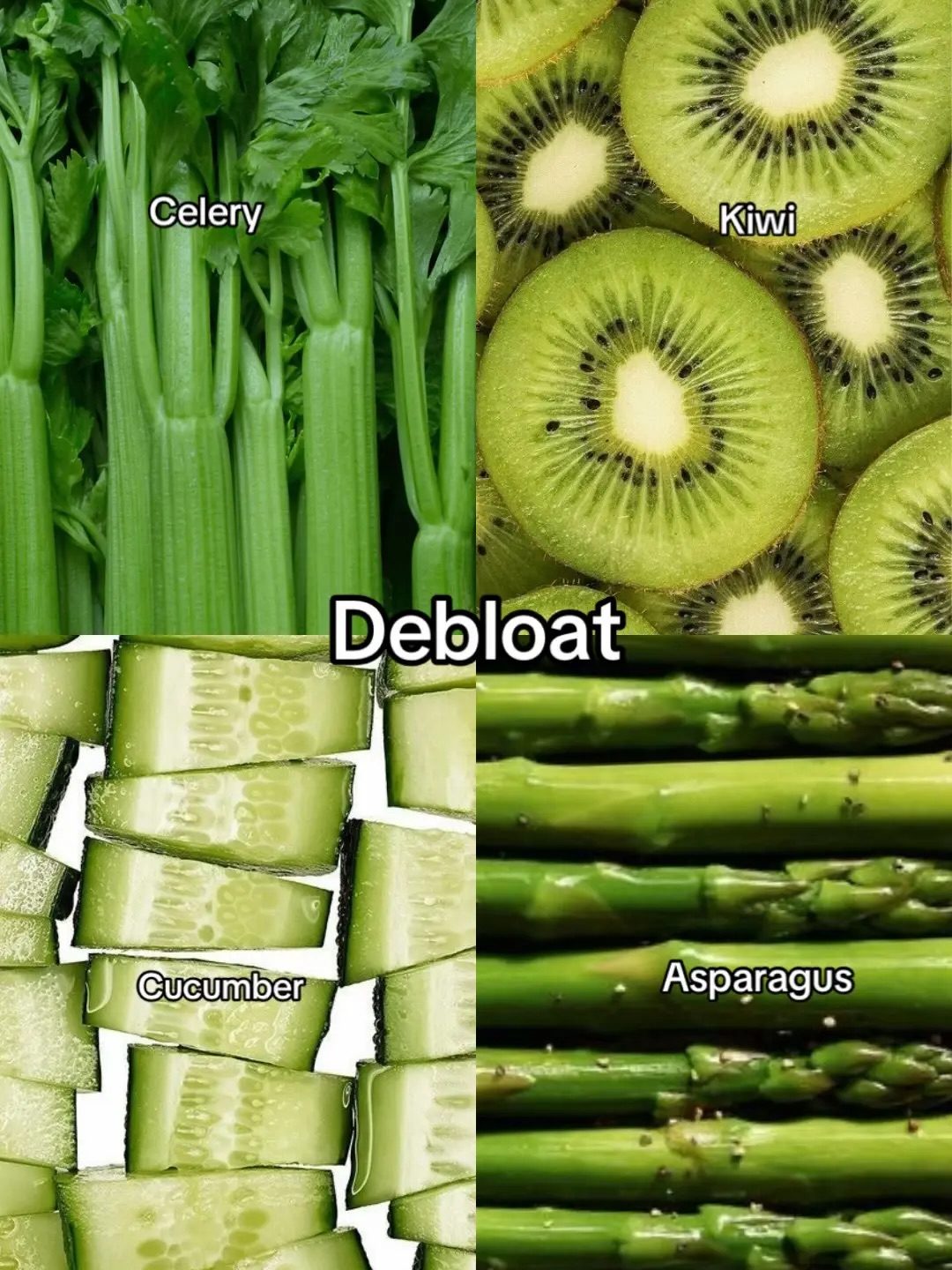
Debloating Foods
Certain foods are particularly effective at helping the body debloat. Incorporating foods like celery, kiwi, cucumber, asparagus, pineapple, papaya, banana, and lemon into your diet can aid in reducing water retention and promoting digestive health. These foods are not only beneficial for debloating but also add variety and freshness to your meals.
Foods for Hair Health
Maintaining healthy hair requires a diet rich in specific nutrients. Foods like pumpkin seeds, spinach, avocado, and edamame are packed with vitamins and minerals that promote hair growth and strength. Pumpkin seeds, for example, are rich in zinc, which is essential for maintaining healthy hair follicles.
A Balanced Diet
A balanced diet is key to sustainable healthy eating. This means enjoying a variety of food groups without eliminating any. For example, a balanced meal could include:
- Crunchy cucumbers, eggs, and fruit: This combination provides a mix of healthy fats, proteins, and natural sugars.
- Loaded bowls with protein, greens, and sweetness: These bowls offer a balance of macronutrients, ensuring that your body gets the protein it needs while enjoying the sweet taste.
- Balanced bagels with fresh sides: Bagels can be a great source of carbohydrates, especially when paired with fresh, nutrient-rich sides.
- Yogurt bowls that feel like dessert: Yogurt is a versatile ingredient that can be transformed into a delicious, satisfying meal or snack.
- Toast, eggs, and berries: This combo is packed with fiber, healthy fats, and antioxidants, making it a perfect breakfast option.
The Role of Movement
Regular physical activity complements a healthy diet by boosting metabolism and promoting overall well-being. Incorporating movement into your daily routine ensures that your body is in optimal condition to absorb and utilize the nutrients from your meals. Whether it’s a brisk walk, a gym session, or a dance class, staying active keeps your body and mind in top shape.
Practical tips
Start Small
Making significant changes all at once can be overwhelming. Begin by making small, manageable adjustments to your diet. For example, replace sugary drinks with water or herbal tea, and gradually introduce more fruits and vegetables into your meals.
Keep It Varied
Variety is the spice of life, and it’s true when it comes to food as well. Experiment with different recipes and ingredients to keep your meals interesting and nutritionally balanced. This approach helps prevent boredom and ensures that you’re getting a wide range of nutrients.
Stay Hydrated
Adequate hydration is often overlooked but is crucial for overall health. Aim to drink at least eight glasses of water daily, and consider incorporating hydration-rich foods like water-rich fruits and vegetables into your diet.
Listen to Your Body
Pay attention to how your body responds to different foods. If a particular food makes you feel sluggish or uncomfortable, it might be best to limit or avoid it. Similarly, if a food makes you feel energized and satisfied, make it a regular part of your diet.
Use Technology
Mobile apps like Workit can be invaluable tools for tracking your nutritional intake and physical activity. These apps provide data-driven insights that help you make informed decisions about your diet and fitness routine. Features such as calorie and macro tracking, along with goal-setting capabilities, can help you stay on track and achieve your health objectives.
Important takeaways
Healthy eating is not about punishment or deprivation. It’s about finding a balance that works for you, incorporating a variety of nutrient-rich foods, and staying active. By making gradual changes and listening to your body, you can develop sustainable, enjoyable eating habits that support your overall well-being.
Apps like Workit can help you achieve your nutritional goals by providing insights and tracking your progress. Whether you’re aiming to lose weight, build muscle, or simply maintain a healthy lifestyle, these tools can make the journey smoother and more rewarding.
Conclusion
Eating healthy doesn’t have to be boring or feel like a chore. By focusing on nutritious, delicious meals and incorporating regular physical activity, you can create a sustainable, enjoyable routine that supports your overall health and well-being.
Watch the Reel
Questions readers ask
What are some simple steps to start healthy eating habits?
Begin by incorporating more fruits and vegetables into your daily meals. Gradually replace processed foods with whole foods, and stay hydrated. Consider using a healthy eating app to track your progress and discover easy, nutritious recipes.
How can I make healthy eating enjoyable in the long run?
Focus on creating a balanced diet plan that includes a variety of foods you love. Experiment with new, satisfying healthy meals and easy healthy recipes to keep your taste buds happy and maintain your interest in healthy eating for long-term habits.
What are some tips for meal planning for health?
Plan your meals in advance to ensure a mix of nutrients. Prepare meals with nutrient guide in mind, including lean proteins, whole grains, and plenty of fruits and vegetables. Portion control is key to a satisfying and balanced diet, so plan accordingly.
I'm struggling to find time for healthy food choices. Any suggestions?
Try meal prepping on weekends or days off. Choose simple, quick recipes that can be made in bulk. Store portions in the fridge or freezer for easy access during busy weekdays.
What are some key nutrients to focus on in my meals?
Aim for a mix of macronutrients (protein, carbohydrates, and fats) and micronutrients (vitamins and minerals). Focus on lean proteins, complex carbohydrates, and healthy fats. Include a variety of fruits and vegetables to cover your micronutrient needs.
Recent articles
Fresh deep dives from the latest Reels we unpacked.




Comments
Be the first to comment.