Building a Balanced Diet: The Role of Nutrient-Dense Foods
Consistently including a variety of nutrient-dense foods in your diet can significantly impact your overall health and well-being. No single food contains all the nutrients your body needs, so it’s essential to consume a diverse range of foods to support different bodily functions.
Why This Matters
Understanding the role of specific nutrients in your diet can help you make informed decisions about what to eat. By focusing on foods that provide essential nutrients, you can support various aspects of your health, from digestive function to muscle growth and bone strength.
Nutrient-Rich Foods for a Flat Stomach
Fiber-Rich Foods
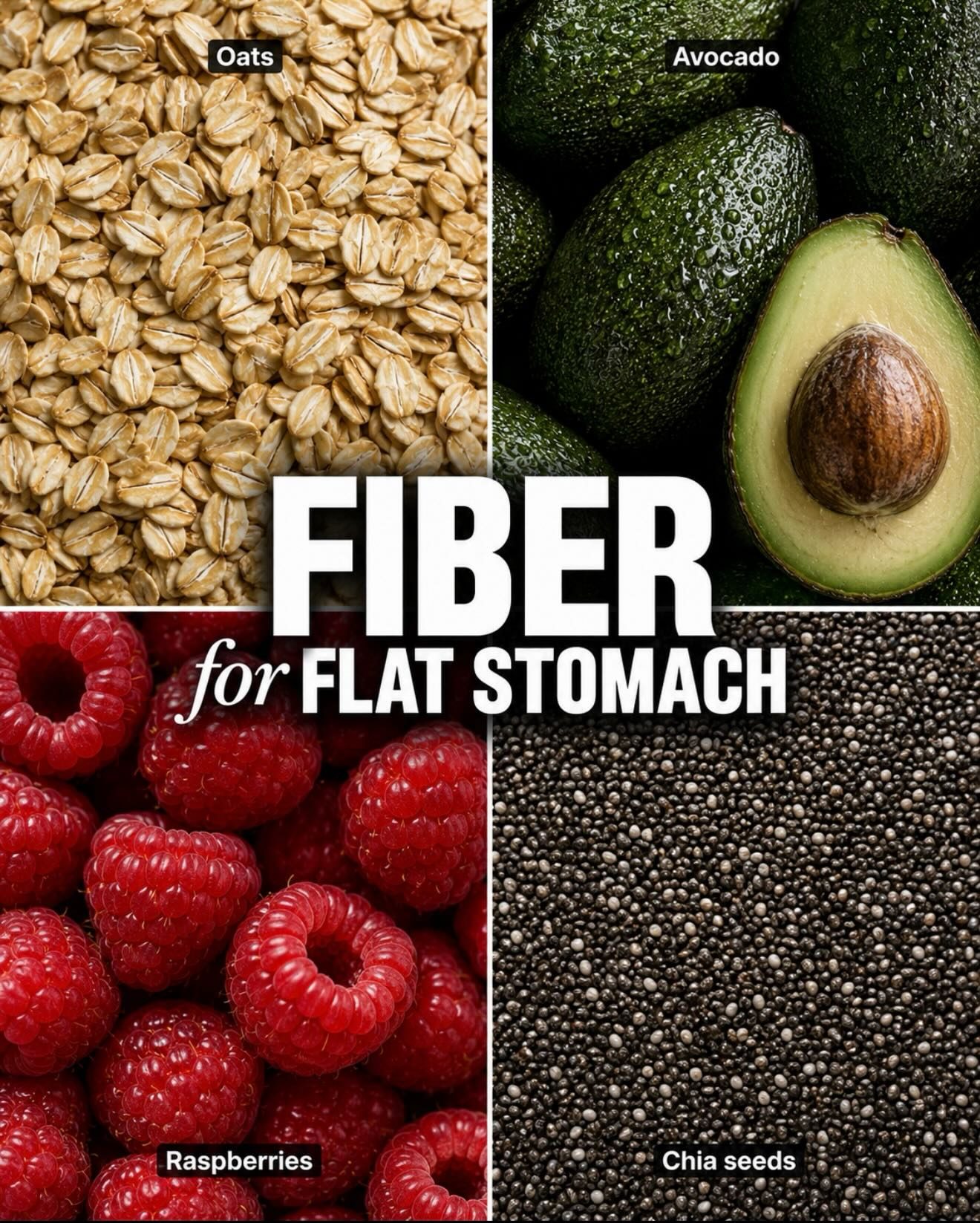
Fiber plays a crucial role in digestive health, gut function, and feelings of fullness. Including fiber-rich foods in your diet can help you stay fuller for longer, which is beneficial for maintaining a flat stomach. Some of the best sources of fiber include:
- Oats: A versatile grain that can be enjoyed in various dishes, from breakfast oatmeal to baked goods.
- Avocado: A creamy fruit rich in healthy fats and fiber, perfect for adding to salads, sandwiches, or as a standalone snack.
- Raspberries: Juicy and sweet, raspberries are not only high in fiber but also packed with antioxidants that support overall health.
- Chia Seeds: These tiny seeds are a powerhouse of nutrients, including fiber, protein, and omega-3 fatty acids. They can be added to smoothies, yogurt, or even used as an egg substitute in baking.
Protein-Rich Foods
Protein is essential for building and maintaining muscle, aiding in recovery, and keeping you satisfied between meals. Some excellent sources of protein include:
- Greek Yogurt: A thick and creamy yogurt that's high in protein and can be used in both sweet and savory dishes.
- Chicken: A lean protein source that can be prepared in countless ways, from grilled to baked to slow-cooked.
- Tuna: A versatile fish that's rich in protein and omega-3 fatty acids, perfect for salads, sandwiches, or as a main dish.
- Lentils: A plant-based protein source that's also high in fiber, making it an excellent choice for vegetarians and vegans.
Nutrient-Rich Foods for Strong Bones
Calcium is a mineral that's essential for strong bones and teeth, as well as muscle function and overall health. Some of the best sources of calcium include:
- Tofu: A versatile soy product that can be used in a wide range of dishes, from stir-fries to desserts.
- Almonds: A crunchy and satisfying snack that's also high in healthy fats and protein.
- Kale: A leafy green vegetable that's packed with calcium, vitamins, and antioxidants.
- Sardines: A small, oily fish that's rich in calcium and omega-3 fatty acids, often canned with bones that are soft and edible.
The Workit App: Building Sustainable Habits
The Workit app is a mobile application designed to help users build sustainable healthy habits. It offers a range of features that make it easier to track your progress and stay motivated. Some of the key features include:
- Water Intake Tracking: Stay hydrated by tracking your daily water intake and setting goals.
- Goal Setting: Set personalized goals for workouts, nutrition, and overall health.
- Calorie Tracking: Monitor your calorie intake to ensure you're meeting your nutritional needs.
- Workout and Challenge Options: Choose from a variety of workouts and challenges to keep your fitness routine engaging and effective.
- Personalized Nutrition Plans: Get tailored nutrition plans that cater to your specific dietary needs and goals.
- Healthy Recipes: Access a library of healthy recipes to inspire your meals and snacks.
- Reward System: Earn rewards for achieving your fitness and nutrition goals, providing extra motivation to stay on track.
Practical Tips for Incorporating Nutrient-Dense Foods
To maximize the benefits of a nutrient-dense diet, consider the following practical tips:
- Consistency over Perfection: Focus on regularly including a variety of nutrient-dense foods in your diet, rather than striving for perfection.
- Variety: Aim to eat a diverse range of foods to ensure you're getting a wide array of nutrients.
- Plan Ahead: Meal planning and preparation can help you stay on track and make healthier choices.
- Stay Hydrated: Drinking plenty of water is essential for overall health and can help support digestive function.
- Listen to Your Body: Pay attention to how different foods make you feel and adjust your diet accordingly.
Important Takeaways
Incorporating a variety of nutrient-dense foods into your diet can significantly impact your health and well-being. By focusing on foods that provide essential nutrients, you can support various aspects of your health, from digestive function to muscle growth and bone strength.
Conclusion
A balanced diet rich in nutrient-dense foods is a key to overall health and well-being. By understanding the role of different nutrients and incorporating a variety of foods into your diet, you can support your body's needs and achieve your health goals. The Workit app can be a valuable tool in this journey, offering features that make healthy living simple and sustainable.
Watch the Reel
Questions readers ask
Why are high-fiber foods like oats and avocados important for my diet?
High-fiber foods are essential for promoting healthy digestion. They support gut function and help you feel full, aiding in weight management. Additionally, they help maintain steady blood sugar levels and contribute to overall digestive health.
What are some of the best sources of protein for muscle growth?
Foods like Greek yogurt and chicken are excellent sources of protein, vital for muscle repair and growth. They provide the essential amino acids your body needs to build and maintain muscle tissue. Including these in your meals can help you achieve a balanced diet plan.
How can I improve my bone health through my diet?
Incorporating calcium-rich foods into your meals is key to promoting bone strength. Dairy products, leafy greens, and fortified plant-based milks are excellent choices. These foods provide the calcium necessary for strong bones and can be easily integrated into healthy eating habits.
What are some ways to track my nutrient intake for a balanced diet?
Using a health tracking app can help you monitor your nutrient intake and ensure you’re consuming a variety of nutrient-dense foods. These apps can provide insights into your consumption of vitamins, minerals, and other essential nutrients, helping you maintain a balanced diet plan.
How do nutrient-dense foods support my overall well-being?
Nutrient-dense foods provide a range of vitamins and minerals that support various bodily functions. They help maintain digestive health, promote muscle growth, and strengthen bones. By including these foods in your diet, you can enhance your overall health and well-being.
What are some nutrient-dense foods that can aid in digestion?
Foods rich in fiber, such as oats, avocados, and whole grains, are excellent for supporting digestive health. They promote gut function, reduce constipation, and help maintain a healthy gut microbiome, contributing to a balanced diet.
Can a balanced diet help with muscle recovery, and what foods should I include?
Yes, a balanced diet rich in protein can significantly aid in muscle recovery. Foods like lean meats, eggs, and legumes provide the necessary protein to repair and build muscle tissue, making them essential for post-workout meals and overall muscle health.
Recent articles
Fresh deep dives from the latest Reels we unpacked.




Comments
Be the first to comment.