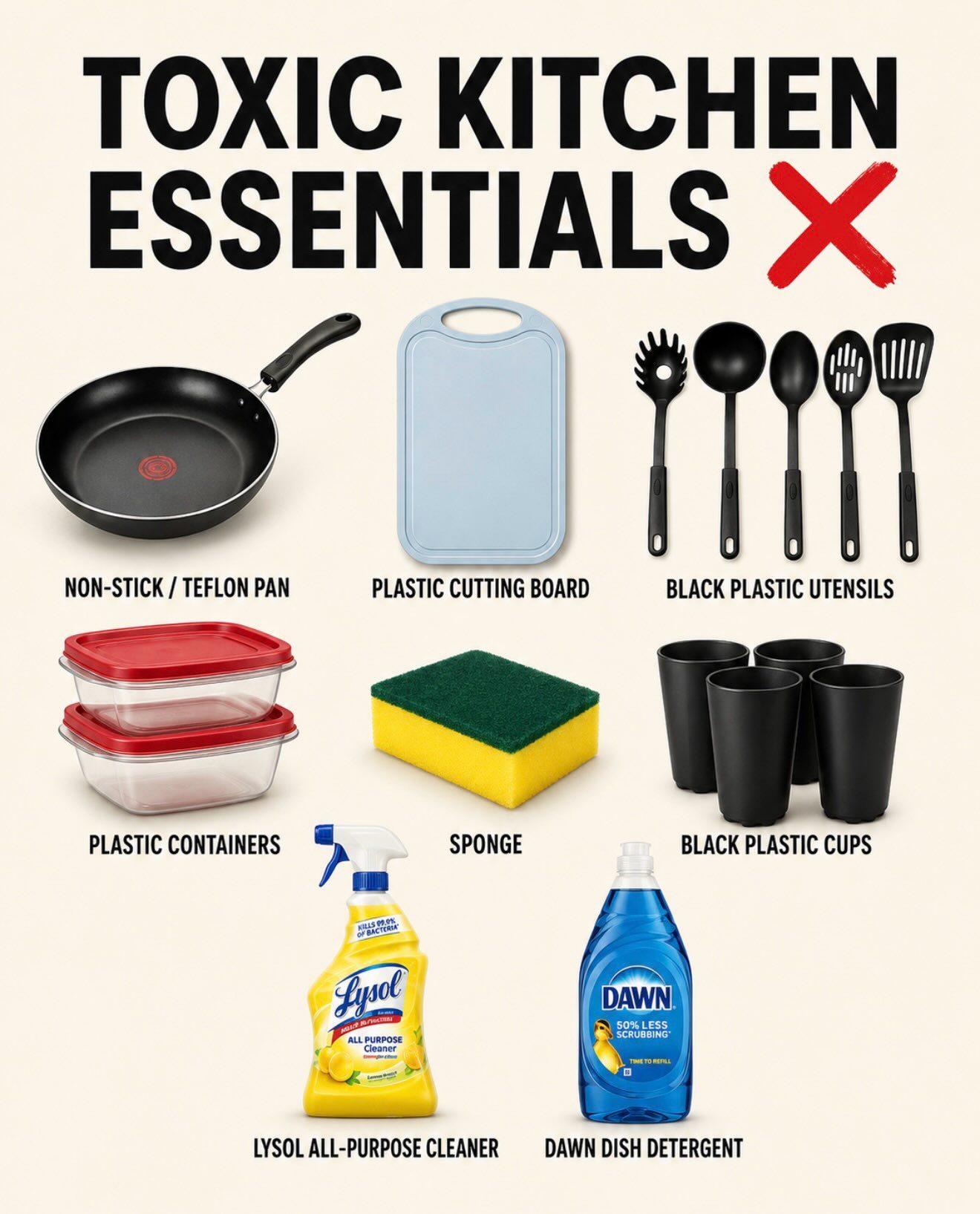
Non-Stick Pans and Plastic: Healthier Alternatives for Your Kitchen
Your kitchen doesn't need to be completely plastic-free or "perfect" to support a healthier home. Small, practical upgrades can significantly reduce wear, unnecessary exposure, and waste over time. This approach allows for a gradual transition without the need to replace everything at once. Here are some key kitchen items to consider swapping for healthier alternatives, backed by practical tips and insights.
Why This Matters
Many common kitchen items, such as non-stick pans and plastic utensils, can potentially harbor toxins or wear down over time, leading to potential health risks. By making thoughtful upgrades, you can enhance the safety and longevity of your kitchen tools.
Main Discussion
Non-Stick Pans
Non-Stick/ Teflon Pan → Cast Iron or Stainless Steel
Non-stick cookware, particularly those with Teflon coatings, can release harmful chemicals when scratched, peeling, or overheated. These chemicals, such as perfluorooctanoic acid (PFOA), are linked to various health issues. Cast iron and stainless steel are excellent alternatives, particularly for high-heat cooking. They are durable, non-reactive, and do not leach chemicals into your food.
Practical Tips
- Inspect Regularly: Check your non-stick pans for scratches, peeling, or warping. Replace them if you notice any of these signs.
- Avoid Overheating: Never preheat an empty non-stick pan, as this can cause the coating to break down.
- Choose the Right Cookware: Opt for cast iron or stainless steel pans for high-heat cooking. Cast iron, in particular, is great for searing and can add a bit of iron to your diet.
Cutting Boards
Plastic Cutting Boards → Wood or Bamboo
Plastic cutting boards, especially those with deep grooves, can harbor bacteria and become harder to clean over time. Wood and bamboo cutting boards are more durable and can be sanitized more effectively.
Practical Tips
- Wash Thoroughly: Always wash your cutting boards with hot, soapy water after each use.
- Separate Boards: Use different cutting boards for raw meat, vegetables, and ready-to-eat foods to prevent cross-contamination.
- Maintenance: Occasionally oil your wooden cutting boards to maintain their integrity and prolong their life.
Plastic Drinkware
Plastic Drinkware → Glass or Stainless Steel
Plastic drinkware, especially when used for hot beverages, can leach chemicals into your drinks. Glass and stainless steel are safer alternatives, particularly for items that will be used repeatedly.
Practical Tips
- Choose the Right Material: Glass is ideal for hot beverages and is easy to clean. Stainless steel is durable and resistant to scratches and stains.
- Avoid Microwaving: Do not microwave plastic containers or drinkware, as this can accelerate the leaching of chemicals.
- Replace Damaged Items: If your plastic drinkware becomes scratched, cracked, or warped, replace it immediately.
Plastic Utensils
Damaged Plastic Utensils → Wood, Stainless Steel, or Quality Silicone
Plastic utensils that are melted, cracked, or flaking can release harmful chemicals. Wooden and stainless steel utensils are more durable and do not leach chemicals.
Practical Tips
- Inspect Regularly: Check your utensils for any signs of damage. Replace them if you notice any cracks, flaking, or melting.
- Choose Durable Materials: Opt for wooden, stainless steel, or quality silicone utensils. These are not only safer but also more durable.
- Care and Maintenance: Wash and dry your wooden utensils thoroughly to prevent bacterial growth and maintain their longevity.
Plastic Containers
Plastic Containers → Glass Containers
Plastic containers, especially those with strong smells or colors, can absorb odors and stains, making them less suitable for food storage. Glass containers are a better option for reheating, meal prep, and storing foods.
Practical Tips
- Avoid Heating Damaged Plastic: Never heat damaged plastic containers, as this can release harmful chemicals. Always use containers specifically designed for heating.
- Store Properly: Glass containers are ideal for storing foods with strong odors or colors, as they do not absorb these properties.
- Durability: Glass containers are more durable and can be used in the oven, microwave, and dishwasher.
Sponges
Old Sponge → Washable Brush or Frequently Replaced Sponge
Old sponges can harbor bacteria and mold, making them a potential health hazard. Replace them frequently or use a washable brush for a more hygienic option.
Practical Tips
- Clean Regularly: Clean your sponges regularly with hot water and soap or in the dishwasher. Allow them to dry completely to prevent bacterial growth.
- Replace Promptly: Replace your sponges when they become smelly, discolored, or broken down.
- Alternative Options: Consider using a washable brush or silicone scrubber, which can be sanitized more easily and last longer.
Cleaning Products
Strongly Fragranced Products → Fragrance-Free Alternatives
Cleaning products with strong fragrances can contain harmful chemicals that are released into the air. Opt for fragrance-free alternatives to reduce exposure to these chemicals.
Practical Tips
- Read Labels: Always follow the instructions on cleaning product labels. Use products as directed and never mix different cleaners.
- Ventilation: Ensure proper ventilation when using cleaning products, even if they are fragrance-free.
- Natural Alternatives: Consider using natural, fragrance-free cleaning products that are specifically designed to kill germs.
Practical Tips
Here are some additional tips to help you make the transition to a healthier kitchen:
- Gradual Replacement: Replace items as they wear out, rather than all at once. This makes the transition more manageable and budget-friendly.
- Budget-Friendly Options: Look for affordable, durable alternatives that fit your lifestyle and budget. Opt for multi-purpose items that can serve multiple functions.
- Maintenance: Regularly inspect and maintain your kitchen tools to ensure they remain safe and functional.
- Eco-Friendly Choices: Consider the environmental impact of your choices. Opt for items that are not only healthier but also more sustainable.
Important Takeaways
- Small, realistic upgrades can make a big difference in reducing exposure to potential toxins in your kitchen.
- Opt for durable, non-reactive materials like cast iron, stainless steel, and glass for cookware, utensils, and drinkware.
- Regularly inspect and replace damaged items to maintain a safe and hygienic kitchen environment.
- Choose fragrance-free, natural cleaning products to reduce exposure to harmful chemicals.
Conclusion
Creating a healthier kitchen doesn't require a complete overhaul of your space. By making small, practical upgrades and swapping out potentially harmful items for safer alternatives, you can significantly reduce your exposure to toxins and create a more sustainable and healthy environment. Start with one or two items, and gradually replace them as they wear out, ensuring a healthier and more functional kitchen in the long run.
Watch the Reel
Questions readers ask
What are some healthier alternatives to non-stick pans?
Cast iron and stainless steel pans are excellent alternatives to non-stick pans. They are durable, non-reactive, and do not leach harmful chemicals into your food. Cast iron, in particular, can also add iron to your diet and improves with use over time.
Are there safer options for plastic utensils?
Yes, wooden or bamboo utensils are great alternatives. They are durable, gentle on cookware, and do not contain the harmful chemicals found in some plastic utensils. Plus, they add a natural, elegant touch to your kitchen.
Why should I consider replacing my plastic cutting board?
Plastic cutting boards can harbor bacteria and wear down over time, leading to potential health risks. Wooden or bamboo cutting boards are more hygienic because they have natural antimicrobial properties and are gentler on your knives. They also last longer.
What are the benefits of using cast iron pans?
Cast iron pans are highly durable and can last for generations. They are naturally non-stick when seasoned properly and can be used for a variety of cooking methods. Additionally, cast iron can add a small amount of iron to your food, which is beneficial for some individuals.
How can I gradually transition to a healthier kitchen?
Start by identifying the most-used items in your kitchen that could be replaced, such as non-stick pans or plastic utensils. Replace these items one at a time as your budget allows. This gradual approach makes the transition more manageable and less overwhelming.
What are the potential risks of using plastic kitchen items?
Plastic kitchen items can potentially leach harmful chemicals, such as BPA and phthalates, into your food, especially when heated or worn down. Additionally, plastic utensils and cutting boards can harbor bacteria over time, posing a risk to your health.
What are some tips for maintaining cast iron and stainless steel pans?
Cast iron pans should be seasoned regularly and dried thoroughly to prevent rust. Stainless steel pans should be cleaned with gentle detergents and dried promptly to avoid water spots. Both types of pans should be avoided when cooking acidic foods. Additionally, avoid using metal utensils on stainless steel to avoid scratching.
Recent articles
Fresh deep dives from the latest Reels we unpacked.




Comments
Be the first to comment.