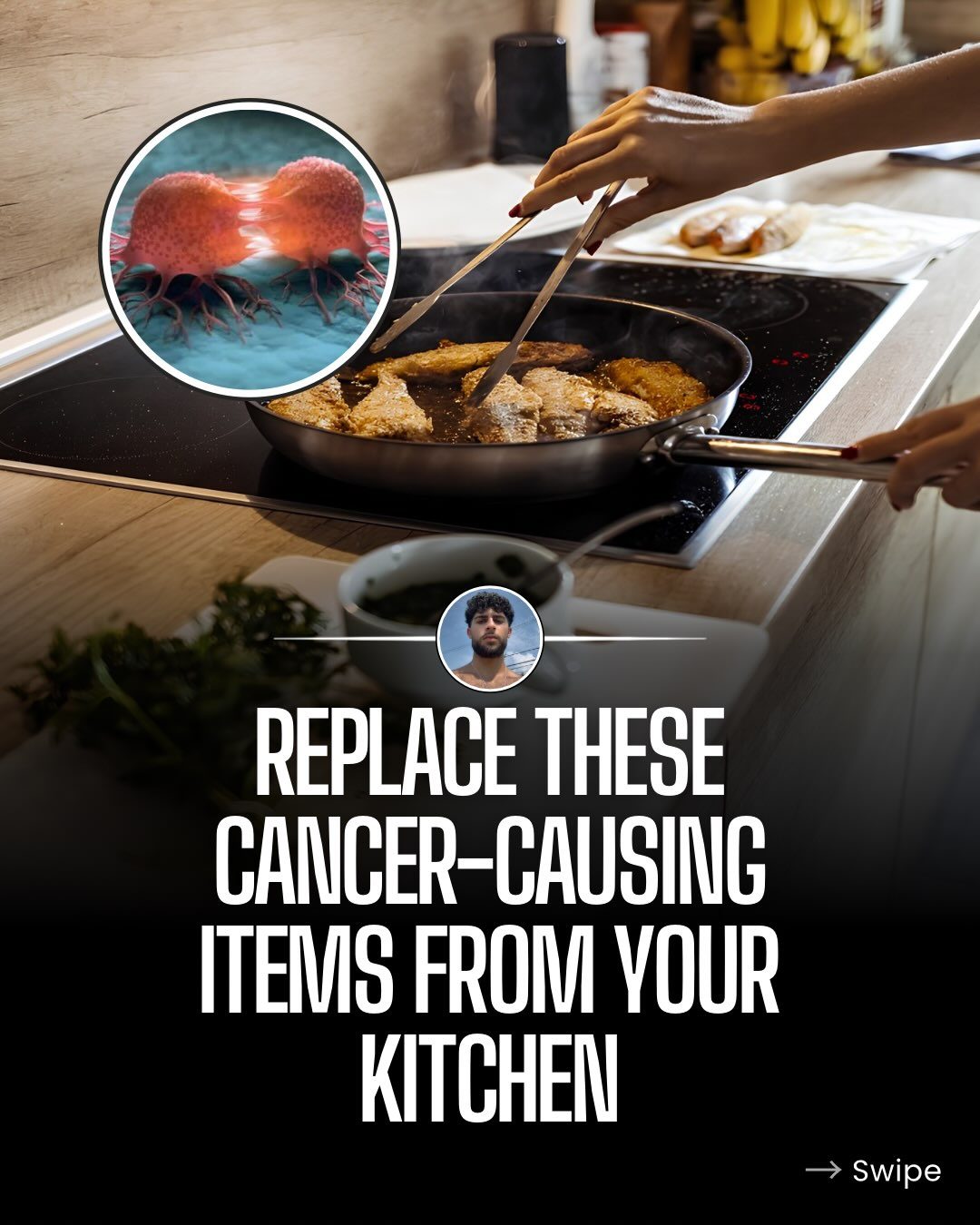
Kitchen Item Replacement: Healthier Alternatives for the Environment and Your Body
Kitchenware is essential for daily cooking, but some common items may contain materials that could have adverse effects on your health. Replacing certain kitchen items with safer alternatives can make a significant difference. Here, we’ll explore healthier alternatives to common kitchenware, focusing on avoiding potential cancer-causing materials.
Why This Matters
The kitchen is the heart of the home, where meals are prepared and shared. However, many everyday kitchen items can contain chemicals and materials that may pose health risks. By making informed choices, you can create a safer and healthier cooking environment. This is not about fear; it's about being proactive and choosing products that are better for you and your family.
Main Discussion
Aluminum Foil vs. Beeswax Paper
Health Concerns with Aluminum Foil
Aluminum foil is commonly used for wrapping and storing food. However, there are concerns that aluminum can leach into food, especially when exposed to acidic or spicy foods. While the health implications of this leaching are still debated, many people prefer to avoid the potential risk.
Benefits of Beeswax Paper
Beeswax paper is a natural, eco-friendly, and reusable alternative to aluminum foil. It’s made from organic cotton infused with beeswax, jojoba oil, and tree resin. This paper is non-toxic, biodegradable, and can be used to wrap sandwiches, snacks, and even cover bowls. It’s also easy to clean and can last for several months with proper care.
Plastic Cutting Boards vs. Wooden Cutting Boards
Issues with Plastic Cutting Boards
Plastic cutting boards are popular due to their durability and easy-to-clean surface. However, bacteria can become embedded in the grooves and cracks that form over time, making it difficult to fully sanitize. Additionally, plastic cutting boards are often made from materials that can leach chemicals into food, especially when exposed to heat or sharp objects.
Advantages of Wooden Cutting Boards
Wooden cutting boards, particularly those made from hardwoods like maple or walnut, are more hygienic in the long run. The natural fibers in the wood have antimicrobial properties and can be easily cleaned and sanitized. Wooden cutting boards are also more durable and can last for years with proper care, making them a more eco-friendly and cost-effective choice.
Plastic Containers vs. Glass Containers
Problems with Plastic Containers
Plastic containers are convenient and affordable, but they can pose health risks. Many plastics, especially those with the recycling codes 3, 6, and 7, can leach chemicals into food, especially when heated or exposed to acidic foods. These chemicals, such as BPA and phthalates, have been linked to various health issues.
Why Choose Glass Containers
Glass containers are a superior alternative to plastic. They are non-reactive, so they won’t leach chemicals into your food. Glass is also easier to clean and can be used in the oven and microwave, making it a versatile choice for food storage. Additionally, glass containers can be reused and recycled, reducing waste and helping the environment.
Seed Oils vs. Butter
Issues with Seed Oils
Seed oils, such as canola, soybean, and corn oil, are commonly used due to their neutral flavor and high smoke point. However, they are high in omega-6 fatty acids and low in omega-3 fatty acids, which can lead to an imbalance in the body. Additionally, many seed oils are processed at high temperatures, which can create harmful byproducts and free radicals.
Benefits of Butter
While butter has more calories and saturated fat, it’s a better choice for cooking and baking. Butter is made from natural ingredients and contains essential vitamins and minerals. Opt for organic, grass-fed butter for the most nutritional benefits.
Teflon Pans vs. Stainless Steel Pans
Issues with Teflon Pans
Teflon pans, designed for their non-stick properties, are popular in many kitchens. However, Teflon contains PFTE, a chemical that can break down and release harmful fumes when heated to high temperatures. These fumes have been linked to various health issues, including flu-like symptoms and respiratory problems.
Why Choose Stainless Steel Pans
Stainless steel pans are a durable and safe alternative to Teflon pans. They are free from harmful chemicals and can withstand high temperatures without releasing toxic fumes. Additionally, stainless steel pans are easy to clean and maintain, making them a practical and healthy choice for cooking.
Practical Tips
-
Upgrade Your Alu: When wrapping leftovers or storing food, reach for beeswax paper instead. It’s a sustainable, non-toxic alternative that you can use multiple times, reducing waste as well.
-
Wooden Wonder: Ditch the plastic cutting boards for wooden ones. They are more hygienic, last longer, and can be easily sanitized.
-
Go Glass: Replace your plastic containers with glass ones. They are free from harmful chemicals, can be used in the microwave and oven, and are easy to clean.
-
Choose Butter: Opt for butter over seed oils for cooking and baking. It’s a natural, healthier option that’s more nutritious.
-
Stainless Steel: Invest in stainless steel cookware. Not only is it durable, but it also provides a healthier cooking surface.
Important Takeaways
-
Avoid Plastics: As much as possible, avoid plastics that can leach harmful chemicals into your food. This includes plastic cutting boards, containers, and utensils.
-
Choose Natural Alternatives: Opt for natural, non-toxic materials like beeswax paper, wooden cutting boards, and glass containers. These are better for your health and the environment.
-
Opt for Butter: Butter is a natural, healthier alternative to seed oils. While it may have more calories, it’s a more nutritious choice for cooking and baking.
-
Durable Materials: Invest in durable materials like stainless steel for cookware. They are long-lasting, environmentally friendly, and safer for your health.
Conclusion
Making small changes in your kitchen can lead to significant improvements in your overall health. By replacing common kitchen items with safer, more sustainable alternatives, you can create a healthier cooking environment for yourself and your family. These changes are not just about avoiding potential health risks; they are about choosing products that are better for you and the environment. Start by replacing aluminum foil with beeswax paper, plastic cutting boards with wooden ones, and glass containers with plastic ones. With these simple steps, you can transform your kitchen into a healthier and more sustainable space.
Watch the Reel
Questions readers ask
What are some cancer-causing materials commonly found in kitchens?
Some cancer-causing materials found in kitchens include aluminum, which can leach into food, particularly when heated. Additionally, plastics, especially those containing BPA and phthalates, can release harmful chemicals when exposed to heat or used for storing acidic or fatty foods.
Why should I avoid using aluminum foil?
Aluminum foil can leach into food, especially when heated or when acidic foods are involved. This can lead to increased aluminum intake, which has been linked to various health issues. Opting for beeswax paper, which is non-toxic and sustainable, is a healthier alternative.
What are the benefits of using wooden cutting boards over plastic ones?
Wooden cutting boards are preferable because they are less likely to harbor bacteria compared to plastic boards, which can develop deep grooves over time. Additionally, wood is a natural and sustainable material that doesn't leach harmful chemicals into your food.
What are some good alternatives to using plastic containers for food storage?
Consider using glass or stainless steel containers instead of plastic. These materials are non-reactive, durable, and can be safely used in the freezer, oven, and dishwasher, making them a versatile and healthy choice for food storage.
How can beeswax paper be used in the kitchen?
Beeswax paper is a versatile and eco-friendly alternative to plastic wrap. It can be used to wrap sandwiches, cover bowls, and line containers. Its natural adhesive properties make it easy to use and helps keep food fresh without any harmful chemicals.
Should I be concerned about non-stick cookware?
Non-stick cookware, particularly those made with Teflon, can release harmful fumes when overheated. Opting for ceramic or stainless steel cookware can help you avoid these risks while still enjoying the convenience of non-stick surfaces.
Recent articles
Fresh deep dives from the latest Reels we unpacked.




Comments
Be the first to comment.