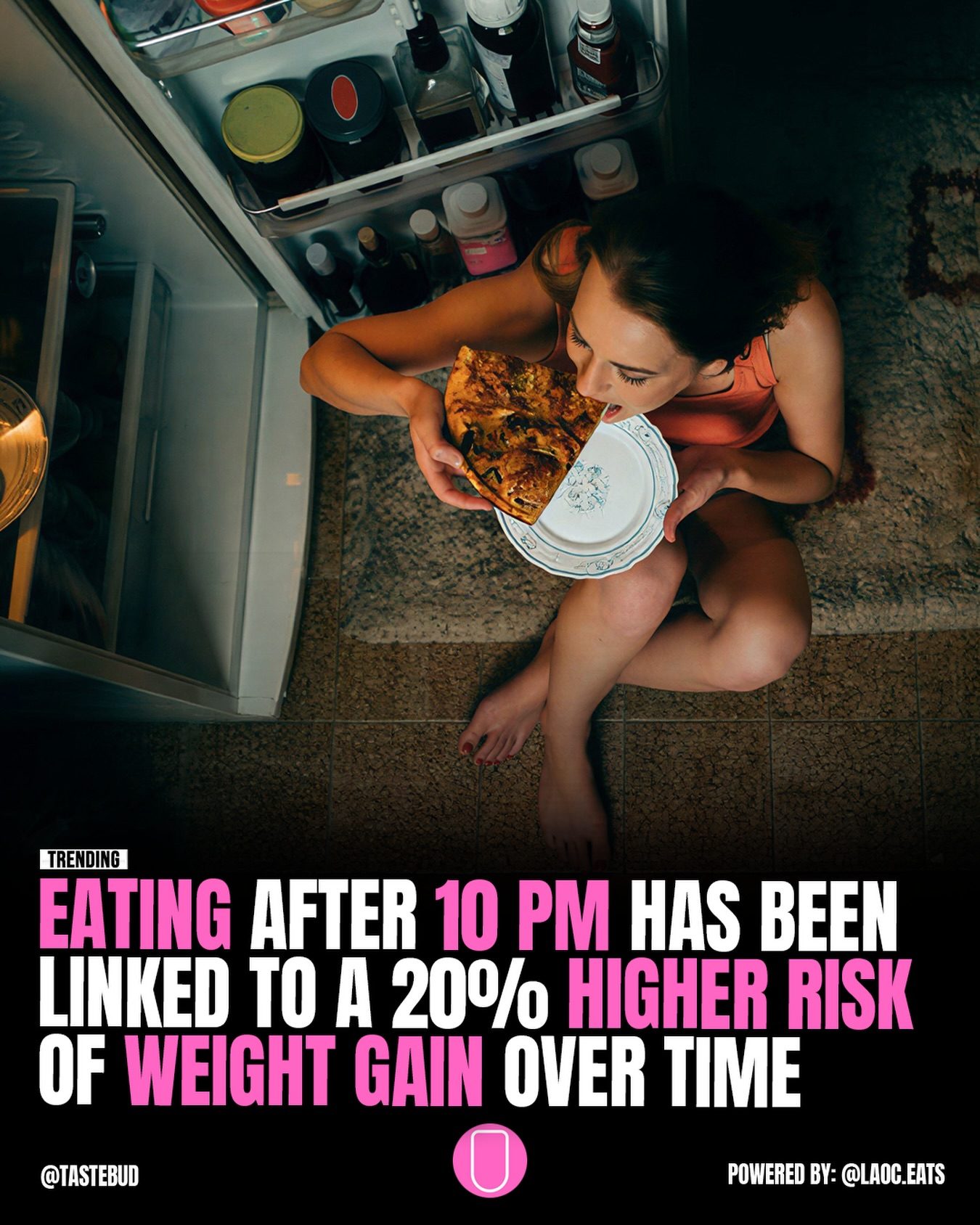
Late-night eating is a common habit, especially among those who stay up late for personal or work-related reasons. However, it's crucial to understand the potential health impacts of consuming food at night.
Late-night eating is defined as consuming food within two to three hours before bedtime. This can be problematic, as studies suggest it may be linked to higher long-term weight gain and increased body fat. However, it's important to note that while this is one factor, total calorie intake, sleep, and lifestyle still play the biggest role.
Why This Matters
Late-night eating can affect your overall health and well-being. It is essential to understand how this habit may impact your body, so you can make informed decisions about your eating habits.
The Link Between Late-Night Eating and Weight Gain
One of the primary concerns with late-night eating is the potential for increased weight gain. Some studies suggest that eating late at night may be linked to a higher long-term risk of weight gain. People who consume more of their daily calories in the evening tend to show higher body fat percentages and poorer glucose control. Eating after 10 PM, in particular, has been linked to a 20% higher risk of weight gain over time. This potential risk is likely due to a combination of factors, including:
- Reduced Metabolism: Your metabolism may slow down as the day goes on, making it harder for your body to process and burn off the calories you consume late at night.
- Lack of Physical Activity: Late-night eating is often associated with sedentary behavior, such as watching TV or using a computer. This lack of physical activity can contribute to weight gain.
The Impact on Glucose Control
Late-night eating can also affect your glucose control. Consuming food late at night can lead to higher blood sugar levels, as your body produces less insulin at night. This can make it more difficult for your body to regulate blood sugar, potentially leading to glucose intolerance over time. Poor glucose control is a significant risk factor for developing type 2 diabetes, so managing your late-night eating habits is essential for maintaining good glucose control.
The Role of Total Calorie Intake
While late-night eating can be a problem, it's essential to consider the overall calorie intake. If you consume too many calories throughout the day, regardless of when you eat, you're more likely to gain weight. Therefore, it's crucial to maintain a balanced diet and engage in regular physical activity.
To illustrate, if you consume a large number of calories during the day and only a few at night, your body will likely burn off the day's calories more effectively than if you consume most of your calories at night. However, the key is to consume the right amount of calories overall.
Practical Tips
To minimize the potential risks associated with late-night eating, consider the following tips:
Plan Your Meals
Try to consume most of your calories earlier in the day, especially breakfast and lunch. Eating a balanced diet during the day can help curb late-night cravings.
Stay Hydrated
Sometimes, your body may confuse thirst for hunger. Ensure you're drinking enough water throughout the day, and avoid dehydration.
Engage in Regular Physical Activity
Regular exercise can help boost your metabolism, making it easier for your body to burn off calories. Even light activities, such as walking or stretching, can help.
Create a Bedtime Routine
A consistent bedtime routine can help regulate your sleep patterns, making it easier to avoid late-night snacking. Try to go to bed and wake up at the same time every day, even on weekends.
Avoid Distractions
Eating while watching TV or using a computer can make it harder to pay attention to your hunger and fullness cues. Try to eat mindfully, focusing on your food and avoiding distractions.
Important Takeaways
- Consuming a high proportion of daily calories in the evening can lead to higher body fat and poorer glucose control.
- Late-night eating may be linked to a 20% higher risk of weight gain over time.
- Maintaining a balanced diet and engaging in regular physical activity are crucial for overall health, regardless of when you eat.
- If you do eat late at night, try to make healthier choices and avoid overeating.
Conclusion
While late-night eating can have potential health risks, it's not always the sole cause of weight gain or poor health. It's essential to consider your overall lifestyle, including your total calorie intake, physical activity, and sleep.
By understanding the potential risks and making conscious choices about your eating habits, you can better manage your late-night eating and maintain overall well-being.
Watch the Reel
Questions readers ask
Why is eating after 10 PM considered late-night eating?
Eating after 10 PM is typically considered late-night eating because it falls within two to three hours before the average bedtime. This timing can disrupt your body's natural rhythms and metabolic processes.
Does eating after 10 PM always lead to weight gain?
While eating after 10 PM can contribute to weight gain, especially if you are consuming high-calorie foods, it is not the sole factor. Your overall calorie intake, physical activity, and sleep patterns also play significant roles.
What are the health risks of late-night snacking?
Late-night snacking can increase the risk of weight gain, higher blood sugar levels, and disrupt your metabolism. Additionally, it may lead to digestive issues and poorer sleep quality.
How does eating late at night affect metabolism?
Eating late at night can disrupt your body's natural metabolic rhythm. When you consume food close to bedtime, your body may not have enough time to process and burn off the calories, leading to potential weight gain and other health issues.
Can changing late-night eating habits improve long-term health?
Yes, altering your late-night eating habits can positively impact your long-term health. By avoiding food intake close to bedtime, you can help regulate your metabolism, maintain a healthier weight, and improve your overall well-being.
Should you avoid all late-night food?
It is not necessary to avoid all late-night food, but it is advisable to choose healthier options if you must eat. Opt for light snacks, such as fruits or yogurt, and avoid high-calorie, high-sugar, or high-fat foods. Give yourself some time for digestion before heading to bed.
What are the best ways to curb late-night food cravings?
To curb late-night food cravings, try setting a regular eating schedule, staying hydrated, and engaging in relaxing activities like reading or light exercise before bed. If you feel hungry, opt for a light, nutritious snack instead of a heavy meal.
Related deep dives
Similar reads based on topic and creator.



Recent articles
Fresh deep dives from the latest Reels we unpacked.




Comments
Be the first to comment.