Red Meat Nutrition
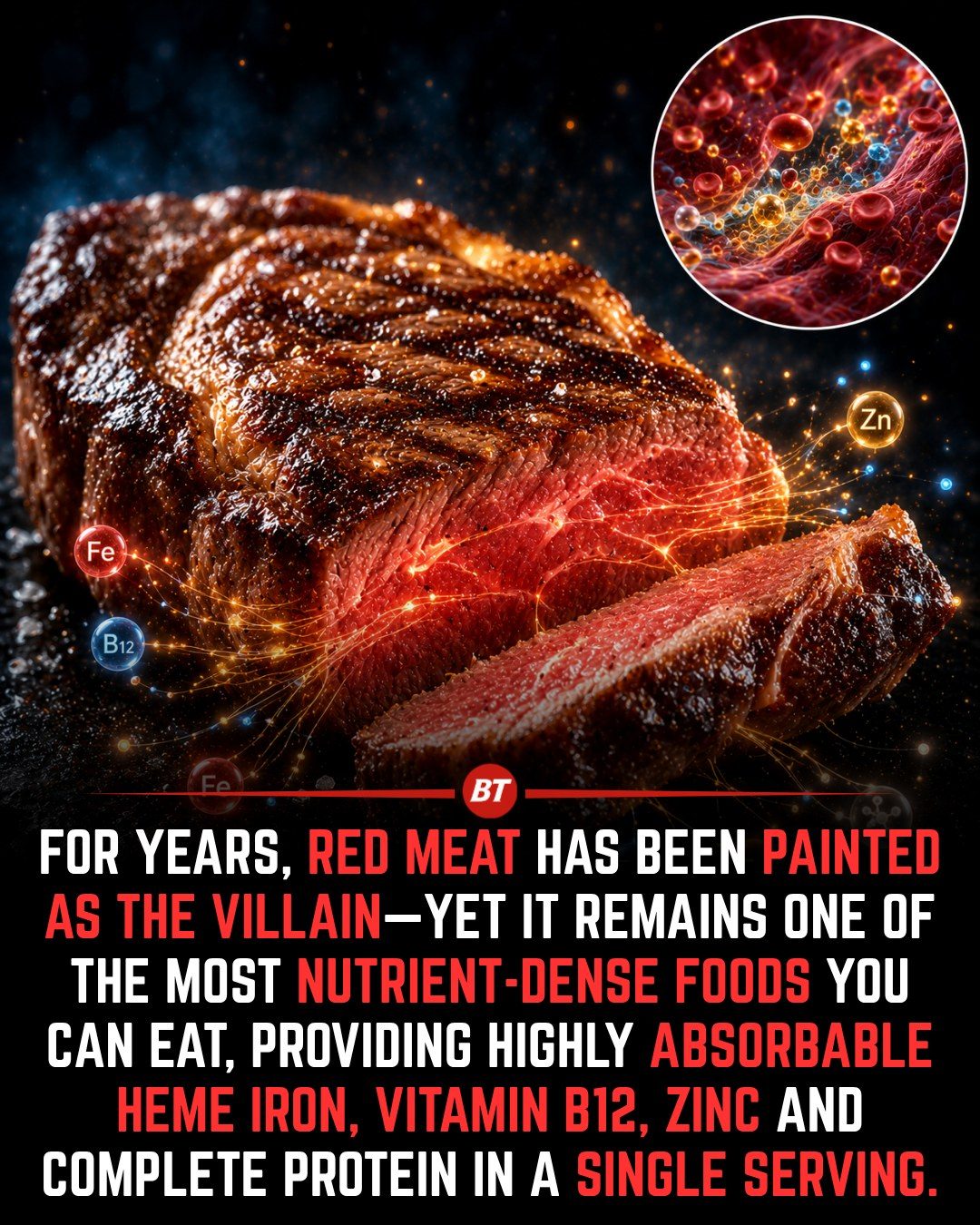
Red meat is often misunderstood, but it remains a highly nutrient-dense food. Unprocessed red meat offers a robust nutritional profile, making it a valuable addition to a balanced diet. Let's delve into the specifics of why red meat deserves a place in meal planning.
Why This Matters
Understanding the nutritional value of red meat is crucial for anyone seeking to optimize their diet. Red meat provides a unique blend of nutrients that are essential for various bodily functions. Whether you're an athlete, a fitness enthusiast, or someone looking to maintain overall health, incorporating the right red meat can be beneficial.
Nutritional Benefits of Red Meat
Heme Iron
One of the standout features of red meat is its high content of heme iron. Unlike the non-heme iron found in plant sources, heme iron is more readily absorbed by the body. This makes red meat an excellent source for preventing iron-deficiency anemia, a condition that impairs the body's ability to transport oxygen effectively.
Vitamin B12
Red meat is one of the richest natural sources of vitamin B12. This nutrient is vital for brain function, nerve health, DNA synthesis, and energy metabolism. Vitamin B12 deficiency can lead to severe neurological issues, making red meat a crucial dietary component for maintaining brain health.
Complete Protein
Red meat supplies complete protein, which means it contains all nine essential amino acids. These amino acids are necessary for building and repairing muscle, producing enzymes and hormones, and supporting immune function. This makes red meat an excellent choice for those looking to enhance muscle growth and overall health.
Zinc
Zinc is another key nutrient found in red meat. It plays a critical role in normal testosterone production, wound healing, and immune function. By incorporating red meat into your diet, you can boost your body's natural defense systems and ensure proper hormonal balance.
Selenium
Red meat also contains selenium, an important antioxidant mineral. Selenium aids in protecting cells from damage caused by free radicals and supports thyroid function, which is essential for regulating metabolism and overall energy levels.
The Importance of Lean, Unprocessed Red Meat
Lean, unprocessed red meat offers the highest nutritional benefits. When choosing red meat, opt for cuts such as sirloin, tenderloin, eye of round, or grass-fed beef. These cuts are lower in saturated fats and higher in nutrients. Pairing red meat with fiber-rich vegetables and a source of vitamin C can help maximize iron absorption and create a balanced meal.
Practical Tips for Incorporating Red Meat into Your Diet
Choosing the Right Cuts
Select lean, minimally processed cuts of red meat. Opt for grass-fed beef, which is known for its leaner profile and higher nutritional content. Avoid processed meats, as they have shown less favorable health associations when consumed in high amounts.
Pairing with Nutrient-Rich Foods
Pair red meat with nutrient-rich foods to enhance its benefits. Vegetables like bell peppers and citrus fruits are excellent sources of vitamin C, which aids in iron absorption. Additionally, incorporating legumes and whole grains can provide a comprehensive nutritional profile.
Balancing Your Meals
Include a variety of food groups in your meals. Red meat should be part of a balanced dietary pattern that includes vegetables, fruits, legumes, and healthy fats. This ensures you get a wide range of nutrients and avoid overconsumption of any single nutrient.
Portion Control
While red meat offers numerous benefits, it's essential to consume it in moderation. Stick to recommended serving sizes to avoid excessive intake of saturated fats and other nutrients that may be harmful in large amounts.
Important Takeaways
Red meat is a nutrient-dense food that provides essential nutrients like heme iron, vitamin B12, zinc, selenium, and complete protein. When consumed as part of a balanced diet, red meat can contribute to overall health and well-being, particularly for older adults, athletes, and individuals with increased iron requirements.
Conclusion
Red meat is a nutritional powerhouse that often gets a bad rap. By understanding its benefits and incorporating it into a balanced diet, you can reap the rewards of its rich nutritional profile. Opt for lean, unprocessed cuts and pair them with nutrient-rich foods to maximize their impact on your health. Red meat is not just a source of protein; it's a complete package of essential nutrients that support various bodily functions.
Watch the Reel
Questions readers ask
What makes heme iron in unprocessed red meat different from other forms of iron?
Heme iron, found in unprocessed red meat, is more easily absorbed by the body compared to non-heme iron from plant sources. This is because heme iron is already in a form that the body can readily use, making it an efficient way to boost iron levels. This is particularly beneficial for individuals who are at risk of iron deficiency, such as menstruating women and growing children.
How does the protein in red meat support overall health?
The protein in unprocessed red meat is considered complete, meaning it contains all nine essential amino acids that the body needs but cannot produce on its own. These amino acids are vital for muscle repair and growth, as well as for maintaining a healthy immune system. Incorporating red meat into your diet can help meet your daily protein requirements, which is especially important for athletes and fitness enthusiasts.
What role does vitamin B12 in red meat play in the body?
Vitamin B12, which is abundant in unprocessed red meat, is essential for the production of red blood cells and the maintenance of the nervous system. It helps prevent anemia and supports cognitive function. Additionally, vitamin B12 plays a crucial role in DNA synthesis and the regulation of the body's metabolism. Deficiency in vitamin B12 can lead to fatigue, weakness, and neurological issues, making red meat a valuable addition to the diet.
Why is zinc from red meat important for health?
Zinc, found in unprocessed red meat, is a vital mineral that supports immune function, wound healing, and protein synthesis. It is also essential for maintaining healthy skin, hair, and nails. Ensuring adequate zinc intake through red meat consumption can help support overall health and may reduce the risk of infections and illnesses, making it an essential part of a balanced diet.
Is it healthy to include unprocessed red meat as part of a balanced diet?
When included in moderation, unprocessed red meat can be a healthy part of a balanced diet. Its rich nutritional profile, including heme iron, vitamin B12, complete protein, and zinc, provides numerous health benefits, including improved muscle health, enhanced cognitive function, and a stronger immune system. It's recommended to include lean cuts and portion control to avoid excessive saturated fat intake.
What are the benefits of choosing unprocessed red meat over processed varieties?
Unprocessed red meat is generally free from added preservatives, nitrates, and other chemicals found in processed meats. By choosing unprocessed red meat, you can avoid these additives and excess sodium, which are linked to various health issues, including high blood pressure and certain cancers. Additionally, unprocessed red meat retains its natural nutritional content, offering more substantial health benefits.
How can red meat for overall health and physical performance be optimized?
To maximize the health benefits and physical performance from red meat, opt for lean cuts and incorporate them into a balanced diet that includes plenty of fruits, vegetables, whole grains, and healthy fats. Stay mindful of portion sizes, aiming for around 3-4 ounces per serving, and limit your intake to a few times a week. This approach ensures you reap the nutritional benefits without consuming excess saturated fat.
Related deep dives
Similar reads based on topic and creator.




Recent articles
Fresh deep dives from the latest Reels we unpacked.




Comments
Be the first to comment.