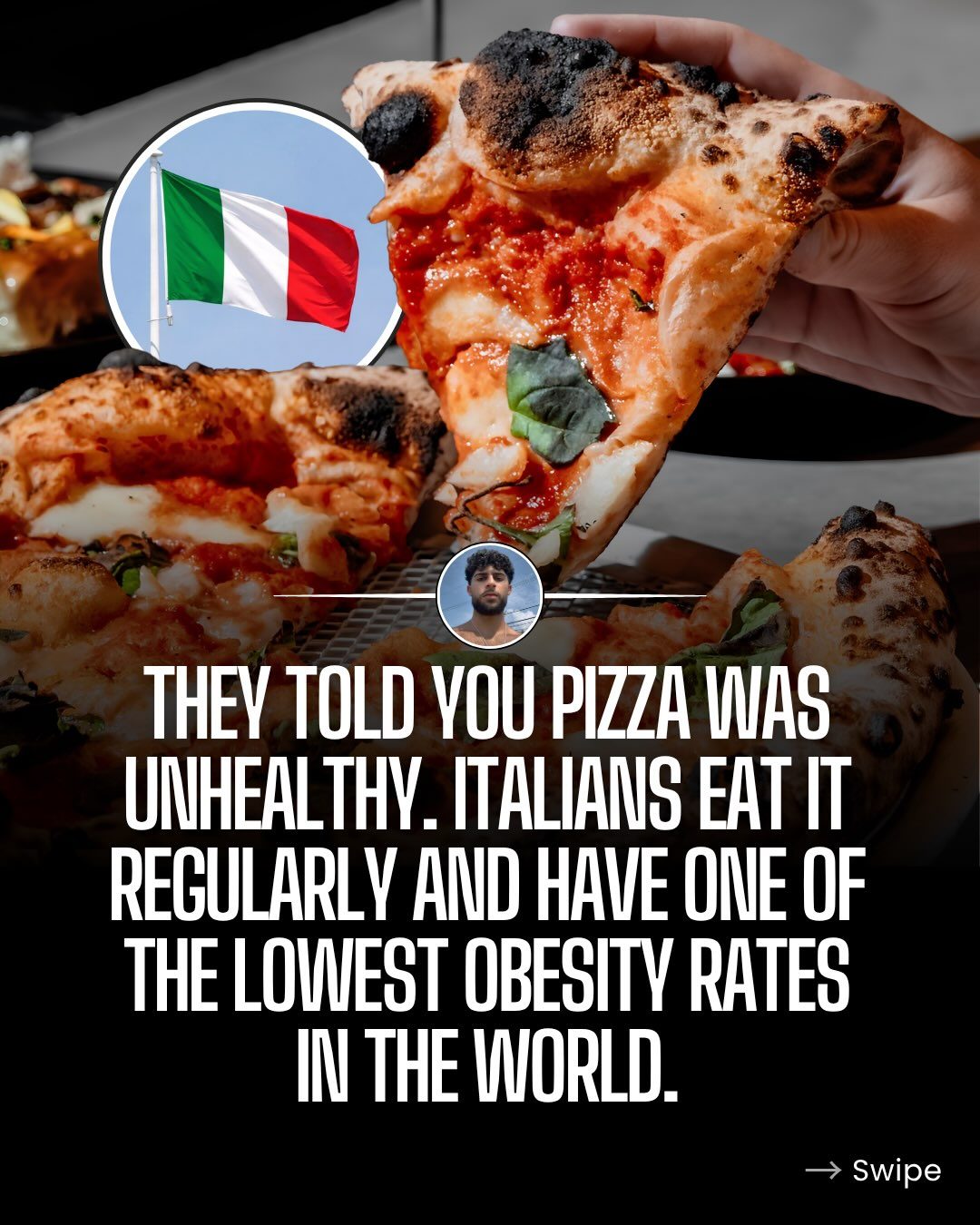
The Truth About Pizza and Health
Pizza is often demonized as an unhealthy food, but a closer look at traditional pizza and the changes in its ingredients over time tell a different story.
Why This Matters
Understanding the distinction between traditional and modern pizza can help shed light on the nutritional differences and reasons why pizza has been unfairly blamed for health problems. Italy offers a compelling case study, with regular pizza consumption and lower obesity rates.
Traditional Neapolitan Pizza
Traditional Neapolitan pizza is celebrated for its simplicity and wholesome ingredients. The classic recipe consists of just four components:
Cold Fermented Dough
Cold fermentation of the dough enhances its digestibility. This process involves slow rising at low temperatures, which allows the yeast to work more gradually, developing flavors and making the dough easier to digest.
Marzano Tomatoes
Marzano tomatoes are a key ingredient in traditional Neapolitan pizza. They are known for their rich, sweet flavor and high antioxidant content, which contributes to the overall nutritional value of the pizza.
Fresh Mozzarella
Fresh mozzarella provides real protein and fats. This cheese is made from whole milk and has a higher nutritional value compared to processed cheese alternatives. It adds a creamy texture and rich flavor to the pizza.
Extra Virgin Olive Oil
Extra virgin olive oil is used for its anti-inflammatory properties. This high-quality oil adds a rich flavor and is beneficial for heart health, thanks to its monounsaturated fats and antioxidants.
The Evolution of Pizza
Over time, the pizza industry has made significant changes to the traditional recipe, often replacing whole, healthy ingredients with processed alternatives. This shift has greatly impacted the nutritional profile of modern pizza.
Fermented Dough to Refined Flour
Modern pizza dough often uses refined flour instead of cold fermented dough. This change reduces the nutritional value and digestibility of the dough, making it less beneficial for the body.
Tomatoes to Sugary Paste
Traditional Marzano tomatoes have been replaced with sugary tomato pastes in many pizzas. This swap increases the sugar content and reduces the nutritional benefits of the toppings.
Fresh Mozzarella to Processed Cheese
Processed cheese is often used in place of fresh mozzarella. This substitution lowers the protein and fat quality, making the pizza less nutritious and more calorie-dense.
Olive Oil to Seed Oils
Many modern pizzas use seed oils instead of extra virgin olive oil. These oils are often high in omega-6 fatty acids, which can promote inflammation when consumed in excess. They lack the anti-inflammatory benefits of olive oil.
Fresh Toppings to Processed Meats
Fresh toppings like vegetables and meats are increasingly replaced with processed meats. These processed meats are often high in sodium and preservatives, contributing to health issues when consumed regularly.
The Industry's Role
The pizza industry has played a significant role in the misconception that pizza is unhealthy. By replacing traditional ingredients with processed alternatives, the industry has created a product that is less nutritious and more harmful to health. This shift has led to the unfair demonization of pizza, overshadowing its potential as a healthy food option.
Practical Tips
Making healthier choices when it comes to pizza can be as simple as opting for traditional recipes and ingredients.
Choose Traditional Recipes
When possible, opt for traditional Neapolitan-style pizza recipes. These recipes use the original, wholesome ingredients that have been enjoyed for centuries in Italy. Look for pizzerias that follow traditional methods and use high-quality ingredients.
Read Ingredient Labels
Always check the ingredient list when buying pizza or pizza ingredients. Look for whole ingredients like fresh tomatoes, mozzarella, and olive oil. Avoid products with a long list of processed ingredients and additives.
Make Your Own
Making pizza at home allows you to control the ingredients and ensure you are using the healthiest options. Experiment with traditional recipes and enjoy the process of creating a healthy, delicious meal.
Support Local Pizzerias
Support local pizzerias that prioritize traditional methods and ingredients. These establishments often focus on quality and authenticity, providing a healthier and more enjoyable dining experience.
Important Takeaways
Traditional Neapolitan pizza can be a healthy part of a balanced diet. The key lies in choosing pizzas made with whole, traditional ingredients. The modern pizza industry has significantly altered the nutritional value of pizza by replacing wholesome ingredients with processed alternatives. Being mindful of ingredients and supporting traditional methods can help restore pizza’s reputation as a nutritious food option.
Conclusion
The narrative around pizza and health is more nuanced than it initially appears. Traditional Neapolitan pizza, with its wholesome ingredients, offers a healthier option. However, the industry's shift to processed ingredients has contributed to pizza's negative health image. By making informed choices and supporting traditional methods, you can enjoy pizza as a delicious and nutritious meal.
Watch the Reel
Questions readers ask
What makes traditional Neapolitan pizza different from modern pizza varieties?
Traditional Neapolitan pizza is distinguished by its simple, high-quality ingredient list. It typically consists of cold-fermented dough, fresh mozzarella, Marzano tomatoes, and a small amount of olive oil and basil. This contrasts with many modern pizzas that often include processed ingredients, extra cheeses, and various toppings. The simplicity of Neapolitan pizza creates a different nutritional profile.
How does the cold fermentation process benefit the dough in Neapolitan pizza?
Cold fermentation enhances the health benefits of Neapolitan pizza. The dough is left to rise slowly at low temperatures, which develops more complex flavors and improves digestibility. This process also helps to break down gluten and other hard-to-digest components, making the pizza easier on the digestive system.
Are there specific health benefits associated with the ingredients in traditional Neapolitan pizza?
Yes, the primary ingredients in traditional Neapolitan pizza offer several health benefits. Fresh mozzarella provides calcium and protein, while Marzano tomatoes are rich in vitamins, minerals, and antioxidants. Additionally, the cold-fermented dough is easier to digest, and the use of olive oil contributes healthy fats.
Why is traditional Neapolitan pizza considered a healthier option compared to many modern pizza recipes?
Traditional Neapolitan pizza is often considered healthier due to its focus on fresh, whole ingredients and minimal processing. It avoids many of the additives and preservatives found in modern pizza recipes. The use of high-quality, nutritious ingredients like fresh mozzarella and Marzano tomatoes further contributes to its healthier profile.
How does the nutrient content of traditional Neapolitan pizza compare to other pizza types?
Traditional Neapolitan pizza generally has a more favorable nutrient content due to its use of fresh, whole ingredients. It tends to be lower in sodium, calories, and unhealthy fats compared to many modern pizzas, which often include processed meats, extra cheese, and high-sodium sauces. The simplicity of Neapolitan pizza makes it a more balanced meal.
Can regular consumption of traditional Neapolitan pizza be part of a balanced diet?
Yes, regular consumption of traditional Neapolitan pizza can be part of a balanced diet, especially when enjoyed in moderation. The key is to choose pizza made with traditional, high-quality ingredients and to pair it with a variety of other nutritious foods. Italy's regular pizza consumption and lower obesity rates serve as an example.
What role do the fresh ingredients in Neapolitan pizza play in its overall health profile?
The fresh ingredients in Neapolitan pizza significantly contribute to its overall health profile. Fresh mozzarella provides essential nutrients like calcium and protein. Marzano tomatoes offer vitamins, minerals, and antioxidants. The use of fresh, high-quality ingredients enhances the pizza's flavor and nutritional content, making it a more wholesome choice.
Recent articles
Fresh deep dives from the latest Reels we unpacked.




Comments
Be the first to comment.