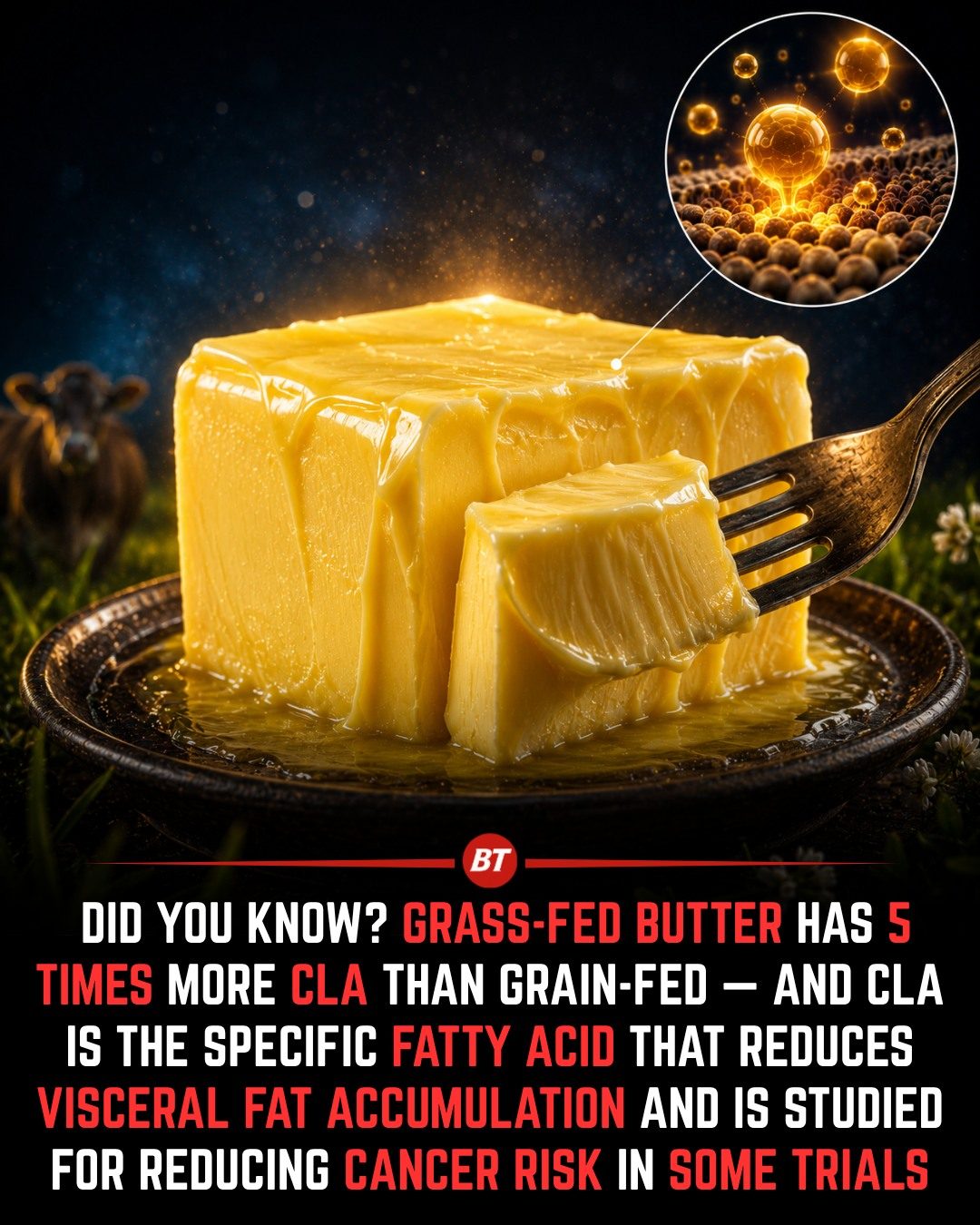
Grass-Fed Butter Benefits
Butter is a staple in many kitchens, but not all butter is created equal. Grass-fed butter, in particular, offers a unique nutritional profile that sets it apart from conventional butter. This difference lies primarily in the diet of the cows, which directly impacts the nutritional content of the butter.
Why This Matters
The diet of the cows that produce the milk for butter plays a crucial role in determining the butter's nutritional content. Cows that graze on fresh pasture produce milk and butter that contain higher levels of beneficial nutrients. This is particularly true for grass-fed butter, which has been shown to contain substantially more conjugated linoleic acid (CLA) than butter from cows raised primarily on grain-based diets.
Main Discussion
The Role of Diet in Nutritional Content
When cows graze on fresh pasture, they consume a variety of plant compounds that are converted by microbes in their digestive system into CLA. This fatty acid is then concentrated in the cow's milk and, consequently, in the butter made from that milk. The exact amount of CLA can vary depending on several factors, including the season, pasture quality, and farming practices. However, it is generally accepted that grass-fed dairy products contain more CLA than their conventional counterparts.
What is Conjugated Linoleic Acid (CLA)?
CLA is a naturally occurring fatty acid found in the meat and dairy of grazing animals. It has been the subject of extensive research due to its potential health benefits. Some studies suggest that CLA supplementation may produce modest reductions in body fat, particularly visceral fat—the fat stored around internal organs that is linked to metabolic disease. Additionally, laboratory and animal studies have explored CLA's role in influencing inflammation, fat metabolism, and the growth of certain cancer cells. While these findings are promising, the evidence in humans is still mixed, and scientists continue to investigate whether the amounts naturally found in foods provide the same effects seen with concentrated supplements.
Other Beneficial Nutrients
Grass-fed butter offers more than just CLA. It also tends to contain higher amounts of omega-3 fatty acids, vitamin K2, and beta-carotene. These nutrients contribute to the rich yellow color of grass-fed butter and enhance its nutritional value. Omega-3 fatty acids, in particular, are known for their heart-healthy benefits, while vitamin K2 plays a role in bone health and blood clotting. Beta-carotene, on the other hand, is a precursor to vitamin A, which is essential for various bodily functions, including vision and immune function.
Health Implications
The potential health benefits of grass-fed butter extend beyond its nutritional content. Some studies suggest that the higher levels of CLA and other beneficial nutrients in grass-fed butter may have a positive impact on body composition, metabolism, and cellular health. While more research is needed to fully understand these effects, the existing evidence points to the potential health advantages of incorporating grass-fed butter into a balanced diet.
Practical Tips for Choosing and Using Grass-Fed Butter
When choosing grass-fed butter, look for products that are clearly labeled as 100% grass-fed. This ensures that the cows were raised on a diet of fresh pasture, which is crucial for the higher CLA content. Keep in mind that grass-fed butter tends to have a richer flavor and a more vibrant color due to its higher nutrient content. Use it in moderation as part of an overall balanced diet rich in whole, minimally processed foods.
Incorporating Grass-Fed Butter into Your Diet
Grass-fed butter can be used in a variety of recipes, from baking to sautéing. Its rich flavor makes it a delicious addition to any dish. Consider using it in your morning toast, to enhance the flavor of roasted vegetables, or as a base for a savory sauce. The versatility of grass-fed butter makes it an excellent choice for anyone looking to add more beneficial nutrients to their diet.
Practical Tips
When incorporating grass-fed butter into your diet, keep the following tips in mind:
- Choose 100% grass-fed butter to ensure higher levels of CLA and other beneficial nutrients.
- Use grass-fed butter in moderation as part of a balanced diet.
- Experiment with different recipes to fully enjoy the rich flavor of grass-fed butter.
- Consider the season and quality of the pasture when selecting grass-fed butter, as these factors can affect the nutritional content.
Important Takeaways
Grass-fed butter offers a unique nutritional profile that sets it apart from conventional butter. Its higher content of CLA, omega-3 fatty acids, vitamin K2, and beta-carotene makes it a valuable addition to a balanced diet. While more research is needed to fully understand the health benefits of grass-fed butter, the existing evidence points to its potential advantages for body composition, metabolism, and overall health. By choosing 100% grass-fed butter and using it in moderation, you can enjoy its rich flavor and nutritional benefits.
Conclusion
Butter from grass-fed cows offers a distinct nutritional advantage over conventional butter. The higher levels of CLA and other beneficial nutrients make it a valuable addition to a balanced diet. By understanding the role of the cow's diet in determining the nutritional content of butter, you can make informed choices about the butter you consume. Whether you use it in baking, sautéing, or as a spread, grass-fed butter can enhance both the flavor and nutritional value of your meals.
Watch the Reel
Questions readers ask
What is conjugated linoleic acid (CLA) and why is it important in grass-fed butter?
Conjugated linoleic acid (CLA) is a type of fatty acid found in grass-fed butter. It is important because it has been linked to various health benefits, including potential reductions in visceral fat and improved metabolism. Grass-fed butter contains significantly higher levels of CLA compared to conventional butter, making it a healthier choice for many consumers.
How does the diet of cows affect the nutritional content of grass-fed butter?
The diet of cows directly influences the nutritional profile of the butter they produce. Cows that graze on fresh pasture produce milk and butter with higher levels of beneficial nutrients. These cows have a diet rich in natural grasses, which leads to increased levels of CLA and other healthful fats in the butter.
What are the key differences between grass-fed butter and conventional butter?
The primary difference lies in the nutritional content. Grass-fed butter contains higher levels of conjugated linoleic acid (CLA) and other beneficial fats. These differences are due to the natural diet of the cows, which graze on fresh pasture rather than being fed a grain-based diet. This makes grass-fed butter a more healthful option for those looking to improve their diet.
Can consuming grass-fed butter help with weight management?
Yes, studies have suggested that the higher levels of conjugated linoleic acid (CLA) in grass-fed butter may aid in weight management. CLA has been shown to potentially reduce visceral fat and promote a healthier metabolism, which can be beneficial for maintaining a healthy weight.
Is grass-fed butter a good choice for reducing cancer risk?
Some studies suggest that the conjugated linoleic acid (CLA) found in grass-fed butter may have anti-cancer properties. While more research is needed, the higher levels of CLA in grass-fed butter could potentially contribute to a reduced cancer risk compared to conventional butter.
Why should I choose grass-fed dairy products over conventional dairy?
Grass-fed dairy products, including butter, offer a richer nutritional profile due to the natural diet of the cows. These products contain higher levels of beneficial fats like CLA, which can support overall health. By choosing grass-fed dairy, you can enjoy the natural health benefits that come from a more nutrient-dense diet.
Does grass-fed butter contain more vitamins and minerals than conventional butter?
Grass-fed butter generally contains higher levels of certain vitamins and minerals than conventional butter. This is due to the nutrient-rich diet of the cows, which includes fresh pasture grass. The natural diet of the cows leads to increased levels of vitamins A, E, and K2, as well as other essential nutrients in the butter.
Related deep dives
Similar reads based on topic and creator.




Recent articles
Fresh deep dives from the latest Reels we unpacked.




Comments
Be the first to comment.