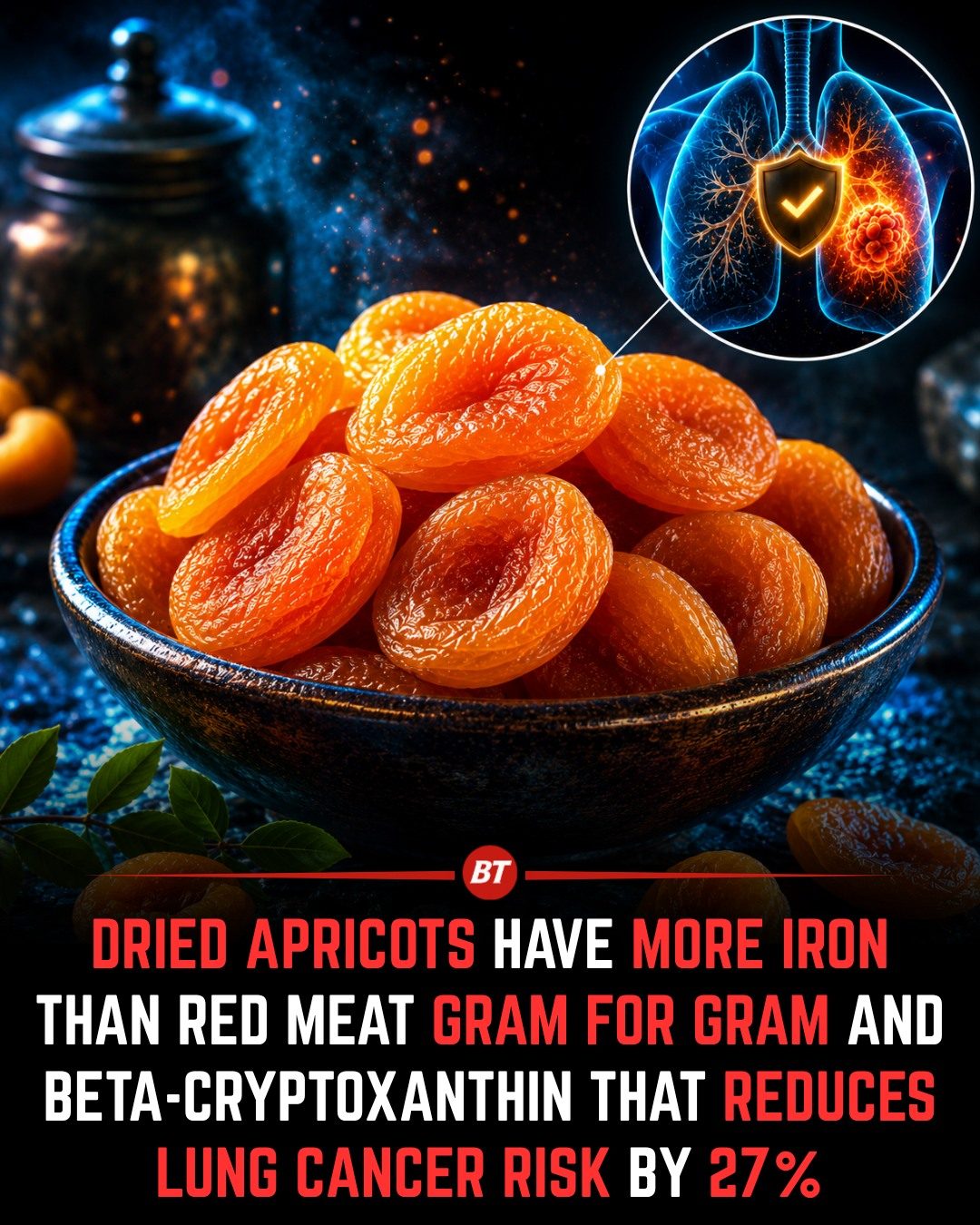
Dried Apricots
Dried apricots are a nutritional powerhouse, packed with essential minerals and protective plant compounds. They are particularly notable for their high iron content and the presence of beta-cryptoxanthin, a carotenoid linked to a lower risk of lung cancer. When fresh apricots are dried, the removal of nearly all their water concentrates these beneficial components, making dried apricots an exceptionally nutritious snack.
Why This Matters
The nutritional benefits of dried apricots extend beyond a simple, tasty snack. They offer a concentrated source of iron, potassium, copper, fiber, and carotenoids. These nutrients play crucial roles in maintaining overall health, from supporting immune function to aiding in digestion. Additionally, the presence of beta-cryptoxanthin makes dried apricots a valuable addition to diets aiming to reduce the risk of lung cancer.
Main Discussion
Nutritional Content
Dried apricots are rich in a variety of essential nutrients. Gram for gram, they contain more iron than many cuts of lean beef. This makes them an excellent source of iron, particularly for those following a plant-based diet or looking to boost their iron intake naturally. The iron in dried apricots is non-heme iron, which is not as readily absorbed as the heme iron found in meat. However, pairing dried apricots with a vitamin C-rich food, such as oranges, kiwi, or strawberries, can enhance iron absorption.
Beta-Cryptoxanthin and Lung Cancer Risk
One of the standout benefits of dried apricots is their high content of beta-cryptoxanthin. This carotenoid is believed to reduce the risk of lung cancer by up to 27%. Beta-cryptoxanthin belongs to a family of compounds known for their antioxidant properties, similar to beta-carotene and lycopene. Research involving thousands of participants has shown that individuals with the highest dietary intake of beta-cryptoxanthin have a significantly lower risk of developing lung cancer, particularly among current and former smokers.
Other Health Benefits
Beyond iron and beta-cryptoxanthin, dried apricots are also rich in other nutrients. They contain high levels of potassium, which is essential for heart health and blood pressure regulation. Copper is another important mineral found in dried apricots, aiding in the production of red blood cells and supporting immune function. The soluble fiber in dried apricots promotes digestive health and helps maintain steadier blood sugar levels, making them a beneficial snack for those managing blood sugar levels.
Practical Tips
Incorporating dried apricots into your diet is easy and delicious. Here are some tips to maximize their nutritional benefits:
- Pair with Vitamin C-Rich Foods: Enhance iron absorption by combining dried apricots with foods high in vitamin C, such as oranges, kiwi, or strawberries.
- Snack Sensibly: Enjoy 4–6 dried apricots with a handful of almonds or pumpkin seeds for a balanced snack.
- Add to Recipes: Incorporate dried apricots into trail mix, oatmeal, or baked goods for an extra nutritional boost.
Important Takeaways
- Dried apricots contain more iron per gram than many cuts of lean beef, making them an excellent source of iron.
- The presence of beta-cryptoxanthin in dried apricots may reduce the risk of lung cancer by up to 27%.
- Pairing dried apricots with vitamin C-rich foods can enhance iron absorption.
- Dried apricots are rich in potassium, copper, fiber, and carotenoids, supporting overall health.
Conclusion
Dried apricots offer a plethora of health benefits, from their high iron content to the potential lung cancer-reducing properties of beta-cryptoxanthin. Incorporating them into your diet can provide a concentrated source of essential nutrients. Whether enjoyed as a snack or added to recipes, dried apricots are a versatile and nutritious choice. Experiment with different ways to include them in your meals to reap their full benefits.
Watch the Reel
Questions readers ask
What makes dried apricots a good source of iron?
Dried apricots are an excellent source of iron due to the dehydration process, which concentrates the mineral. The iron in dried apricots is essential for supporting energy levels, and cognitive function, and preventing anemia. This makes them a beneficial snack, especially for individuals with iron-poor diets or those at risk of iron deficiency.
How do dried apricots support lung health?
Dried apricots contain a carotenoid called beta-cryptoxanthin, which has been associated with a reduced risk of lung cancer. This compound, along with other antioxidants in dried apricots, helps to protect lung tissue from damage by harmful molecules, promoting overall lung health.
Why are dried apricots a nutrient-rich snack?
Dried apricots are a nutrient-rich snack because the drying process intensifies the concentration of vitamins and minerals. They are packed with essential nutrients such as iron, potassium, copper, and beta-cryptoxanthin. Regularly incorporating dried apricots into a balanced diet can help maintain overall health and meet daily nutrient requirements.
What role does the beta-cryptoxanthin in apricots play in health?
Beta-cryptoxanthin is a carotenoid found in apricots that acts as a powerful antioxidant. It helps to neutralize harmful free radicals in the body, which can damage cells and contribute to chronic diseases. Research has shown that beta-cryptoxanthin may help lower the risk of lung cancer, making apricots a beneficial food for lung health.
How can dried apricots aid in digestion?
Dried apricots are high in dietary fiber, which is crucial for digestive health. Fiber promotes regular bowel movements, prevents constipation, and supports a healthy gut microbiome. By including dried apricots in your diet, you can help to maintain good digestive function and overall well-being.
What are some of the key nutrients in dried apricots?
Dried apricots are packed with various beneficial nutrients. Key nutrients include iron, which is essential for energy production and oxygen transport, and potassium, which supports heart function and blood pressure regulation. They also provide copper, which is needed for energy production, and dietary fiber, which aids in digestion.
Can dried apricots be part of a diet for preventing cancer?
Dried apricots can be part of a diet aimed at cancer prevention due to their rich content of antioxidants and carotenoids, particularly beta-cryptoxanthin. These compounds play a crucial role in protecting cells from damage and may reduce the risk of certain cancers, including lung cancer. Although they should not be considered a sole preventive measure, incorporating dried apricots into a balanced diet can contribute to overall health and possibly lower cancer risks.
Related deep dives
Similar reads based on topic and creator.




Recent articles
Fresh deep dives from the latest Reels we unpacked.




Comments
Be the first to comment.