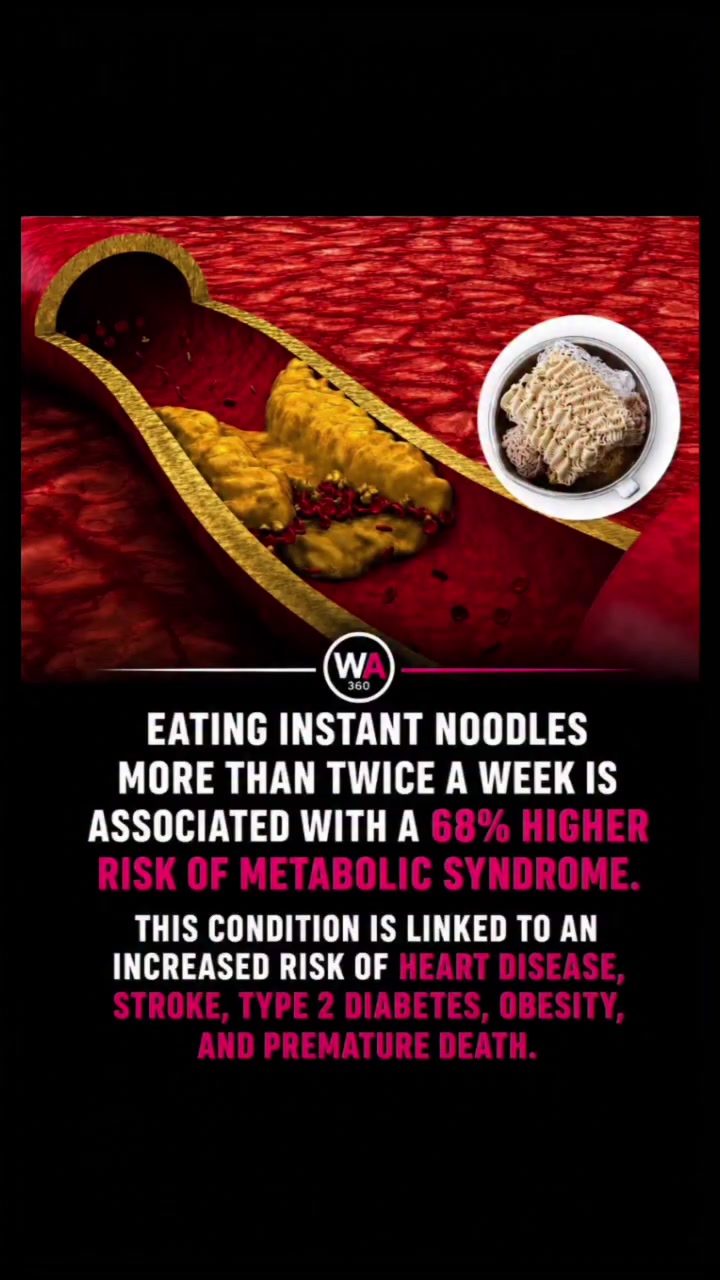
Instant Noodles and Health Risks
Instant noodles are a staple in many households due to their convenience and affordability. However, frequent consumption of instant noodles can pose significant health risks. Understanding these risks is crucial for making informed dietary choices.
Why This Matters
When it comes to health, the foods we regularly consume have a substantial impact on our overall well-being. Instant noodles, while practical for busy schedules, contain high levels of sodium, preservatives, and unhealthy fats. Regular consumption can lead to a variety of health issues, making it essential to be aware of the potential risks.
Main Discussion
The Risks of Frequent Consumption
Research indicates that eating instant noodles more than twice a week is associated with a 68% higher risk of metabolic syndrome. Metabolic syndrome is a cluster of conditions that includes high blood pressure, elevated blood sugar, excess abdominal fat, and abnormal cholesterol levels. These factors can increase the risk of heart disease, stroke, type 2 diabetes, obesity, and premature death over time.
Key Health Risks
Metabolic Syndrome
Metabolic syndrome, often overlooked, is a significant health concern. It encompasses a range of conditions that collectively heighten the risk of developing more severe health issues. High consumption of instant noodles exacerbates these conditions, making it imperative to understand the signs and symptoms of metabolic syndrome and take preventive measures.
Heart Disease and Stroke
Heart disease and stroke are leading causes of mortality worldwide. Frequent consumption of instant noodles can contribute to these conditions by increasing blood pressure and cholesterol levels. High sodium content in these noodles can lead to hypertension, which is a major risk factor for both heart disease and stroke.
Type 2 Diabetes
Type 2 diabetes is a chronic condition that affects how the body processes blood sugar. Elevated blood sugar levels, a common symptom of metabolic syndrome, can lead to diabetes if left unmanaged. The high carbohydrate content in instant noodles, coupled with their low nutritional value, can contribute to insulin resistance and, eventually, type 2 diabetes.
Practical Tips
While instant noodles can be a convenient option, there are ways to make them healthier and reduce their negative impact on your health. Here are some practical tips:
Add Fresh Vegetables
Adding fresh vegetables to your instant noodles can significantly boost their nutritional value. Vegetables like bell peppers, carrots, and spinach are rich in vitamins, minerals, and fiber. They can make your meal more satisfying and nutritious.
Incorporate Lean Protein
Lean protein sources such as eggs, chicken, or tofu can enhance the protein content of your instant noodles. Protein helps in maintaining muscle mass and keeps you feeling full for longer, reducing the likelihood of overeating.
Reduce Sodium Intake
Instant noodles are notorious for their high sodium content. To mitigate this, consider using less of the seasoning packet that comes with the noodles or using a low-sodium alternative. Adding herbs and spices can also enhance the flavor without the added sodium.
Important Takeaways
Moderation is Key
Instant noodles can be part of a balanced diet if consumed in moderation. Enjoying them occasionally, rather than making them a regular part of your diet, can help reduce the associated health risks.
Focus on Whole Foods
Prioritizing whole foods such as fruits, vegetables, whole grains, and lean proteins is essential for long-term health. These foods are rich in nutrients and fiber, which promote overall well-being and help manage chronic conditions.
Stay Active
Physical activity complements a healthy diet. Regular exercise can help manage weight, improve cardiovascular health, and reduce the risk of developing chronic diseases. Incorporating a mix of aerobic and strength training exercises into your routine can yield significant benefits.
Conclusion
Instant noodles offer a quick and affordable meal option, but frequent consumption can have serious health implications. Understanding the risks associated with high consumption and taking steps to make healthier choices can significantly impact your overall health. By adding fresh vegetables and lean protein, reducing sodium intake, and prioritizing whole foods, you can enjoy instant noodles while minimizing their negative effects. Stay active, eat smart, and prioritize a balanced diet for long-term well-being.
Watch the Reel
Questions readers ask
How often is it safe to eat instant noodles?
It is generally safe to eat instant noodles occasionally, but consuming them more than twice a week can pose health risks. Limiting intake to once a week or less can help mitigate potential health issues.
What are the main health risks associated with frequent instant noodle consumption?
Frequent consumption of instant noodles can increase the risk of metabolic syndrome, heart disease, and stroke. This is primarily due to the high sodium, preservatives, and unhealthy fats in these products.
How do instant noodles contribute to heart disease?
Instant noodles are high in sodium and unhealthy fats, which can contribute to high blood pressure and elevated cholesterol levels. Both of these factors are significant contributors to heart disease.
Can instant noodles affect blood pressure?
Yes, the high sodium content in instant noodles can lead to increased blood pressure. This is particularly concerning for those who already have hypertension or are at risk of developing it.
What steps can be taken to reduce the health risks of instant noodles?
To reduce the health risks, consider eating instant noodles only as an occasional treat. Balance them with healthier meals that are rich in vegetables, lean proteins, and whole grains. Additionally, look for lower-sodium and lower-fat alternatives when possible.
What are some healthier alternatives to instant noodles?
Instead of instant noodles, opt for whole grain pasta, brown rice, quinoa, or whole wheat noodles. You can also explore healthier soup options like vegetable or chicken broth-based soups with added vegetables and lean proteins.
How do the preservatives in instant noodles impact health?
Preservatives in instant noodles can negatively impact overall health by contributing to inflammation and other health issues. Over time, this can increase the risks of developing chronic diseases, so it's best to limit intake of these processed foods.
Related deep dives
Similar reads based on topic and creator.

Recent articles
Fresh deep dives from the latest Reels we unpacked.




Comments
Be the first to comment.