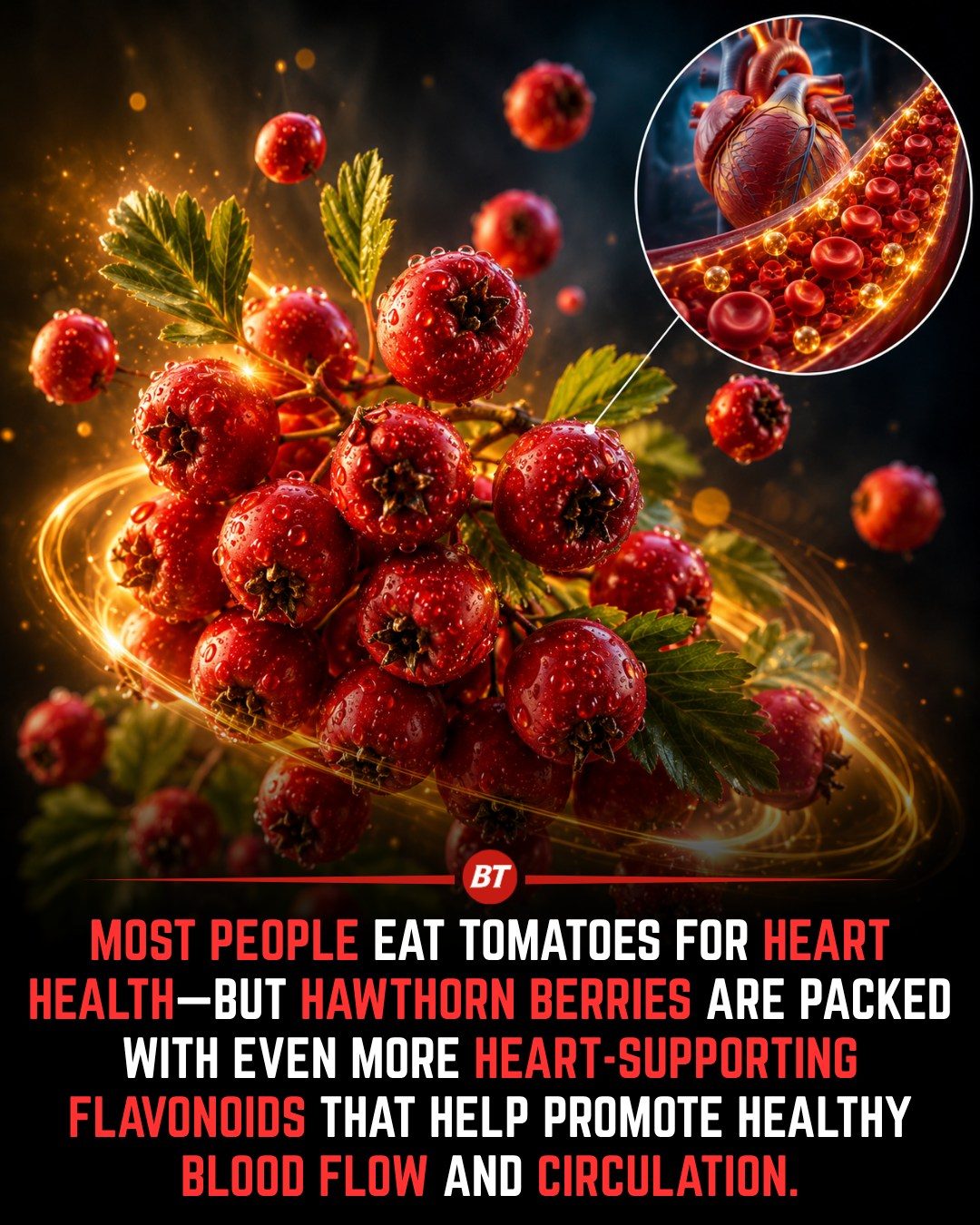
Hawthorn Berries for Heart Health
Hawthorn berries are a traditional remedy for heart health, often overlooked in favor of more well-known foods like tomatoes. While tomatoes are celebrated for their heart-supporting qualities, hawthorn berries have been used for centuries as a heart tonic and are among the most researched plants for cardiovascular health.
Context
Heart health is a crucial aspect of overall well-being. Cardiovascular diseases remain a leading cause of mortality worldwide. Naturally, people seek out ways to improve and maintain their heart health, often turning to dietary supplements and traditional remedies to support their cardiovascular system.
Main Discussion
The Power of Hawthorn Berries
Hawthorn berries are rich in oligomeric procyanidins (OPCs) and flavonoids, including vitexin, hyperoside, and rutin. These compounds are powerful antioxidants that help protect blood vessels from oxidative stress and support the normal function of the endothelium, the thin layer of cells lining your arteries.
Benefits Over Tomatoes
While tomatoes are well-known for their lycopene content, hawthorn berries excel in terms of their flavonoid and OPC content. This makes them a superior choice for supporting cardiovascular health. Flavonoids in hawthorn berries are particularly effective in promoting healthy blood flow and circulation, which is vital for overall heart health.
Clinical Studies and Research
Clinical studies have shown that standardized hawthorn extract can significantly improve blood flow, exercise tolerance, and symptoms of mild heart failure. This is achieved by promoting the production of nitric oxide, which relaxes blood vessels, and improving the heart's pumping efficiency. Several randomized controlled trials and meta-analyses have also reported improvements in fatigue, shortness of breath, and quality of life in patients with chronic heart failure when hawthorn is used alongside conventional medical treatment.
Traditional Use
Hawthorn berries have a long history of use in traditional European herbal medicine. They are commonly consumed as a tea, tincture, or standardized extract. This traditional wisdom has been supported by modern research, making hawthorn berries a valuable addition to any heart-health regimen.
Practical Tips
How to Incorporate Hawthorn Berries into Your Diet
While hawthorn berries can be consumed fresh, they are most commonly found in the form of tea, tincture, or standardized extract. These forms are more convenient and allow for more precise dosing. Here are a few ways to incorporate hawthorn berries into your routine:
- Tea: Brew hawthorn berry tea and enjoy it as a soothing beverage. You can find hawthorn berry tea bags or loose-leaf tea in many health food stores.
- Tincture: Add hawthorn berry tincture to your favorite drinks or take it directly. Tinctures are a concentrated form of the berries, making them a potent source of flavonoids and OPCs.
- Standardized Extract: Take hawthorn berry extract capsules as directed. These supplements are standardized to contain a specific amount of active compounds, ensuring consistency and effectiveness.
Precautions
While hawthorn berries are generally safe, they may interact with medications for blood pressure or heart disease. Always consult your healthcare provider before incorporating hawthorn berries into your regimen, especially if you are on any medications or have a pre-existing health condition.
Important Takeaways
- Hawthorn berries are a powerful natural remedy for supporting heart health.
- They are rich in flavonoids and OPCs, which promote healthy blood flow and circulation.
- Clinical studies support the use of hawthorn berries for improving cardiovascular health.
- Hawthorn berries can be consumed as tea, tincture, or standardized extract.
- Always consult a healthcare provider before using hawthorn berries, especially if you are on medications.
Conclusion
Hawthorn berries offer a natural and effective way to support heart health. With their rich content of flavonoids and OPCs, they provide numerous benefits that can complement conventional medical treatments. By incorporating hawthorn berries into your diet, you can take proactive steps towards maintaining a healthy heart and overall well-being.
Watch the Reel
Related deep dives
Similar reads based on topic and creator.




Recent articles
Fresh deep dives from the latest Reels we unpacked.




Comments
Be the first to comment.