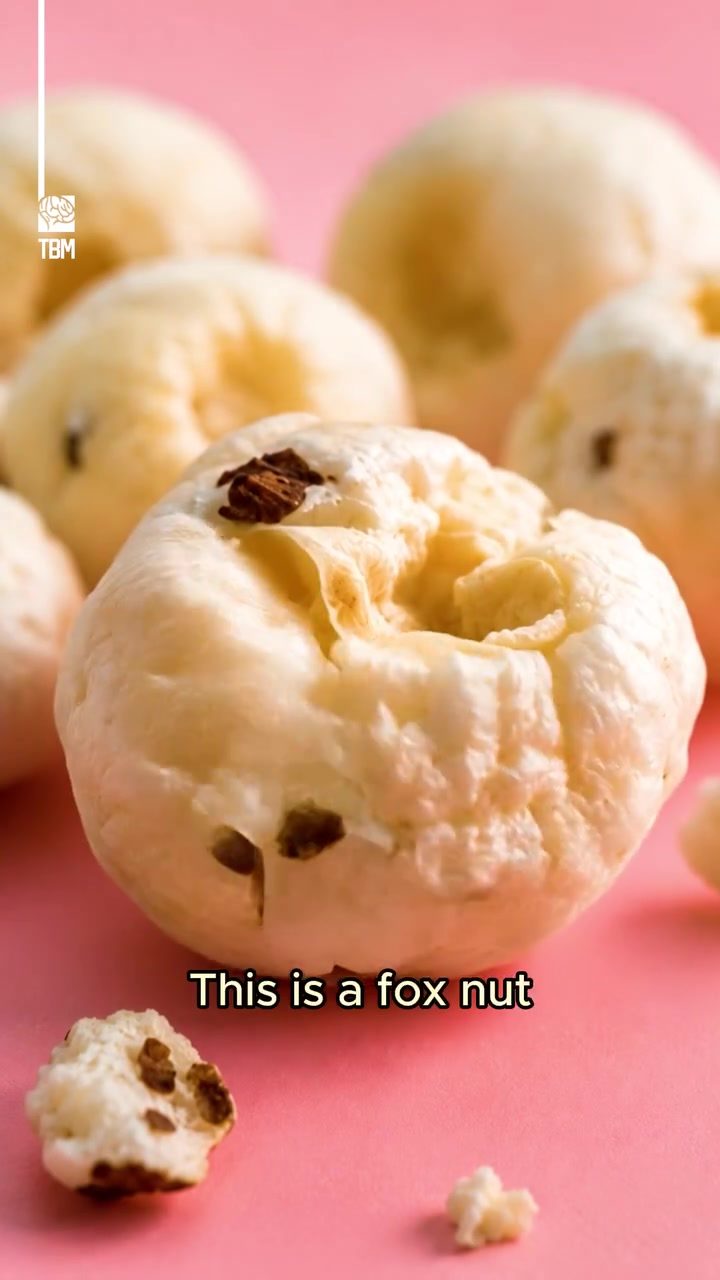
The Makhana: South Asia's Prized Nut
The makhana, also known as fox nut or foxnut, is a treasured snack in South Asia. Grown from the spiny aquatic plant Euryale ferox, these nuts are harvested by hand from muddy ponds. The process is meticulous and physically demanding, but the result is a light, nutritious snack enjoyed for centuries.
Why It Matters
The makhana is more than just a tasty snack; it's a cultural icon that reflects the hard work and tradition of South Asian farmers. The process of harvesting, washing, roasting, and popping these nuts is a testament to the region's agricultural heritage and the resilience of its people.
The Harvest: A Labor of Love
Farmers harvest makhana by wading through muddy ponds, searching for seeds buried beneath sediment. The Euryale ferox plant, which produces the makhana, has large, thorn-covered leaves that protect the seeds. These leaves make the harvesting process slow and physically demanding. Farmers often spend hours beneath the water's surface, carefully extracting the seeds by hand.
Once collected, the seeds are washed, dried, and roasted. This process results in a light, crunchy snack that is both delicious and nutritious.
This nighly process has been refined over the years. Farmers walk through muddy ponds, using their hands to search for the seeds hidden beneath the sediment. The plant, Euryale ferox, is well-protected with leaves covered in sharp spines. This natural defense makes the harvesting process laborious and slow. The farmers must be careful and patient to collect the seeds without harming the plant.
The harvested seeds undergo a transformation process. They are washed to remove any dirt or debris, then dried to remove excess moisture. The final step involves roasting the seeds, which brings out their unique flavor and texture. This traditional method ensures that the final product is both delicious and nutritious.
The Nutritional Powerhouse
Makhana is a nutritional powerhouse, rich in protein, fiber, and antioxidants. These nuts are an excellent source of plant-based protein, making them a popular choice for vegetarians and vegans. The high fiber content aids in digestion and helps maintain a healthy gut. Additionally, the antioxidants in makhana help combat free radicals, supporting overall health and well-being.
From Pond to Plate
The transformation of makhana from raw seed to a roasted snack is a fascinating journey. Farmers take the seeds from the ponds and wash them thoroughly to remove any sediment. Then, they dry the seeds to remove moisture, ensuring that they are ready for roasting. During the roasting process, the seeds are heated to a specific temperature to bring out their unique flavor and texture.
Once roasted, the makhana are ready to be enjoyed. They can be eaten as a snack on their own or used as an ingredient in various dishes. Their light, crunchy texture and mild flavor make them a versatile addition to any meal.
Practical Tips for Cooking with Makhana
Using makhana in your cooking is easy. Here are some practical tips:
- Snacking: Enjoy makhana as a healthy snack. You can eat them plain or season them with your favorite spices for added flavor.
- Salads: Add roasted makhana to your salads for a crunchy texture and nutritional boost. They pair well with leafy greens, vegetables, and your favorite dressing.
- Baking: Use makhana as a topping for muffins, bread, or other baked goods. They add a satisfying crunch and a nutty flavor.
- Soups and Stews: Add makhana to your soups and stews for extra protein and fiber. They are a great addition to vegetable-based soups.
Important Takeaways
Makhana is more than just a snack; it’s a symbol of tradition, hard work, and the rich agricultural heritage of South Asia. The harvesting process, while challenging, results in a highly nutritious and delicious snack. Whether enjoyed as a snack, added to a salad, or used in baking, makhana offers a variety of flavors and textures. These nuts are a great addition to any diet, providing essential nutrients and supporting overall health and well-being.
Conclusion
Makhana, or fox nut, is a prized snack with a rich history and numerous health benefits. From the muddy ponds of South Asia to your kitchen, these nuts undergo a meticulous process that ensures their quality and nutritional value. Whether you enjoy them as a snack or incorporate them into your meals, makhana is a versatile and delicious addition to any diet.
Watch the Reel
Recent articles
Fresh deep dives from the latest Reels we unpacked.




Comments
Be the first to comment.