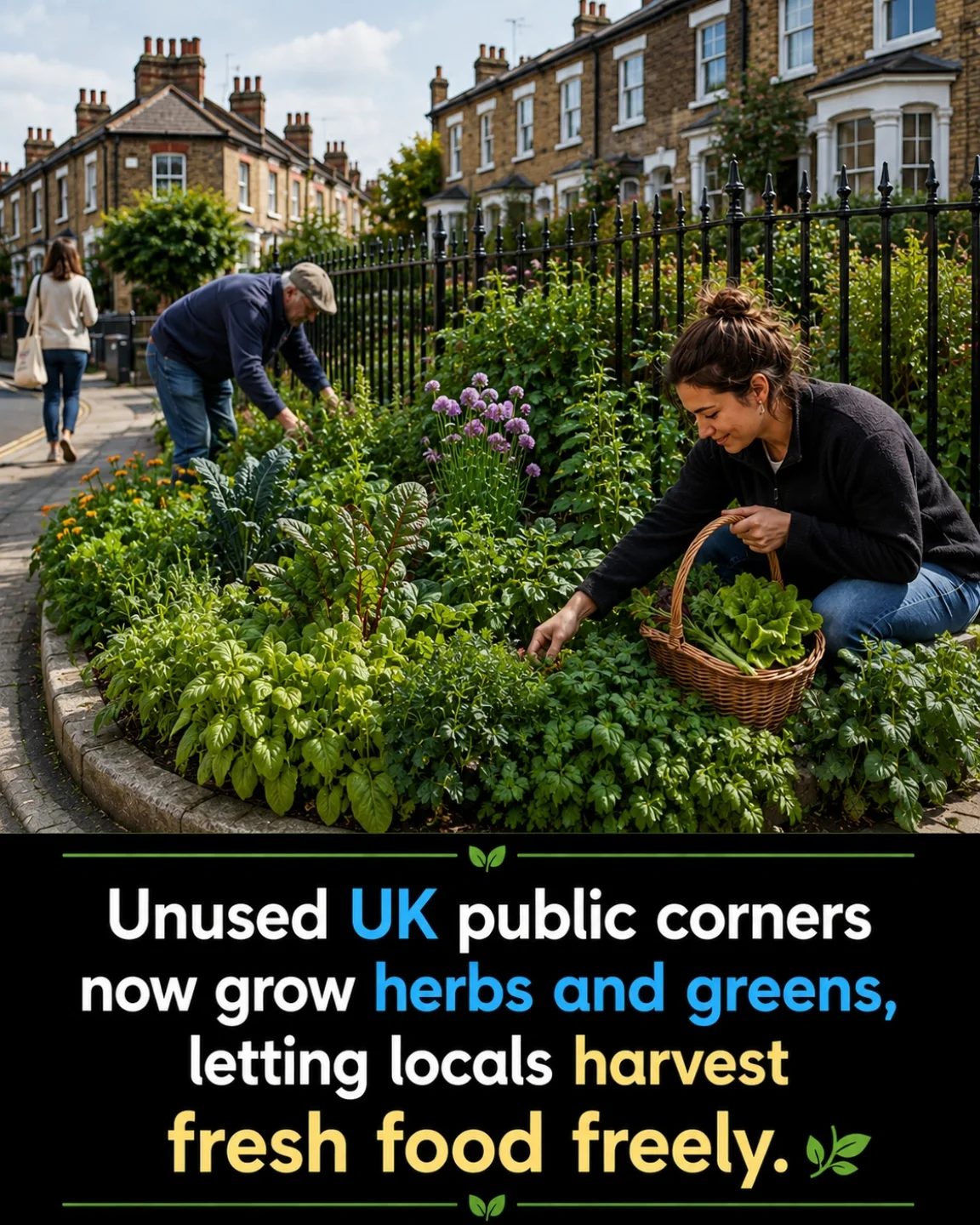
Community Gardens: Cultivating Fresh Food in Urban Spaces
Urban living often comes with trade-offs, one of which is the accessibility of fresh, locally grown produce. Enter community gardens, a growing trend in urban areas that transform unused public spaces into thriving green oases, providing residents with fresh herbs and greens.
Why This Matters
Community gardens are more than just green spaces; they are a vital link between urban residents and the earth. In many urban areas, the availability of fresh produce is limited, and community gardens offer a solution. These gardens not only enhance the local landscape but also promote sustainability, improve food security, and foster a sense of community among residents.
The Rise of Community Gardens
Community gardens have gained significant traction, especially in the UK, where unused public corners are being converted into lush green spaces. The transformation of these public spaces into community gardens is a testament to the growing awareness of the need for fresh, locally sourced food in urban environments. The greenery not only beautifies the area but also provides locals with a steady supply of fresh herbs and greens.
Benefits of Community Gardening
Access to Fresh Produce
One of the primary advantages of community gardens is the access they provide to fresh, organic produce. Many urban residents rely on grocery stores for their food needs, which often means purchasing produce that has been transported over long distances. This can result in food that is less fresh and potentially less nutritious. Community gardens offer a solution by providing locally grown, fresh herbs and greens that can be harvested and consumed immediately.
Community Building
Community gardens serve as more than just a source of fresh produce; they act as a hub for community engagement. These gardens bring together people from different backgrounds, fostering a sense of camaraderie and cooperation among residents. Activities such as planting, tending, and harvesting vegetables can strengthen community bonds, encouraging collaboration and shared purpose.
Environmental Impact
Community gardens contribute to the local environment in numerous ways. They improve air quality, reduce urban heat islands, and promote biodiversity. Green spaces in urban areas also help to mitigate the impacts of climate change by absorbing carbon dioxide and providing habitats for local wildlife. Additionally, gardens can help to conserve water and reduce the energy required for food transportation, making them a sustainable choice for urban living.
Practical Tips for Starting a Community Garden
Starting a community garden can seem daunting, but with the right planning and community support, it can be a rewarding experience. Here are some steps to get you started:
1. Find the Right Location
The first step in starting a community garden is finding a suitable location. Look for unused public spaces such as empty lots, parks, or even rooftops. Ensure that the location has access to sunlight, water, and is easily accessible to potential gardeners.
2. Engage the Community
Building a community garden requires community participation. Engage with local residents, community organizations, and schools to gauge interest and find volunteers. Hold public meetings to discuss the project, solicit ideas, and form a core group of volunteers to help with the planning and implementation.
3. Secure Resources
Community gardens require resources such as seeds, tools, water, and soil. Look for grants, sponsorships, and in-kind donations from local businesses and organizations. Engage with local gardening groups and nurseries to secure the necessary resources.
4. Design and Plan
Design the garden layout based on the types of plants you plan to grow. Consider the space requirements, sunlight needs, and watering systems. Develop a planting schedule and ensure that the garden is accessible to all community members.
5. Plant and Tend
Once the garden is set up, begin planting. Encourage community members to actively participate in the maintenance of the garden. Regular tending, watering, and harvesting will ensure a bountiful yield of herbs and greens.
Important Takeaways
Community gardens are a valuable resource for urban residents, providing access to fresh, locally grown produce, fostering community engagement, and promoting environmental sustainability. By transforming unused public spaces into lush green oases, community gardens can significantly enhance the quality of life in urban areas. Starting a community garden requires planning, community engagement, and resource management, but the benefits are well worth the effort.
Conclusion
Community gardens are a testament to the power of collective effort and the importance of green spaces in urban environments. By providing access to fresh produce, promoting sustainability, and fostering community bonds, these gardens enrich the lives of residents in numerous ways. Whether you are a passionate gardener or simply looking to enjoy fresh, locally grown herbs and greens, community gardens offer a wealth of benefits and opportunities. Embrace the spirit of community gardening and transform your urban space into a thriving green oasis.
Watch the Reel
Questions readers ask
What are community gardens and why are they gaining popularity in the UK?
Community gardens are shared spaces within urban areas where residents can grow fresh herbs and greens together. They are gaining popularity in the UK because they address the need for fresh, locally grown produce, promote sustainability, and transform unused public spaces into green oases that enhance the local landscape.
How do community gardens contribute to sustainability and food security?
Community gardens contribute to sustainability by promoting local food production, reducing food miles, and encouraging environmentally friendly practices. They enhance food security by providing residents with direct access to fresh, nutritious produce, especially in urban areas where access to fresh food may be limited.
What are the benefits of community gardening for urban residents?
Community gardening offers numerous benefits, including access to fresh, locally grown herbs and greens, opportunities for social interaction and community building, and a sense of ownership and responsibility towards the local environment. Additionally, gardening can have positive effects on mental and physical health.
How can I find or start a community garden in my area?
To find a community garden in your area, you can search online for local gardening initiatives, ask neighbors, or contact your local council. To start a community garden, you can gather a group of interested residents, find a suitable public space, and work with local authorities to gain permission and support for the project.
What types of plants are typically grown in community gardens in the UK?
Community gardens in the UK typically grow a variety of fresh herbs and greens, including lettuce, spinach, kale, and a range of herbs like basil, parsley, and mint. Some gardens may also grow fruits, vegetables, and flowers, depending on the available space and the preferences of the gardeners.
How do community gardens transform public spaces in urban areas?
Community gardens transform public spaces by converting unused or neglected areas into productive, green oases. This not only improves the visual appeal of the surroundings but also encourages community engagement, reduces crime, and promotes a sense of pride and ownership among residents.
Related deep dives
Similar reads based on topic and creator.




Recent articles
Fresh deep dives from the latest Reels we unpacked.




Comments
Be the first to comment.