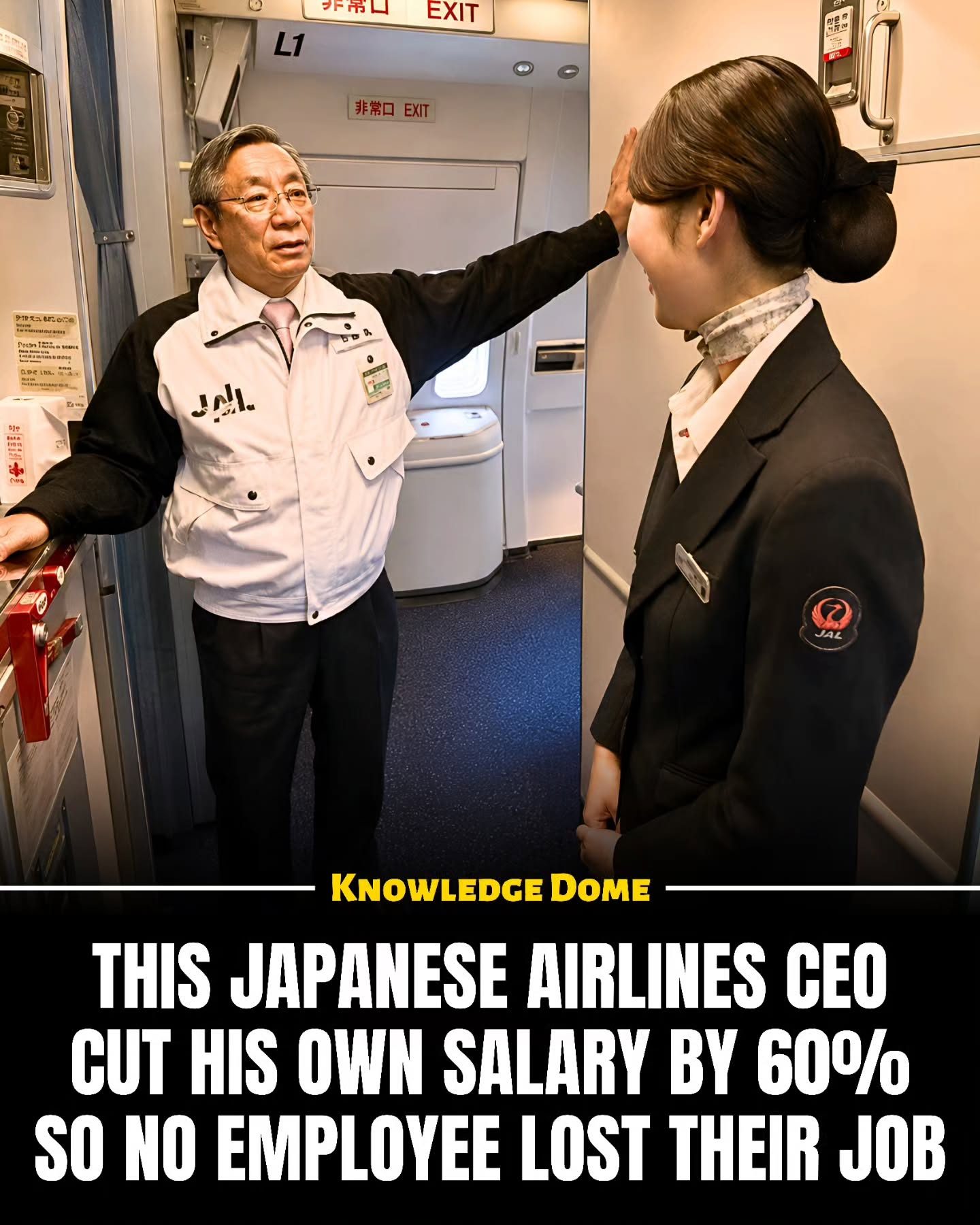
Haruka Nishimatsu and the Leadership Lessons from JAL's Financial Crisis
Haruka Nishimatsu, the former CEO of Japan Airlines (JAL), made a striking choice during the early 2000s when JAL faced a severe financial crisis. Instead of prioritizing his own comfort or privileges, Nishimatsu chose to safeguard the jobs of the company’s employees. His decision to take a massive pay cut and forgo many executive perks offers valuable insights into effective leadership, especially during challenging times.
Why This Matters
Leadership during a crisis can define a company's trajectory. Nishimatsu’s actions at JAL are a testament to how prioritizing employees can lead to both short-term stability and long-term growth. His story underscores the importance of humility, sacrifice, and fairness in corporate leadership.
The Early 2000s Crisis at JAL
JAL, one of Japan’s largest airlines, faced severe financial turmoil in the early 2000s. The company was on the brink of collapse, and many airlines in similar situations might have chosen cost-cutting measures that affected frontline workers. However, Nishimatsu took a different approach. He decided to take a 60% pay cut to ensure that no employees lost their jobs. This decision was not just about the numbers; it was about sending a clear message to the workforce: the company was committed to protecting them, even in the most challenging circumstances.
A Different Kind of Leadership
Nishimatsu’s leadership style was notable for its humility and visibility. During this difficult period, he did not isolate himself in a luxurious office. Instead, he chose to be visible and accessible by removing the door to his office. He also made significant lifestyle changes, such as riding the city bus to work, buying his clothes from discount stores, and eating in the employee cafeteria. These actions weren't just symbolic; they were concrete steps towards bridging the gap between management and frontline workers.
The Impact of Humility and Sacrifice
Employing such transformative leadership strategies had a profound impact on the morale of JAL's employees. When the CEO shows a willingness to sacrifice for the good of the company, it fosters a culture of mutual respect and commitment. Nishimatsu’s humility and fairness did not go unnoticed. His actions helped lift morale inside the company, creating a more cohesive and resilient workforce.
Practical Tips for Leaders Facing Crises
Nishimatsu's experience at JAL offers practical lessons for leaders facing similar crises:
Put Employees First
When a company is in crisis, it's easy to focus on the immediate bottom line. However, Nishimatsu's story shows that prioritizing employee well-being can lead to long-term benefits. By ensuring that no employees lost their jobs, he maintained a stable workforce that could better navigate the crisis.
Lead by Example
Nishimatsu’s lifestyle changes sent a clear message to his employees: everyone was in this together. Whether it was riding the bus to work or eating in the employee cafeteria, his actions demonstrated his commitment to the company’s success.
Be Visible and Approachable
By removing the door to his office, Nishimatsu made himself more accessible to his employees. This openness fostered a culture of transparency and trust, which is crucial during times of uncertainty.
Foster Humility
Leadership is not about entitlement or luxury perks. Nishimatsu’s humility showed that leaders should serve their employees, not act better than them. This approach helped to create a more connected and motivated workforce.
Important Takeaways
Nishimatsu’s story offers several key takeaways for leaders facing crises:
- Employee Well-being is Paramount: Protecting jobs and ensuring employee well-being can lead to a more resilient and motivated workforce.
- Leadership by Example: Actions speak louder than words. Leaders should be willing to make personal sacrifices to demonstrate their commitment.
- Visibility and Accessibility: Being open and accessible can foster a culture of trust and transparency.
- Humility in Leadership: True leadership involves serving others and being willing to make personal sacrifices for the greater good.
Conclusion
Haruka Nishimatsu’s leadership at JAL during its financial crisis serves as a powerful example of how humility, sacrifice, and fairness can transform a company’s trajectory. His decisions not only stabilized the company in the short term but also laid the foundation for long-term success. By prioritizing employees and leading by example, Nishimatsu demonstrated a leadership style that continues to resonate. His story is a reminder that in times of crisis, true leadership often means putting the needs of others before your own.
Watch the Reel
Questions readers ask
Why did Haruka Nishimatsu take a pay cut during the Japan Airlines crisis?
Haruka Nishimatsu took a significant pay cut to ensure that employee jobs were protected during the financial crisis at Japan Airlines. This action was a clear demonstration of his commitment to prioritizing employee welfare over his own financial comfort.
How did Nishimatsu's leadership style differ from typical corporate responses during a crisis?
Nishimatsu's leadership stood out because he chose to lead by example, fostering a culture of humility and accessibility. This involved forgoing executive perks and focusing on employee support, which contrasts with more self-interested approaches seen in many corporate crises.
What impact did Nishimatsu's decisions have on Japan Airlines' employees?
Nishimatsu's decisions to take a pay cut and prioritize employees had a stabilizing effect on the workforce. By safeguarding jobs, he helped maintain morale and loyalty, which were crucial for navigating the company through the crisis.
How did Nishimatsu's actions reflect Japanese business culture?
Nishimatsu's leadership aligned with Japanese business principles that emphasize collective well-being over individual gain. His actions reinforced the importance of humility and sacrifice, values that are deeply rooted in Japanese corporate culture.
What can other leaders in the aerospace industry learn from Nishimatsu's experience at Japan Airlines?
Nishimatsu's experience highlights the importance of prioritizing employee welfare, even during severe financial difficulties. Leaders can learn that selfless decisions, such as taking pay cuts to support the workforce, can foster loyalty and resilience, which are essential for long-term success.
Recent articles
Fresh deep dives from the latest Reels we unpacked.




Comments
Be the first to comment.